


Manifesto under construction
What Llaqtawasi do we dream about?
Perhaps one of the most beautiful things that have emerged during this process is realizing that Llaqtawasi is already happening. That the House of the People, beyond its physical dimension, is beginning to exist in those encounters, in the conversations, in the knowledge we share, in the relationships we are weaving, in the desire to imagine and put into practice spiritual aspirations, and in the pursuit of cultivating other ways of being and inhabiting the world together.
Within that collective process, one of the images that has been gaining strength is that of a house: a territory of encounter, welcome, and care; a space where we can gather, recognize ourselves, and continue to build community. Now we are in the search for a possible territory that can accommodate this dream. But we know that this search can lead us to different ways of materializing it: perhaps a physical house, perhaps a network of spaces and movements, perhaps something that we still do not know to name.
What follows collects, in the form of a manifesto, some of the ideas, desires, and reflections that emerged from that collective exercise of imagining: what Llaqtawasi do we dream of?
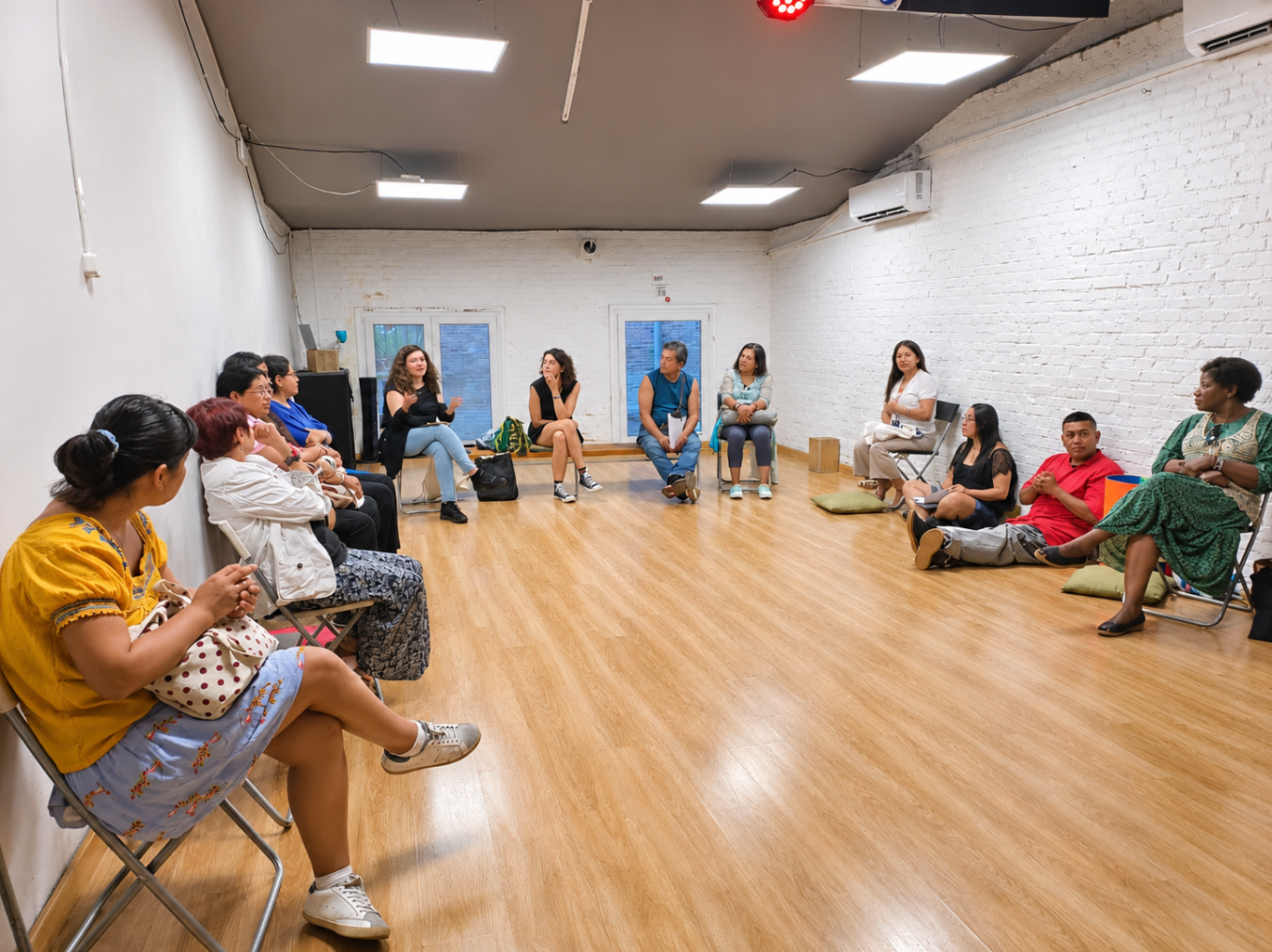
LLAQTAWASI Manifesto
A community space for encounter, care, and learning for racialized, migrant, and diasporic people.
A place to gather and exchange ideas, knowledge and experiences from here and there, while preserving our memories and the actions that build our present, recover our past and imagine our future.
We imagine a space of confluence between human beings and beings-other-than-human, between peoples, territories, and ways of understanding life. A place open to different spiritualities, where we can feel, think, and rewrite our lives in relation to Mother Earth and her cycles.
We dream of a hospital house that is spacious, multicultural and diverse; a material and immaterial space, community-based and intergenerational, where all voices can be heard and where we can learn together through empathy, respect and reciprocity.
We want it to be a welcoming place where we can feel good, share our experiences, and build connections. A space where the care of life, memory, and our relationship with the earth are present in our daily practices.
How do we want this house to be?
We want a house that is open to the sensitivities and needs of the neighborhood, that welcomes the initiatives of neighbors, associations, and collectives. A space to meet, share, and develop cultural, artistic, and community activities. Committed to a respectful coexistence with Mother Earth and all forms of life.
We imagine a space with good lighting, a pleasant temperature, many colors, natural elements, a garden, and symbols of our villages. A house where spaces of rest and encounter can also exist. A gazebo with hammocks that invites us to linger, chat, and share.
We want Llaqtawasi to be a place to exchange knowledge, experiences, and time; to investigate and expand our ideas about the territories we inhabit and from which we come.
A space for the community and art, where spirituality and politics can meet, where we can reflect on the connection between peoples and the land, and where we can imagine and collectively conspire other ways of living.
A place to recover and share practices that help us protect the earth, reuse resources, and create natural fertilizers without chemicals. A home that transforms with the cycles of nature, where we recognize our interdependence and develop everyday practices that put life at the center.
A space where we take responsibility for the waste we generate.
A place to build relationships based on good living, mutual respect, reciprocity, ayni (mutual help), wakena (sharing) and the community practices of our peoples, such as uywaña (mutual care). A brave and caring space.
A place with an antiracist, antifascist, anti-colonial and antipatriarchal perspective, where violence and discrimination have no place, and where no person or collective is marginalized for reasons of inequalities linked to gender, racialization, social class, cultural origin, migratory experiences, or functional, bodily, and sexual diversity.
We want to build a community where freedom of expression is accompanied by listening, understanding, and collective responsibility. A community that advocates for non-punitivism and for addressing conflicts through dialogue, reparations, and care, while never losing sight of protecting people. A home that will endure over time.
What don't we want for Llaqtawasi?
We do not want a colonial, hierarchical, exclusive or mercantilist house, nor one that reproduces the power relations that leave certain people outside the spaces of participation and decision-making.
We do not want a house where memory is lost, where we become dehumanized, or where communities, languages, desires, and imaginaries are erased or disappear.
We do not want care for life and Mother Earth to be left in the background, nor do we want to forget the importance of reciprocity, coexistence, and care.
We do not want Llaqtawasi to be ephemeral or for its idea to fade away over time. That its continuity does not depend solely on a few people, but on participation, shared responsibility and collective commitment.
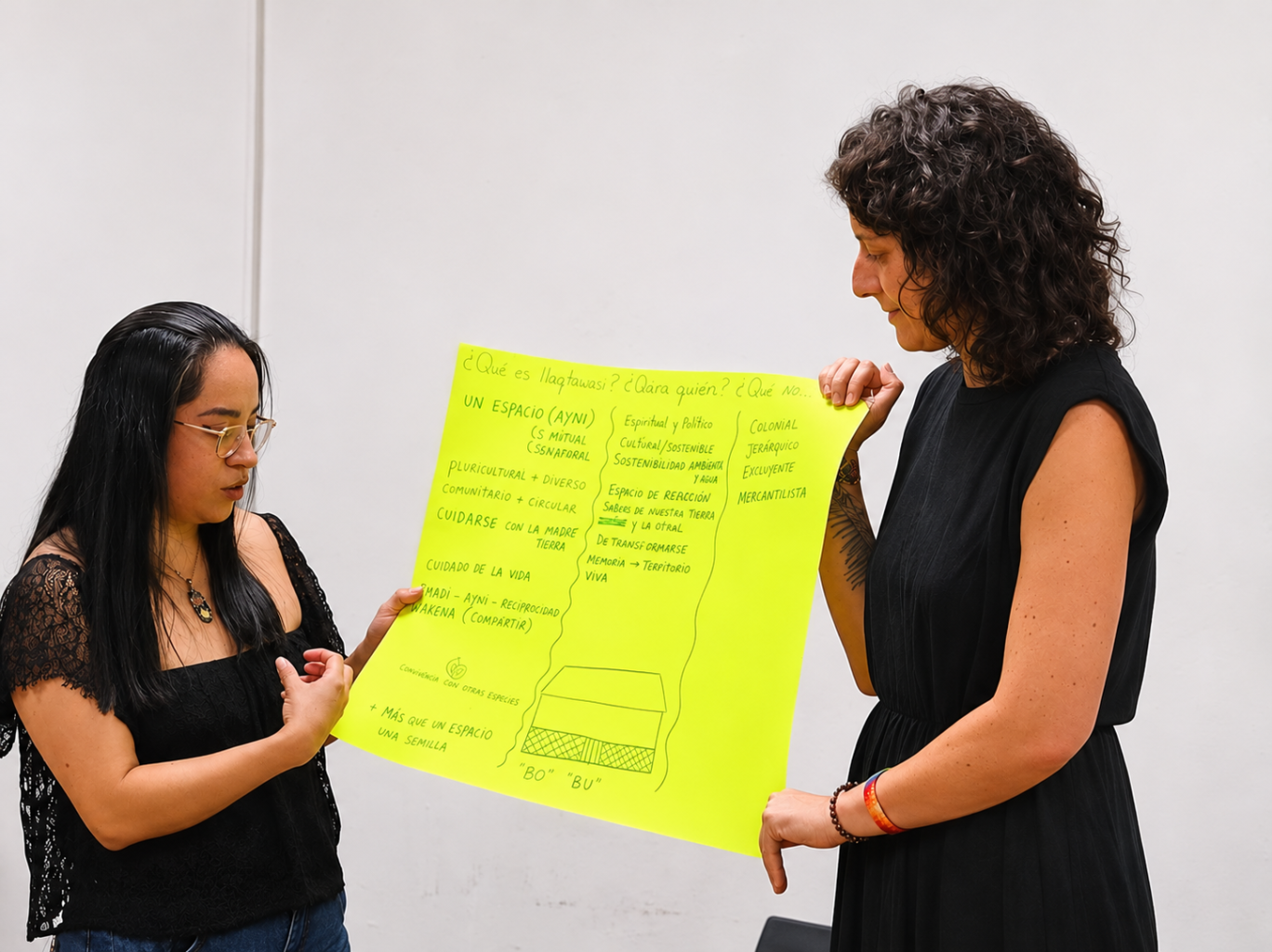
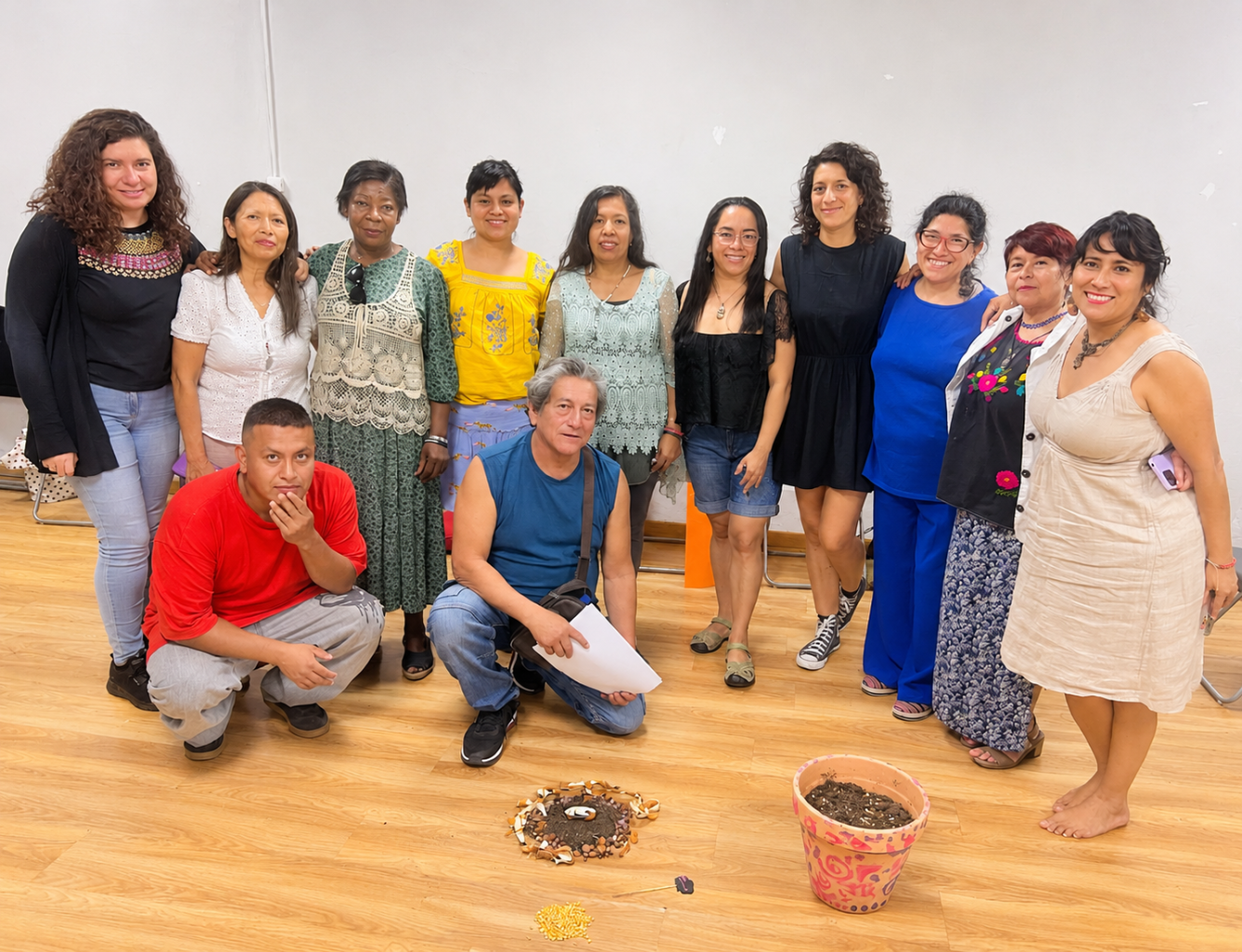
Note: This manifesto gathers ideas, desires, and reflections that emerged from a collective and collaborative encounter within the framework of the Llaqtawasi creation process. It is not a definitive statement and does not purport to represent a closed consensus. It is a living document, open to new contributions, questions, contradictions, and transformations, that will evolve as the project progresses and we continue to imagine and build this home together.



 Concomitentes
