


What is missing
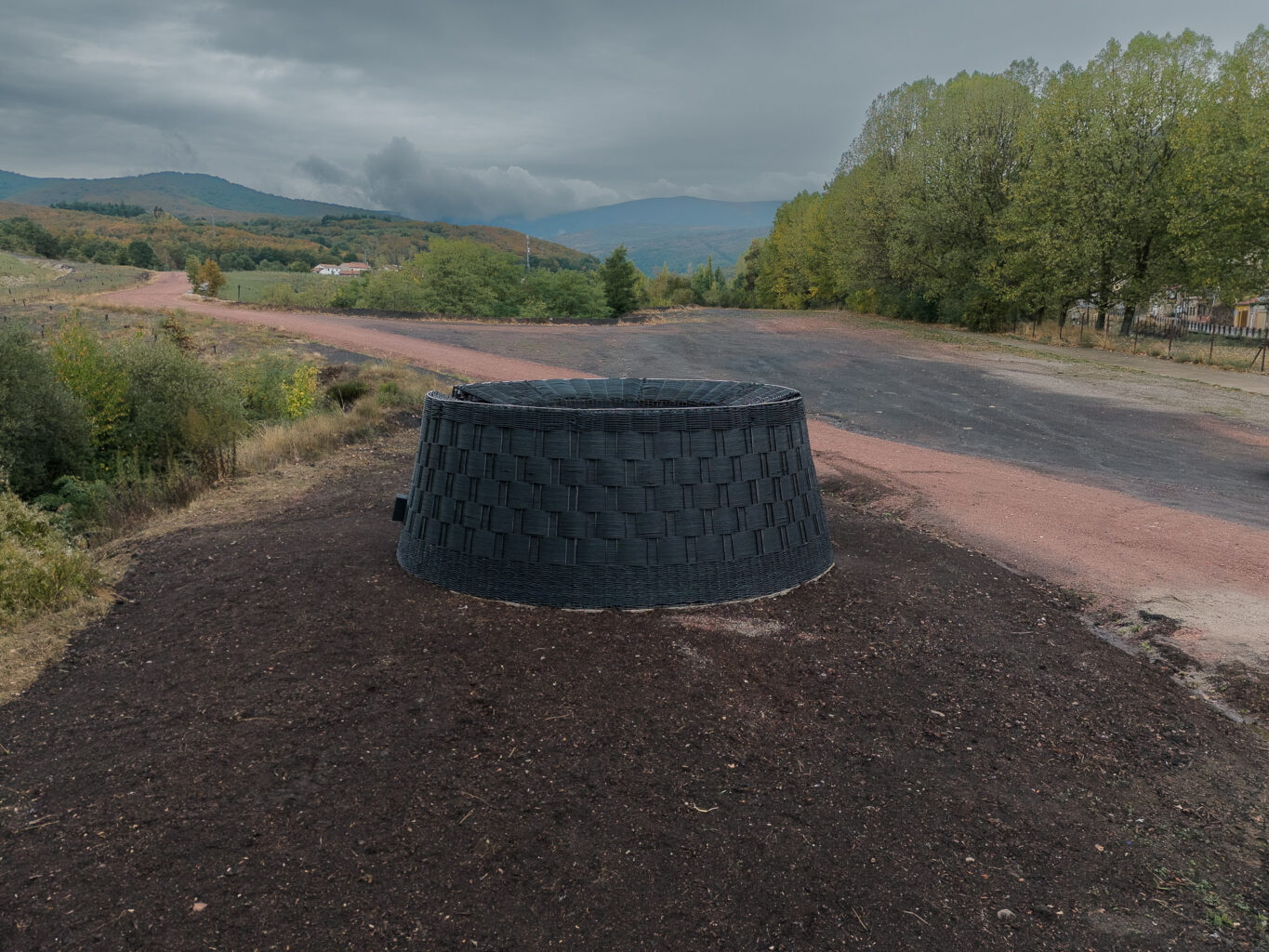 Photo by Burru Comunicación.
Reflections on the construction of narratives after the opening of Cuévana
Constructing a narrative usually means denying another one. In this way, identities are created in which, by definition, someone is left outside the framework.
Walking through Barruelo de Santullán with the comitentes (and I say this in the feminine, because after more than a year and a half of work in the territory, it is they who have taken the reins of this human group), it is evident the identity that has been wanted to be imprinted over the years in the town: the life, the pains, the work and the death of the miner.
The myth of the miner Hombre (with a capital H for Hero) takes up every corner of this town and practically every other place where male labor transformed the territory with the impetus of progress in the 19th and 20th centuries. But beyond that narrative, there are stories led by women, who not only talk about the sustenance and care of these jobs, but also tell us about them and their ways of inhabiting the world based on their political positions, their pleasures, or their own work.
The wound (the sequel) that these women feel needs to be healed in Barruelo de Santullán has to do with this lack. With this void, the images and words of the women continue to be denied as a fundamental part of history and the contemporary construction of the place. Because for them, repairing the land not only consists of re-naturalizing, as has already been done, the trash that existed at the entrance of the village and, in this way, suturing without anesthesia what the company that exploited the land and the institutions did over decades. For this group, repairing the land has to do, among other things, with taking into account, listening to the neighbors and thus beginning to pay attention to them and to this territory that they know, care for, and enjoy. With what is home to all.
Almost from the beginning of “Energéticas Sequelas”, a phrase that Geles, one of the committee members, said during a mediation session has crossed our minds: “More than half of the population is built on the rubble of the mine”. From these words, dynamics have been generated in which, in some way, the construction of the people on the rubble was linked to how they felt about certain narratives and, at the same time, being looked down upon as the rubble, as if they were agents of less importance than others from Barruelo de Santullán.
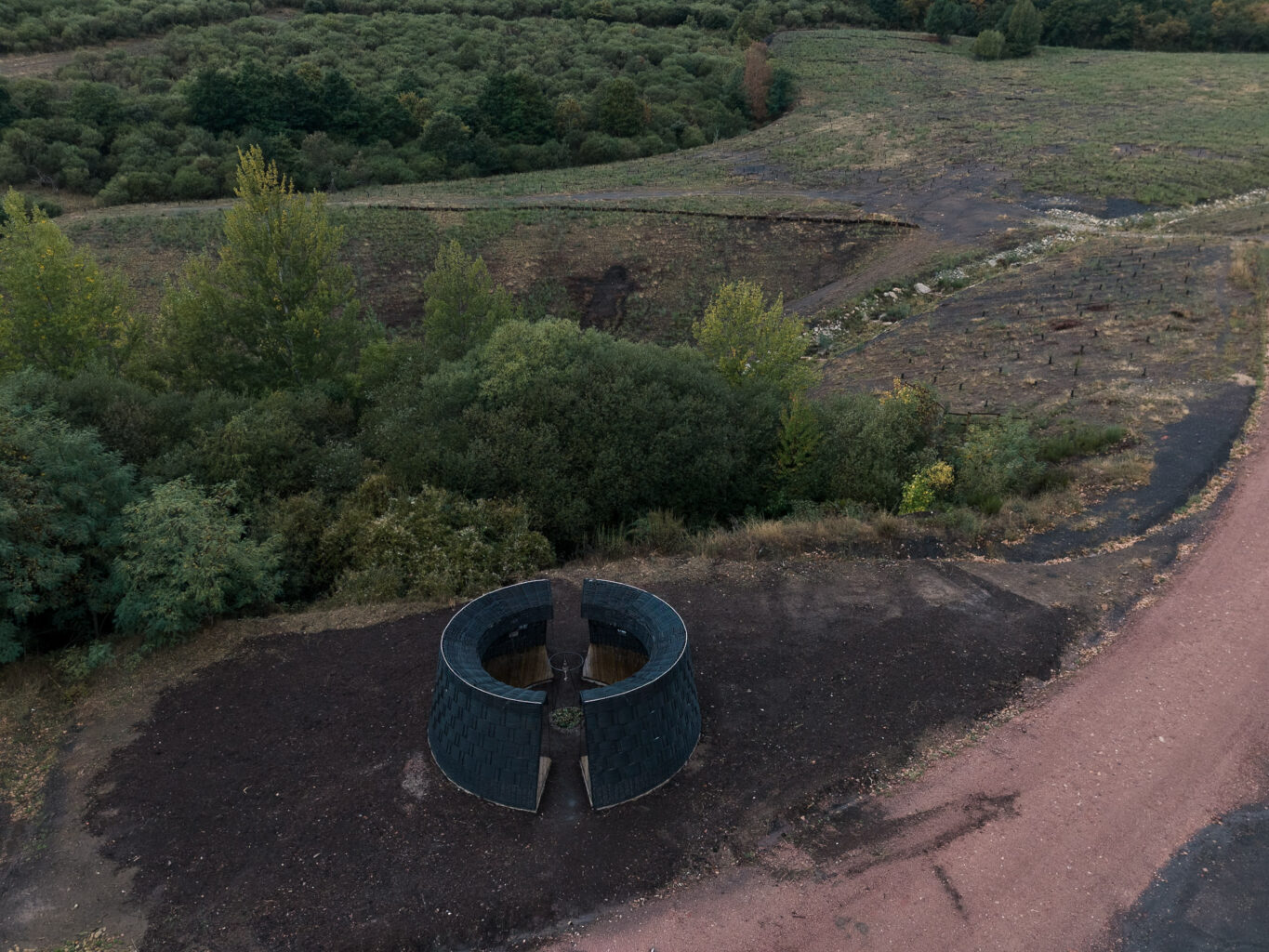
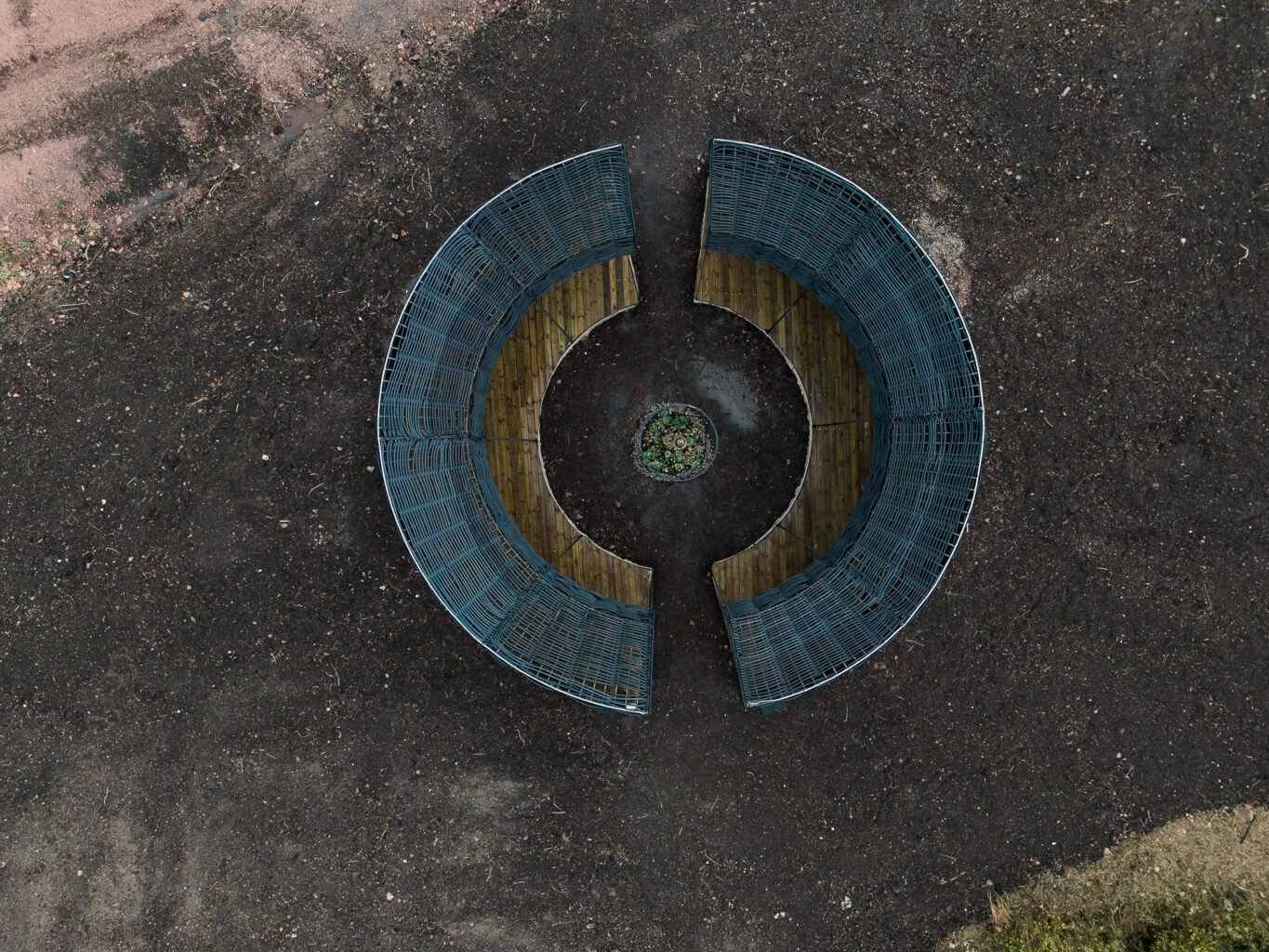
Cuévana, the work of Todo por la Praxis.
When the comitentes (Jo Muñoz and Diego Peris) are called upon to be artists to express their desires, problems and concerns, we bring to the table both what is lacking (as Jorge Oteiza said, a man defines himself by what he lacks) and the mess. Both are understood not as a complaint but as a claim.
With these ideas, Todo por la Praxis began working from a deep listening, not only with the comitentes but with the other neighbors who wanted to participate in this phase. The artists’ idea was to give voice to those who had been denied, starting from the trash to be visible and heard. And from where to continue building community and history.
And to do this, we had to continue getting together. So, from two weeks before the opening, we met in the trash to continue claiming that story. And we did so by weaving conversations within the space that Todo por la Praxis has created. A space that the artists, the committee members, the mediator, and many neighbors from the area have been building/weaving together, and that reminds us of the cuévanos. Those baskets that the neighbors used years ago to collect the charcoal waste from the same trash can where the piece is now located.
Jo Muñoz and Diego Peris (TxP) remembered, on the day of the opening, Ursula K. Le Guin’s book “The Theory of the Bag of Fiction”. And, thinking of that reference, I think the piece they have created, Cuévana, It is a story like that proposed by K. Le Guin: a bag that collects stories that serve to repair, not only the story denied to women, but any of those imposed on these territories that have only been stripped of life.
The day before the inauguration, already nervous about what these public events would bring, Paula (another of the committee members) wrote us a message: “It’s as if the rubble had been rebuilt.” And that has happened both visually, since the piece created by TxP somewhat resembles one of the dunes that existed in the dump before its renaturalization, and metaphorically, because these women who participated have built on the stories of abandonment and catastrophism that contemporary society has imposed on them.
On October 3rd was the inauguration, and a strong water tornado accompanied us as we walked to “Cuévana”. Already soaked to the bone from the water, we soaked in love, emotions, smiles, words, and the wisdom and strength that this group of volunteers exudes.
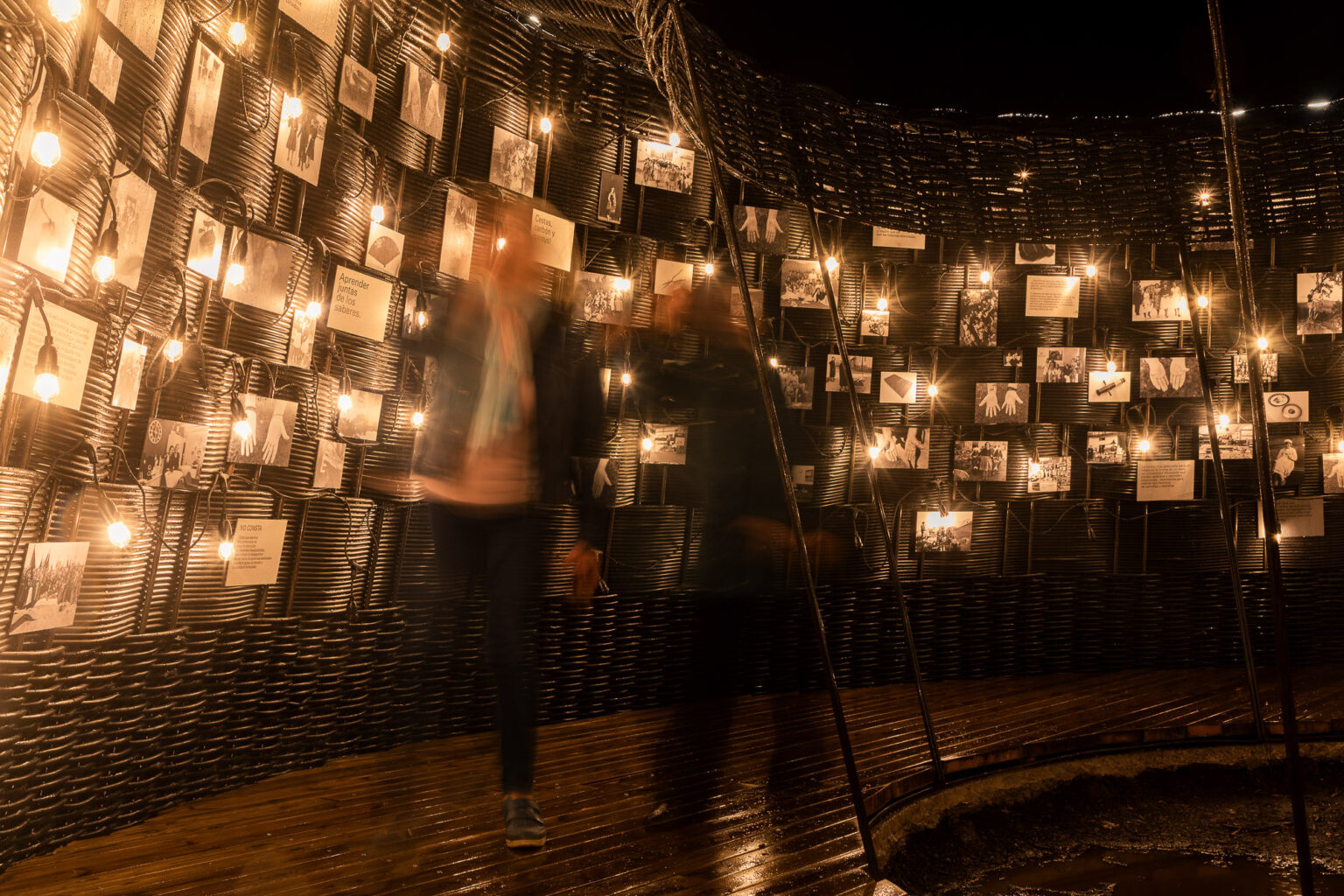
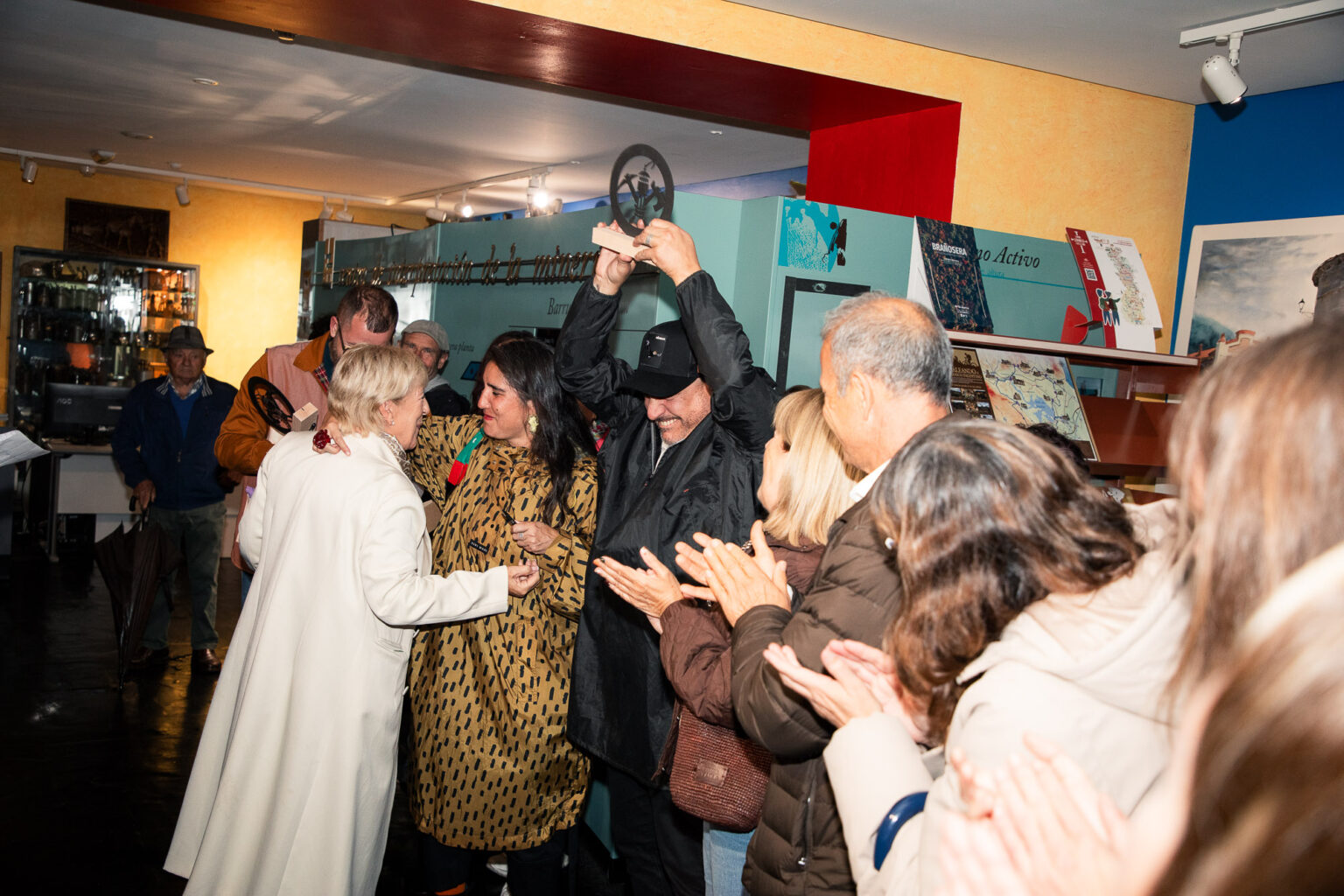
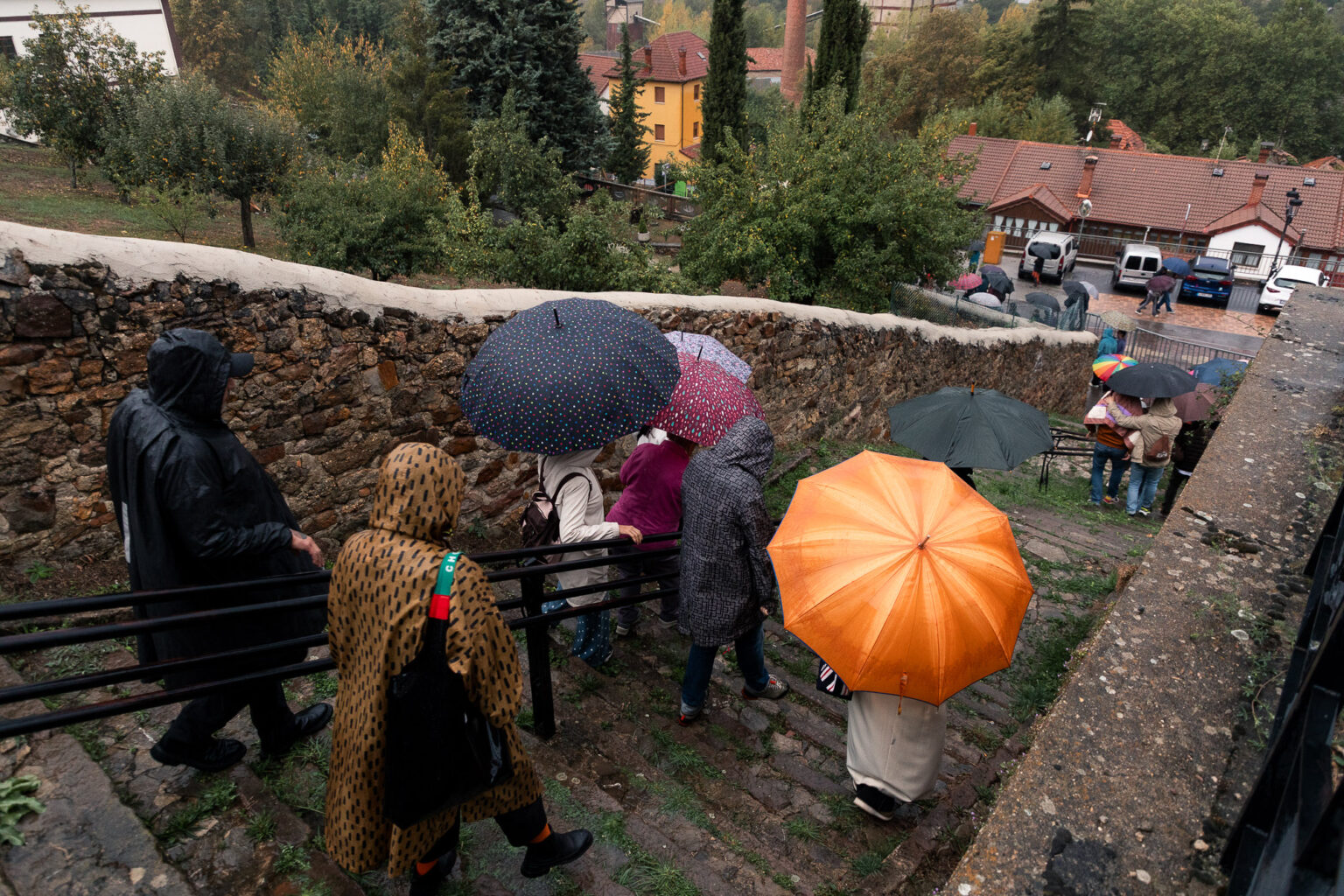
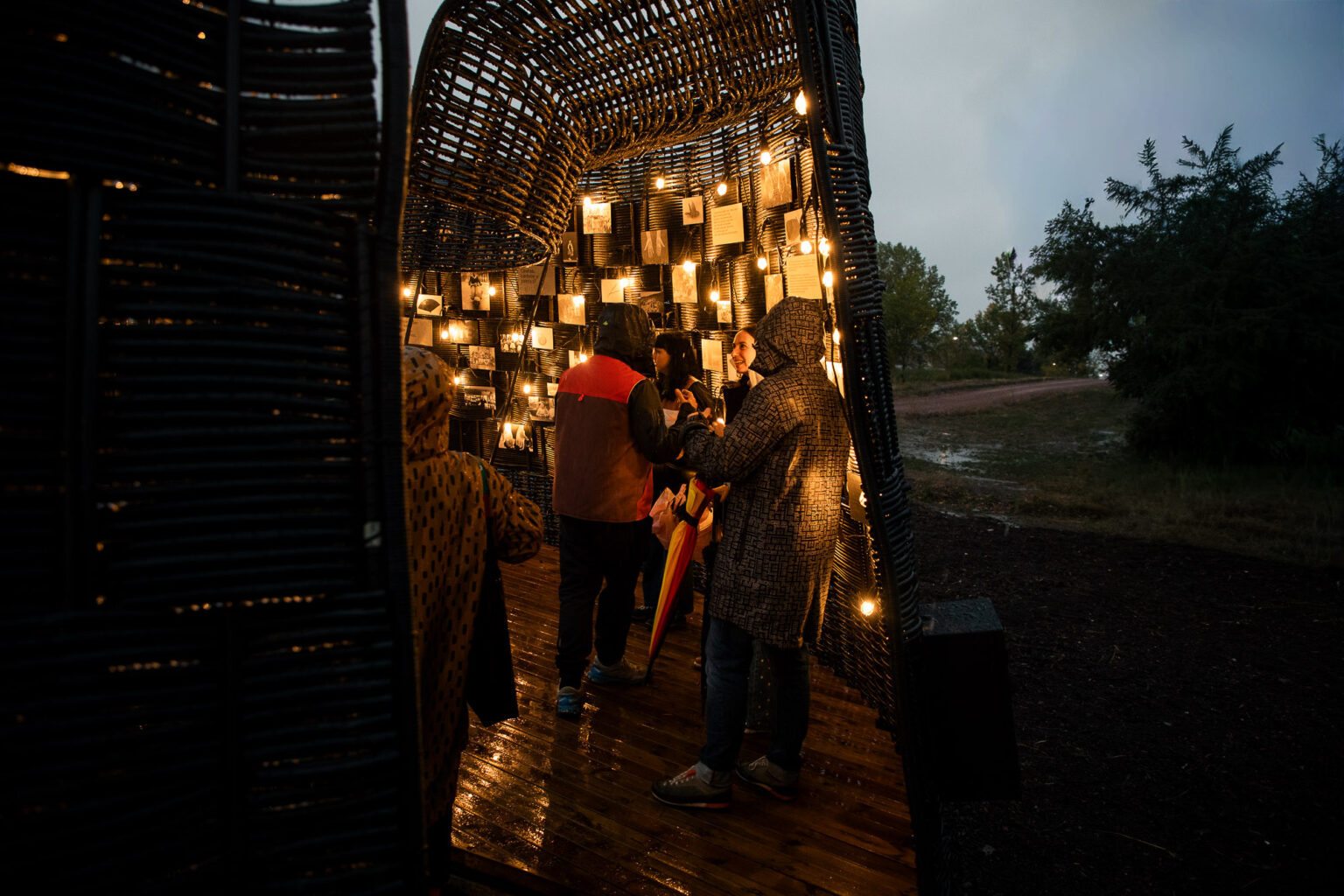
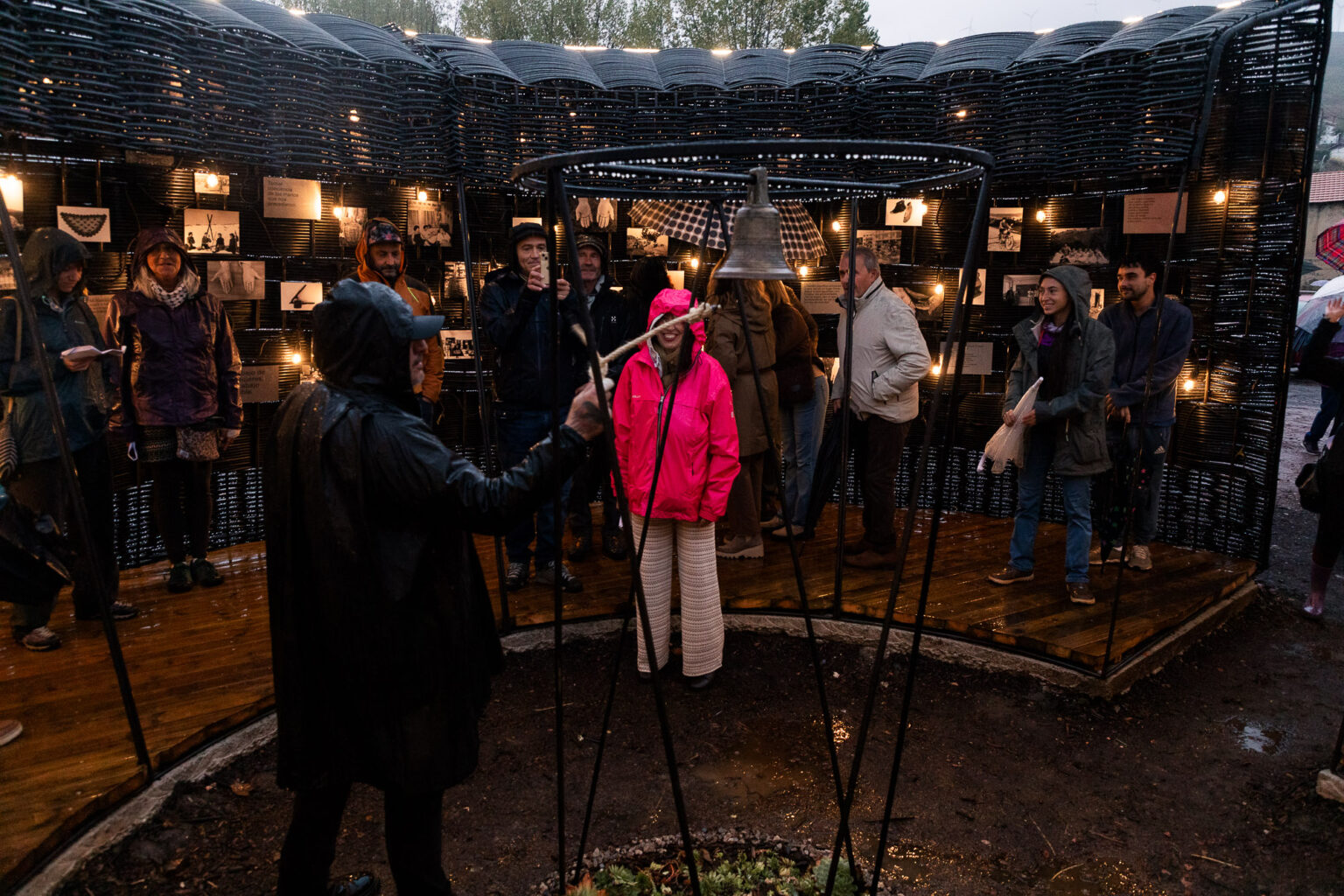
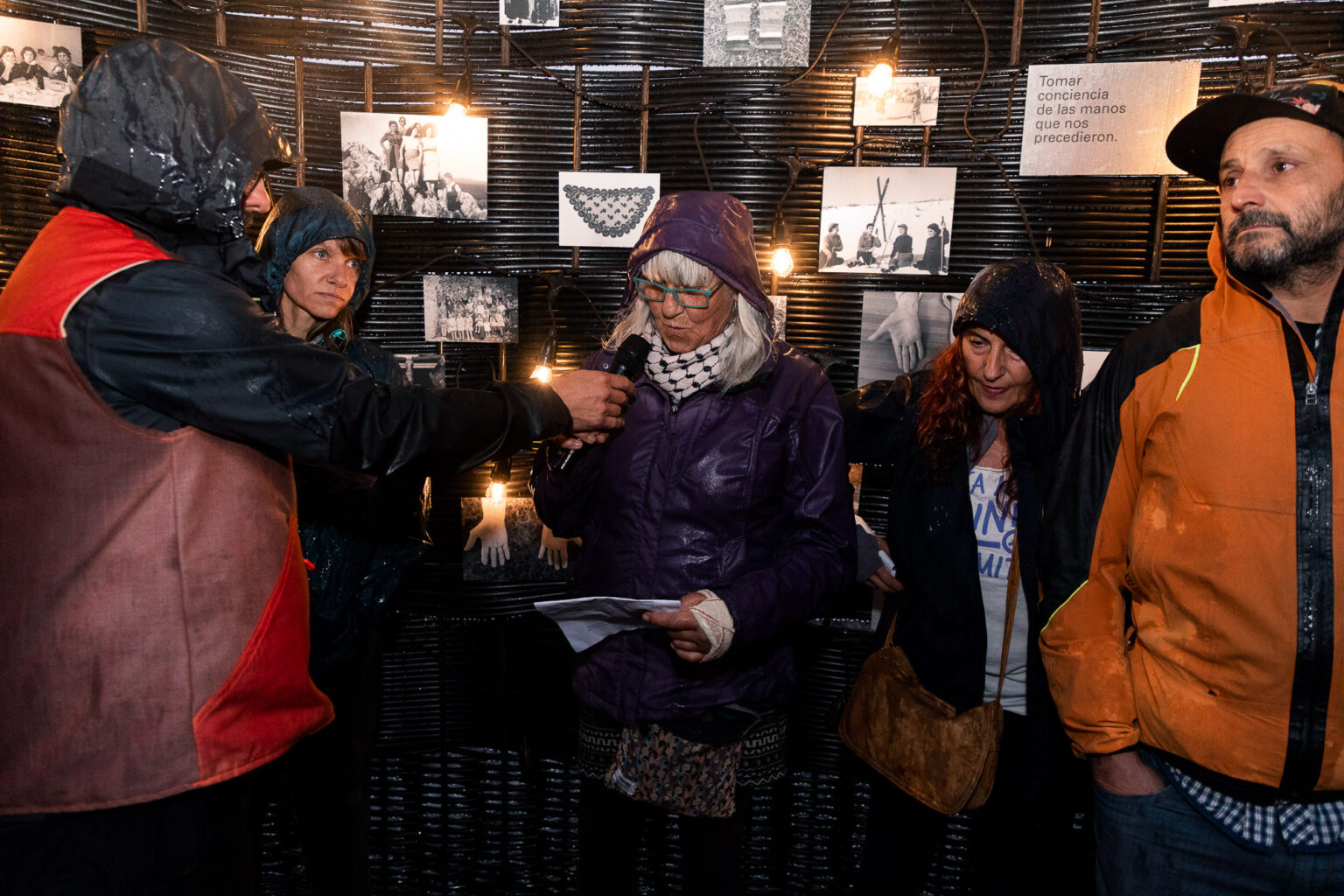
Moments from the inauguration of Cuévana last Saturday, October 3rd.
All photos are from Burru Comunicación.


 Concomitentes