


This is how the Tangled Days went. Desiring Communities
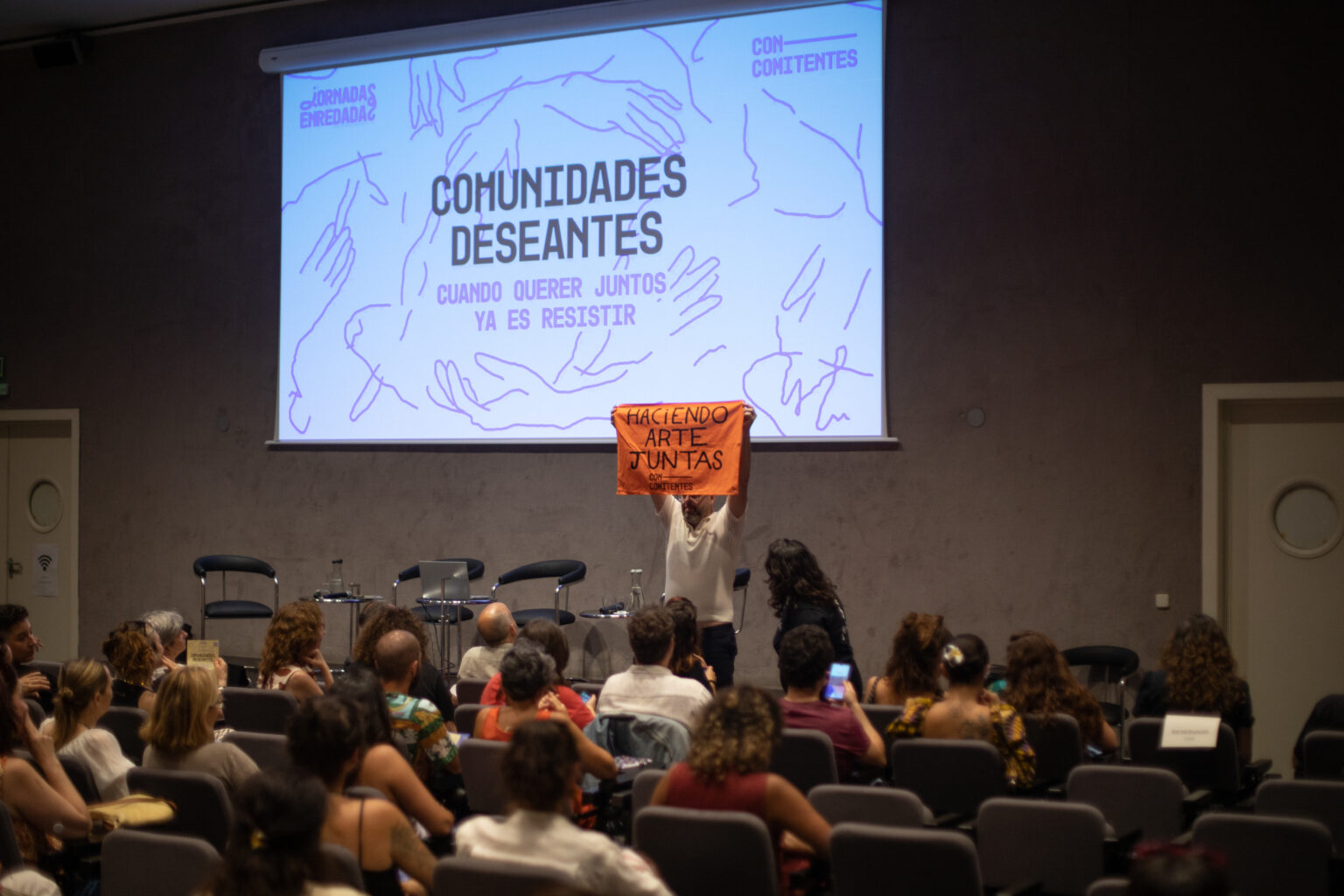 Photos by Julia Reoyo, from Kairós Foto Studio
Two days to think about how shared desire can become a way of organising life and sustaining resistance
Some meetings are for sharing projects, and others manage to alter, for a few days, the way we think, talk, and relate to each other. The second Enredadas Conference, Desiring communities, were one of those occasions.
For two days, we met in Valencia to ask ourselves what it means to desire collectively at a time when desire seems increasingly captured by the logic of productivity, consumption, and individualism. We were interested in thinking about desire not as something intimate or private, but as a political force capable of sustaining communities, opening up futures, and organising resistance.
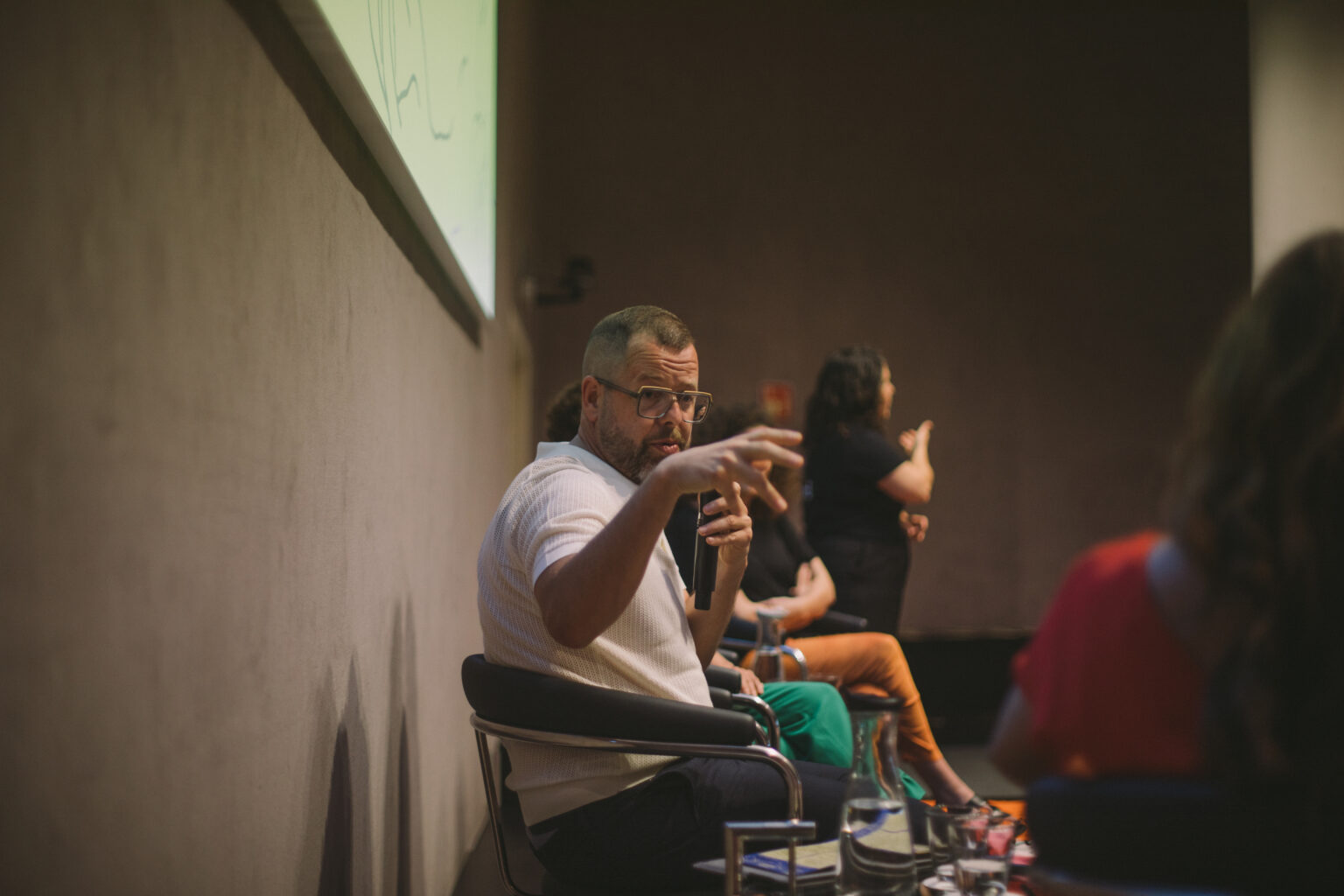
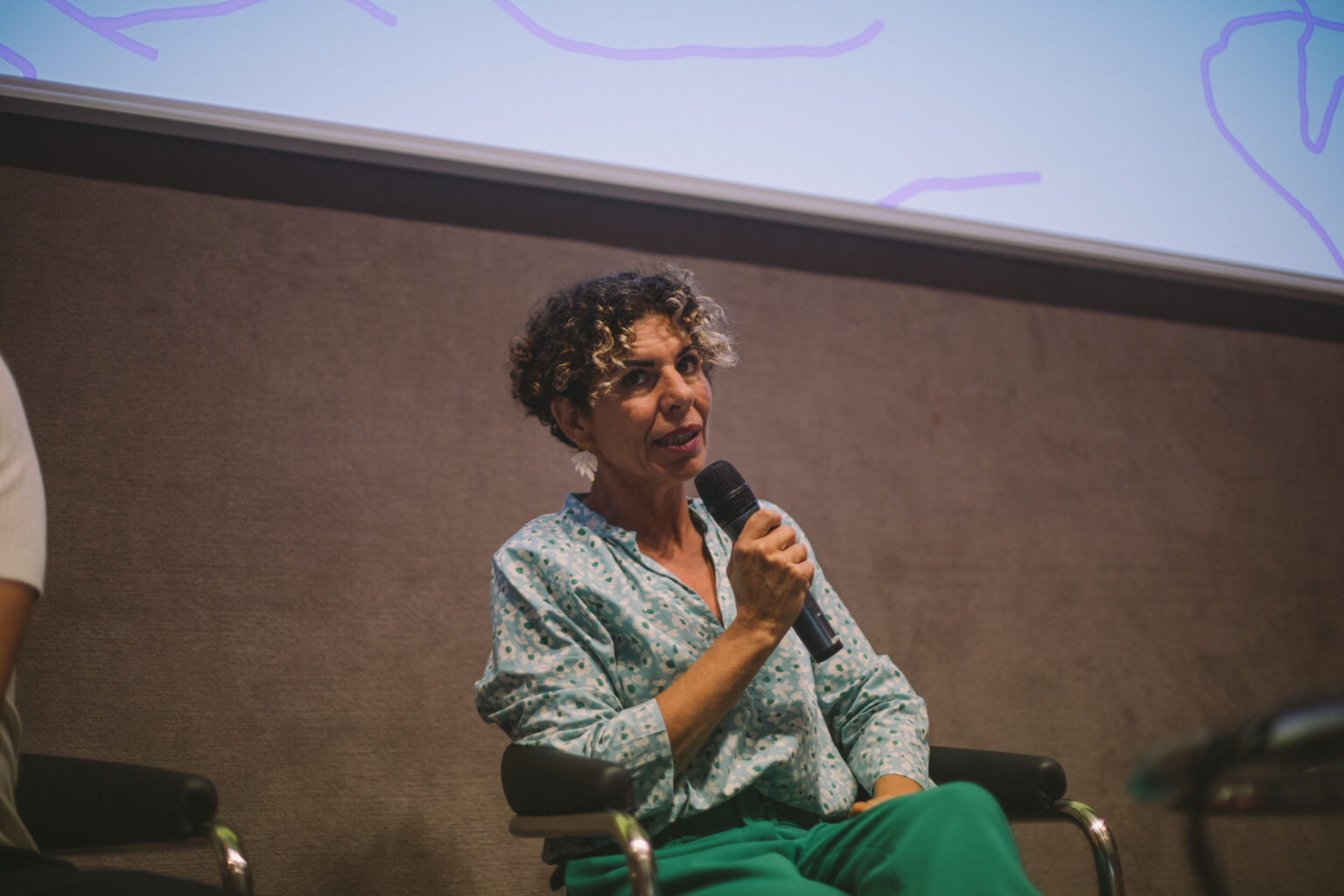
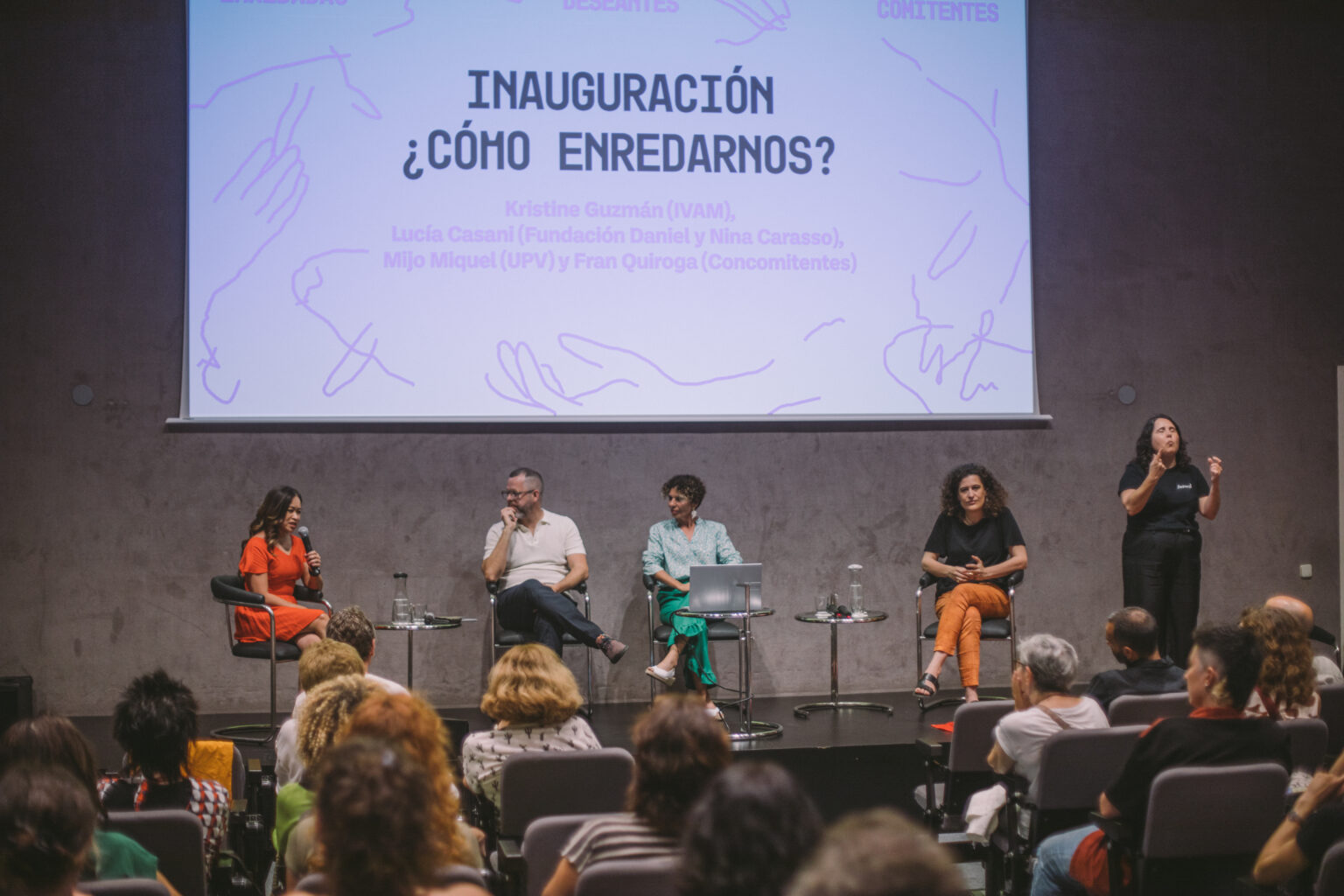
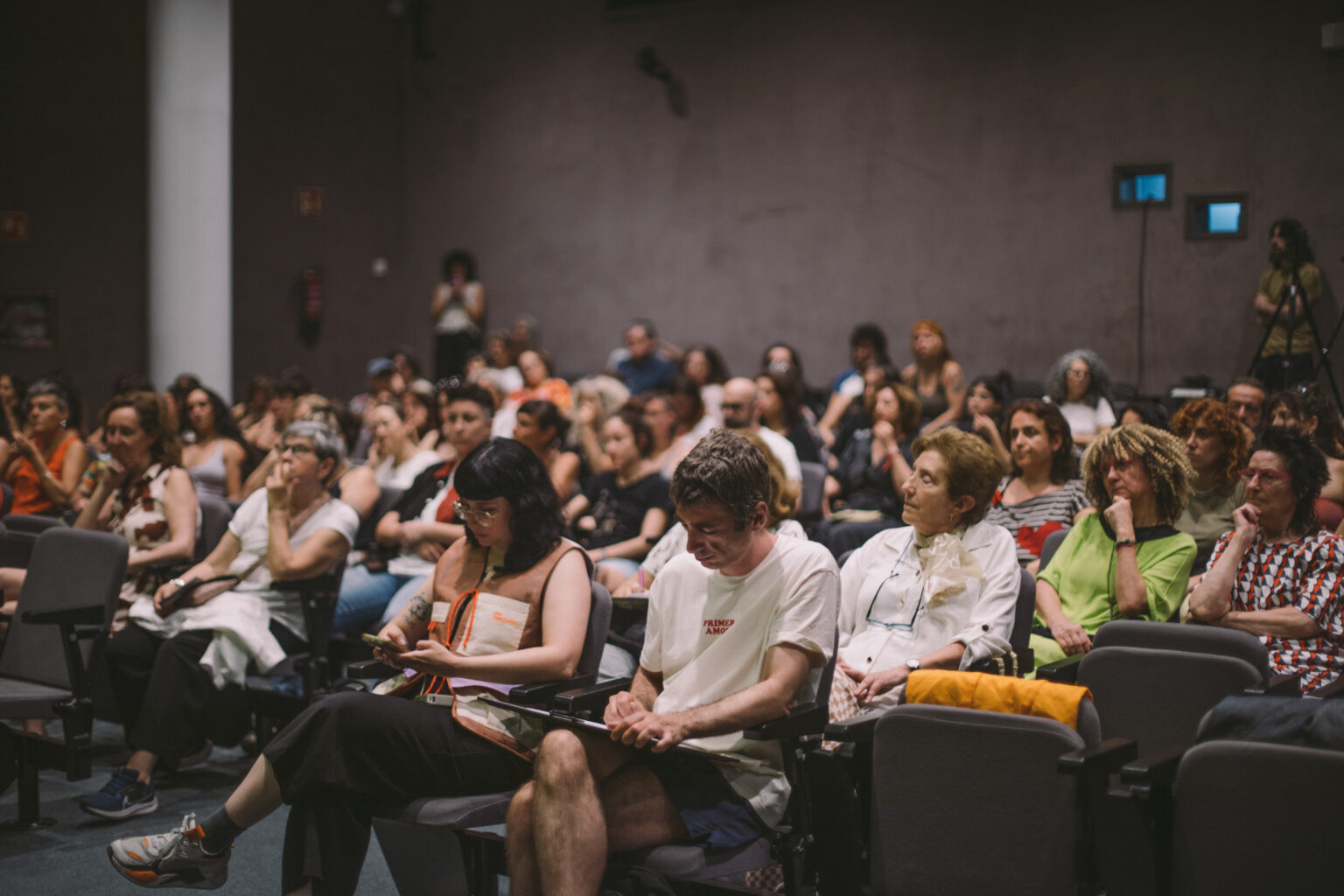
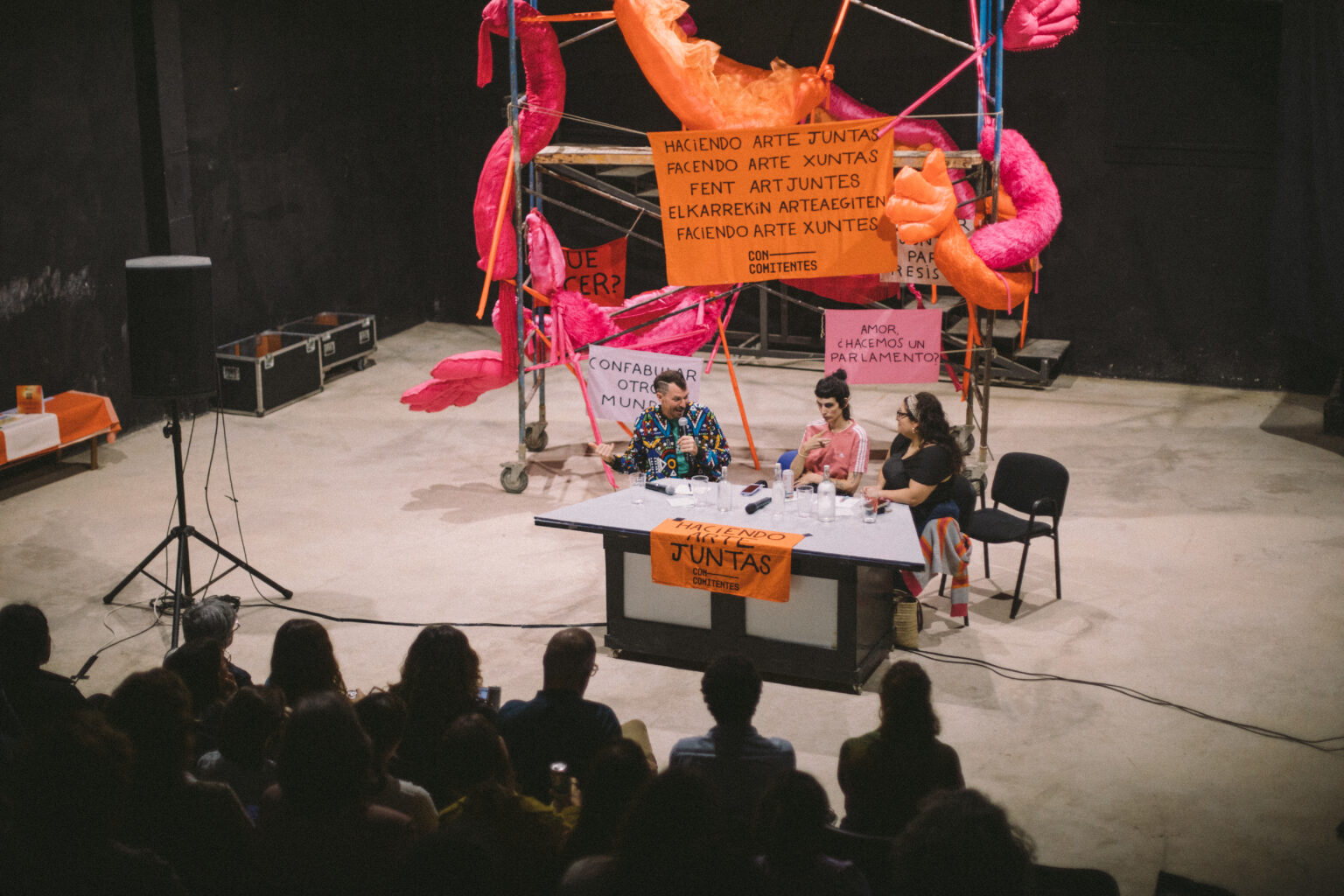
The first day, held in the IVAM, began with a conversation between Fran Quiroga Concomitant, Lucia Casani (Daniel and Nina Carasso Foundation), Mijo Miquel (UPV) and Kristine Guzmán (IVAM) on how to entangle institutions, universities, artists and collectives to build forms of collaboration capable of sustaining themselves over time.
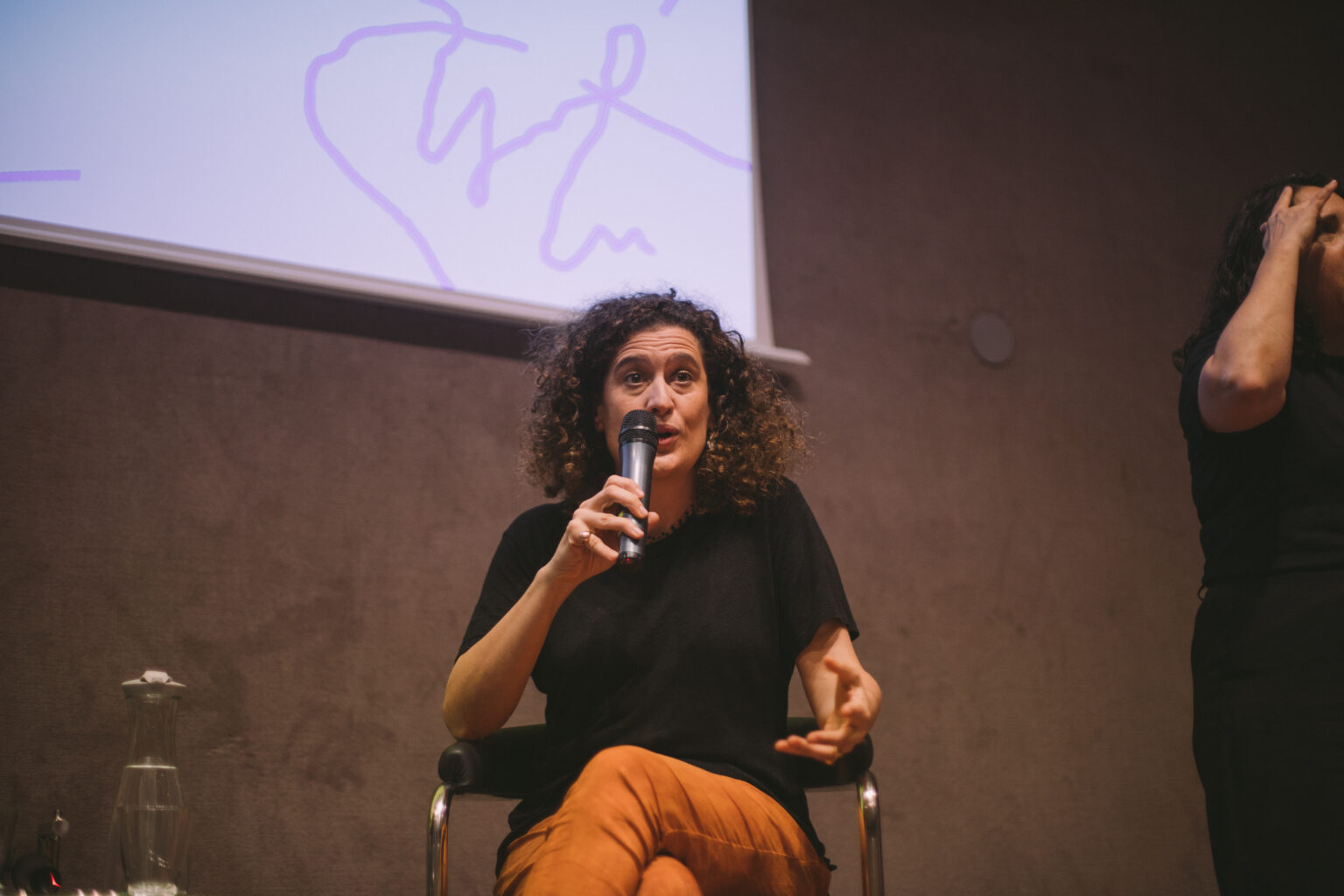
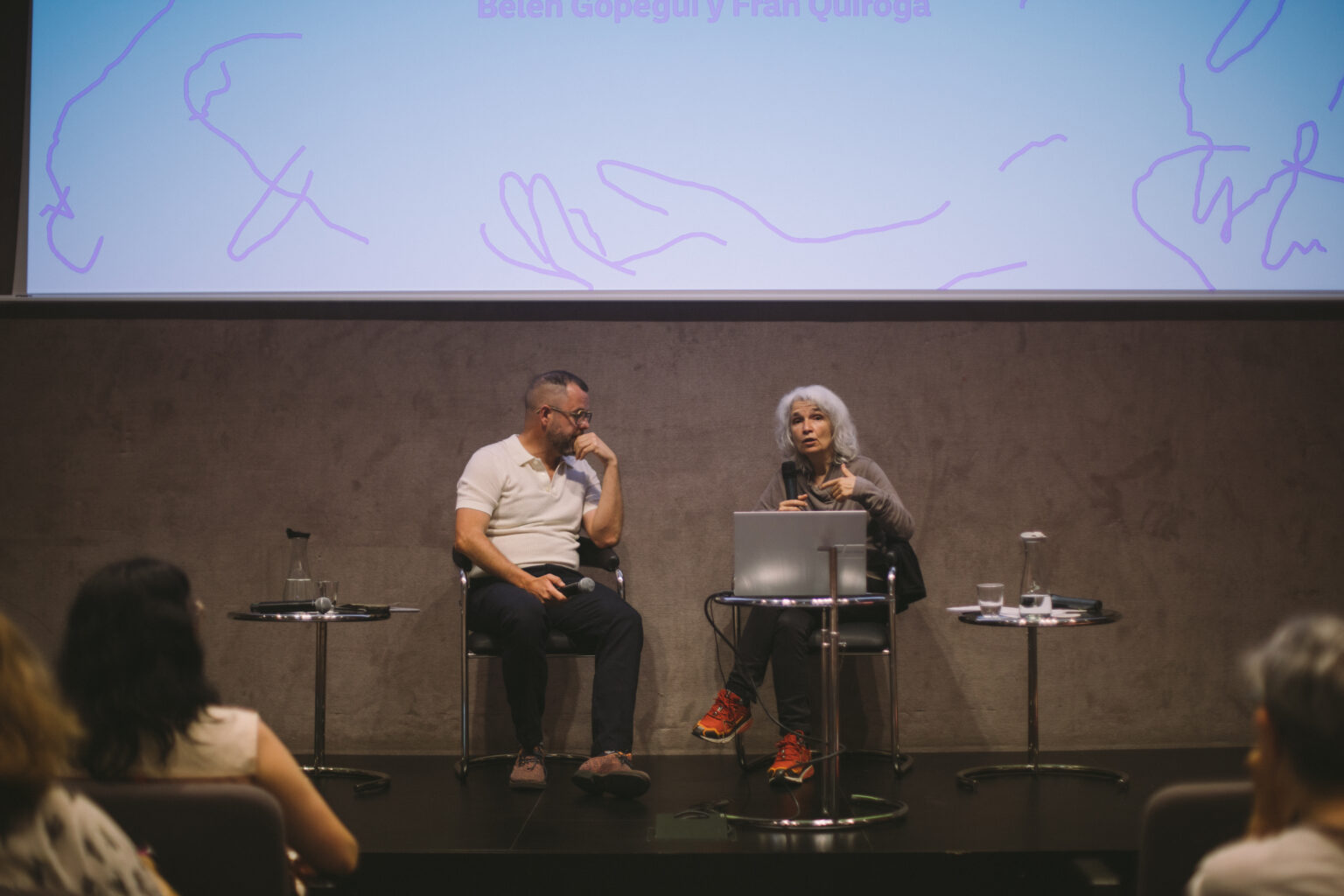
Next, Belén Gopegui began the meeting by reflecting on literature, artificial intelligence, surveillance, and activism, reminding us that happiness can also be found in doing things with other people, in sharing struggles, and in building collectively.
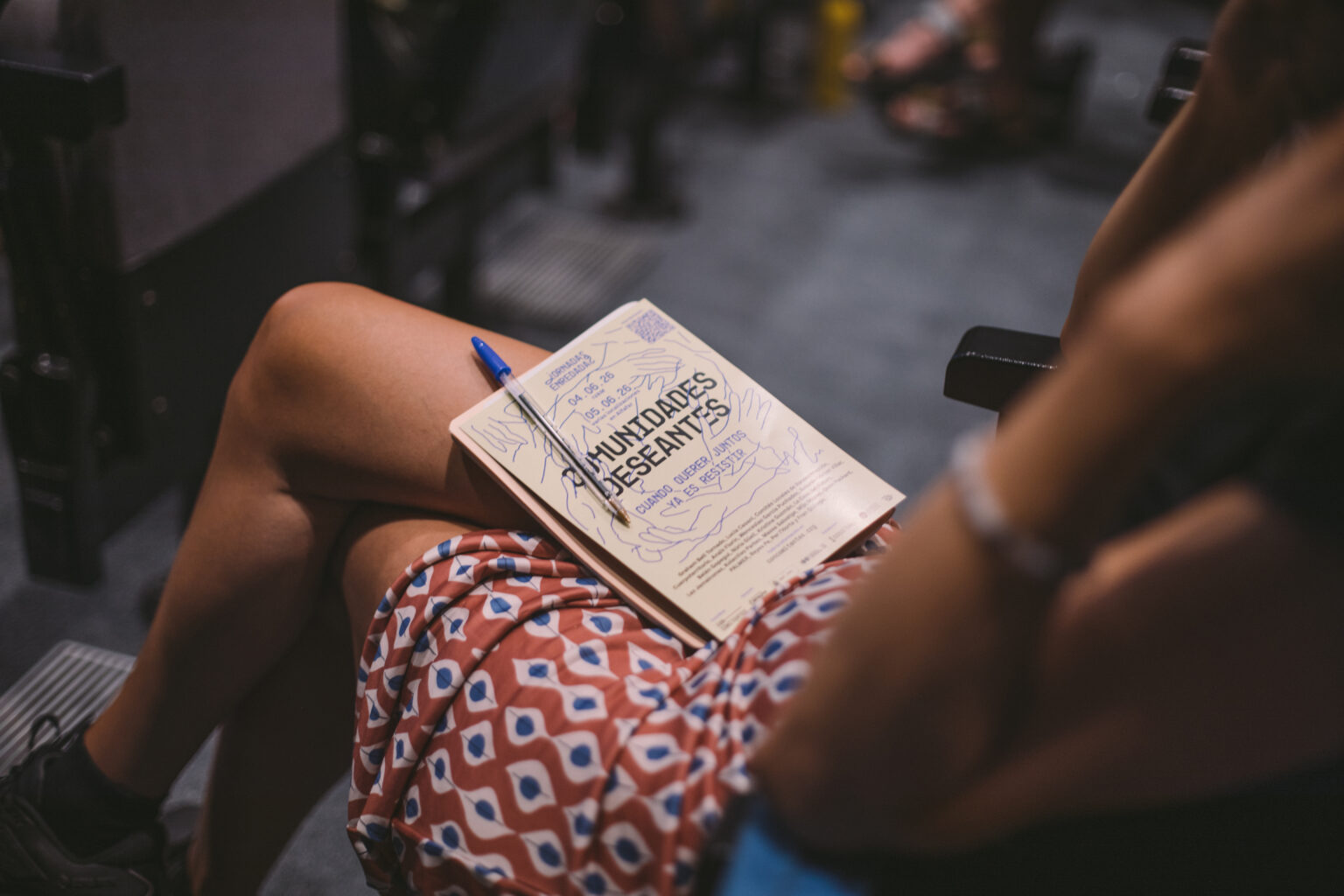
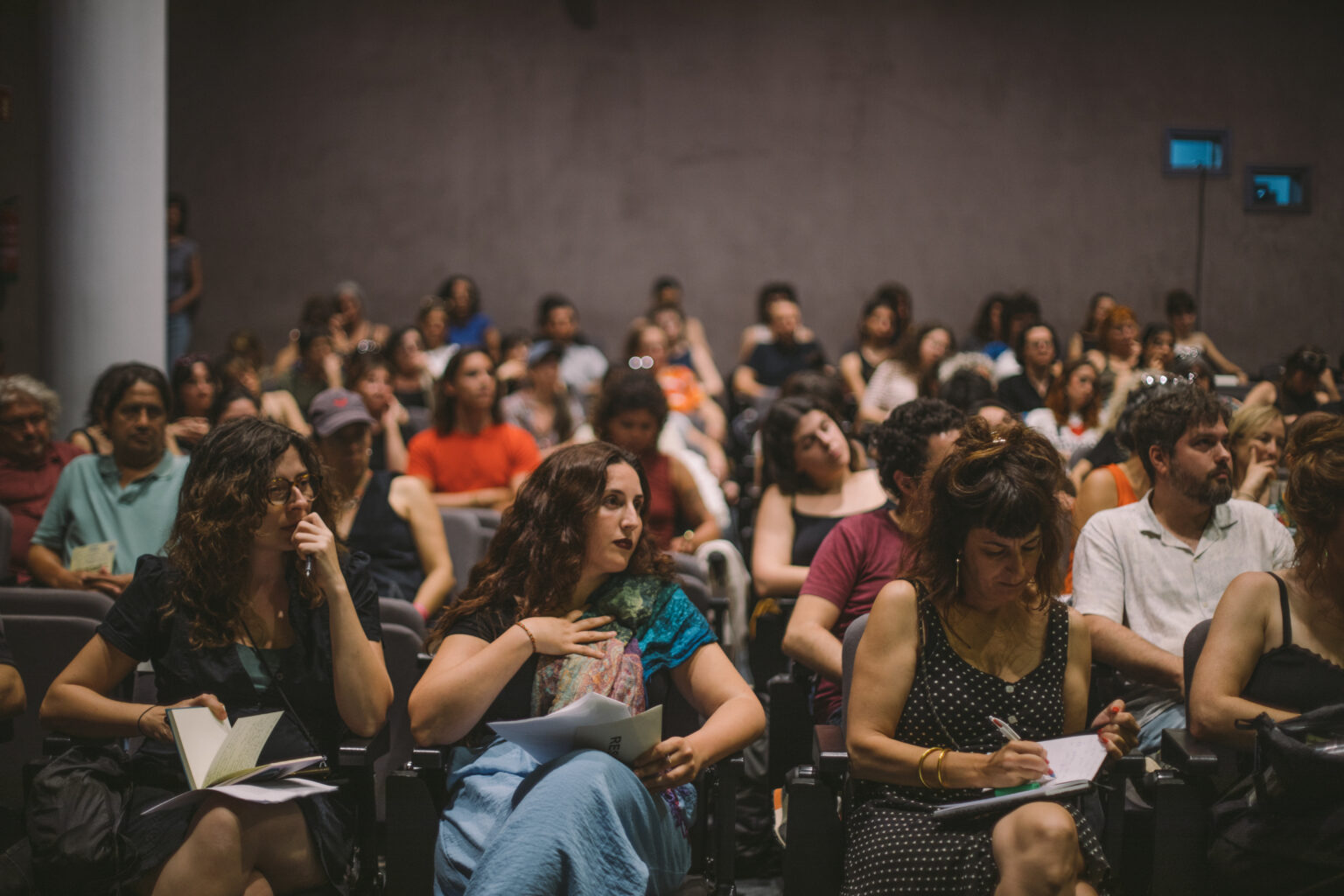
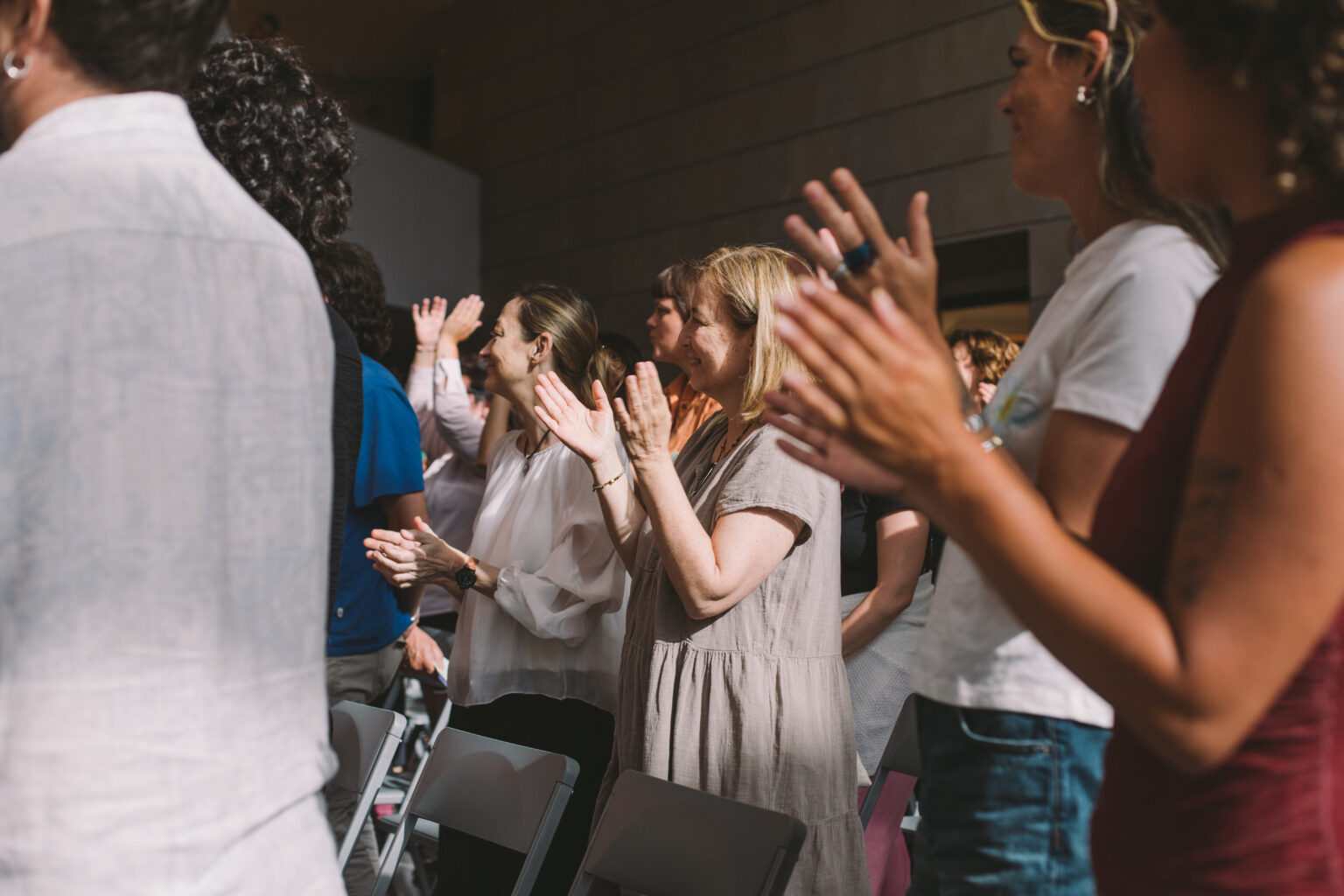
Then came one of the most ritualistic moments of the day. Guided by Graham Bell Tornado, we celebrate our First Holy Communion Wish, a performative break, as festive as it is irreverent, in which we made peace, forgave each other, and remembered that humour, play, and affection can also be tools for building community.
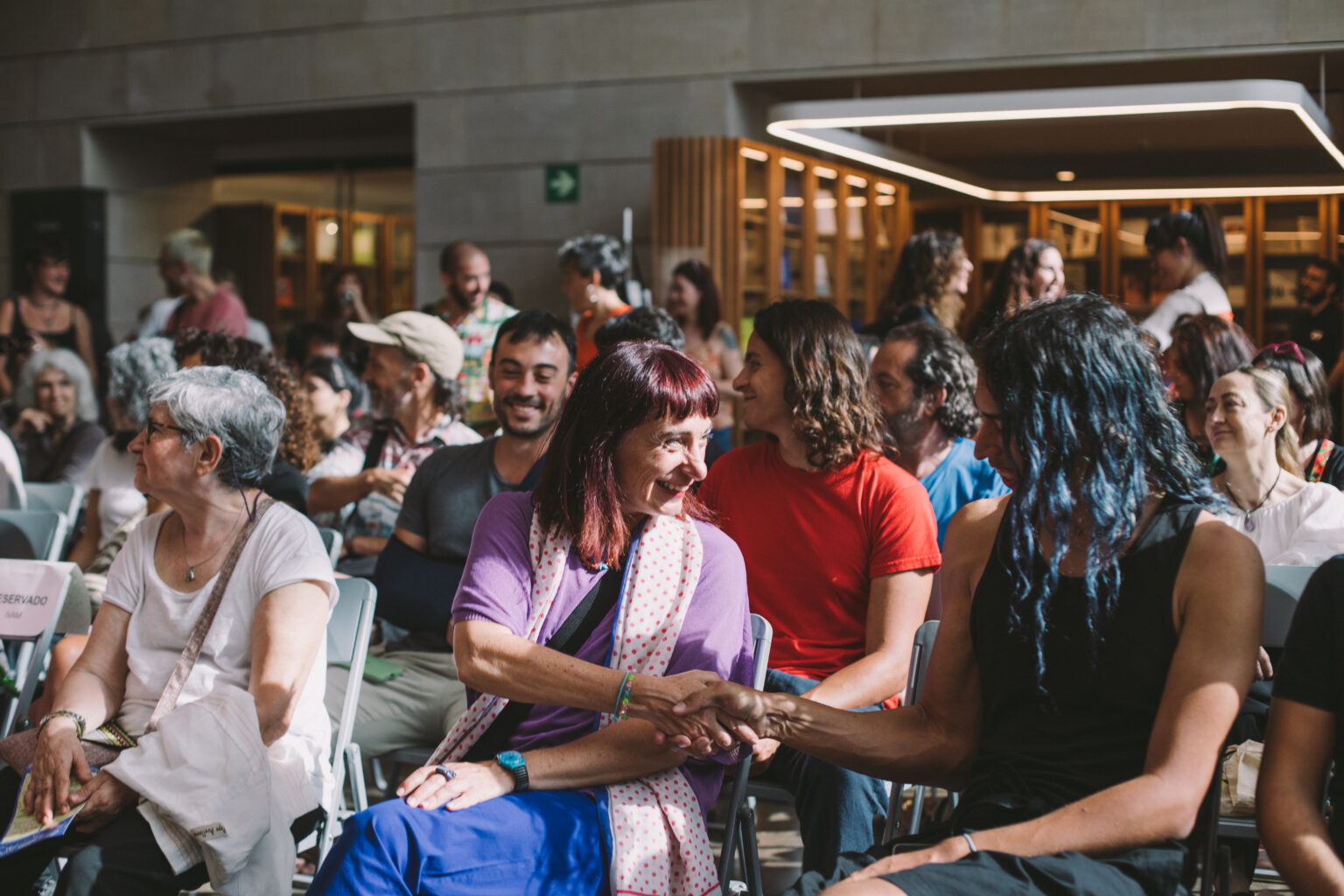
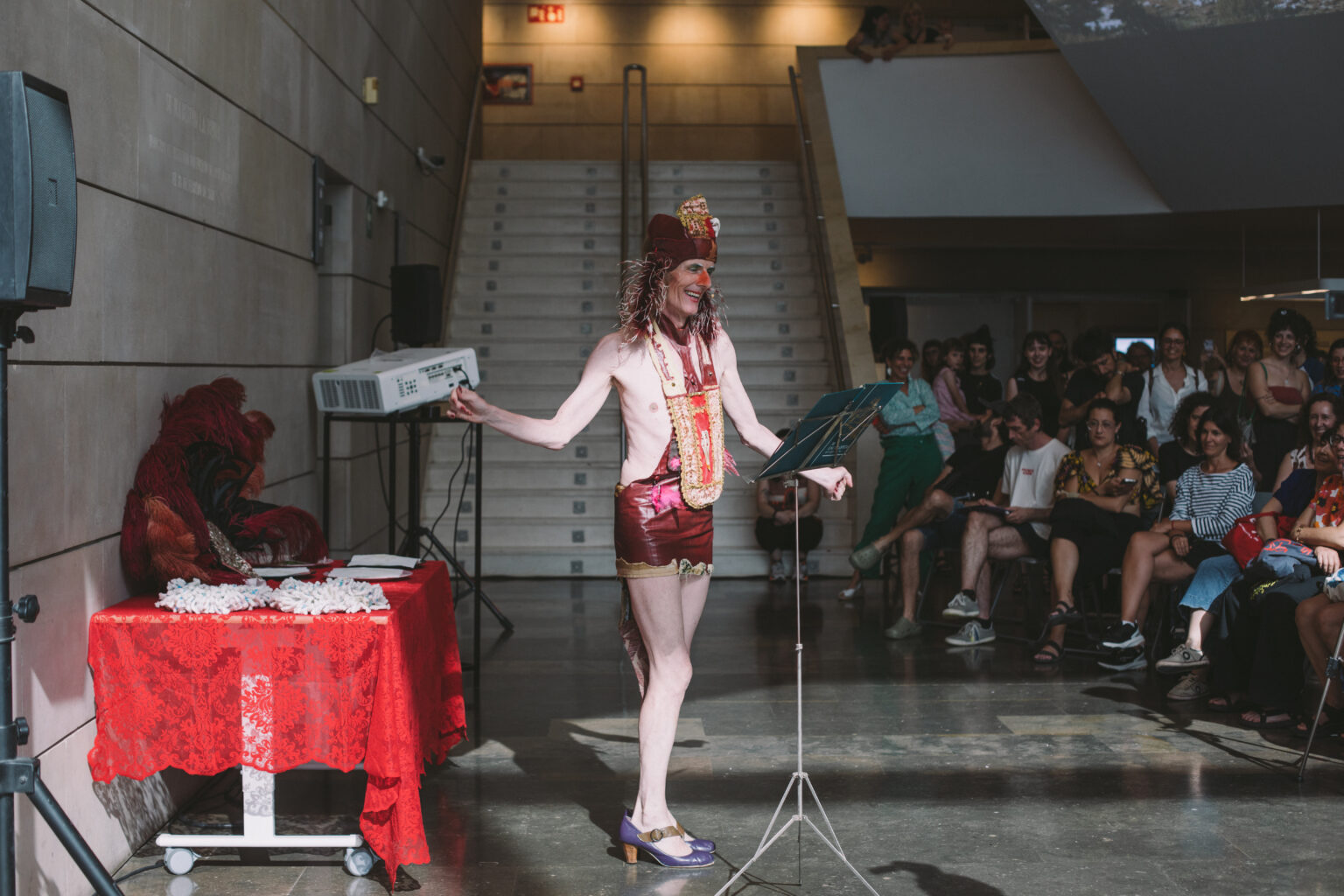
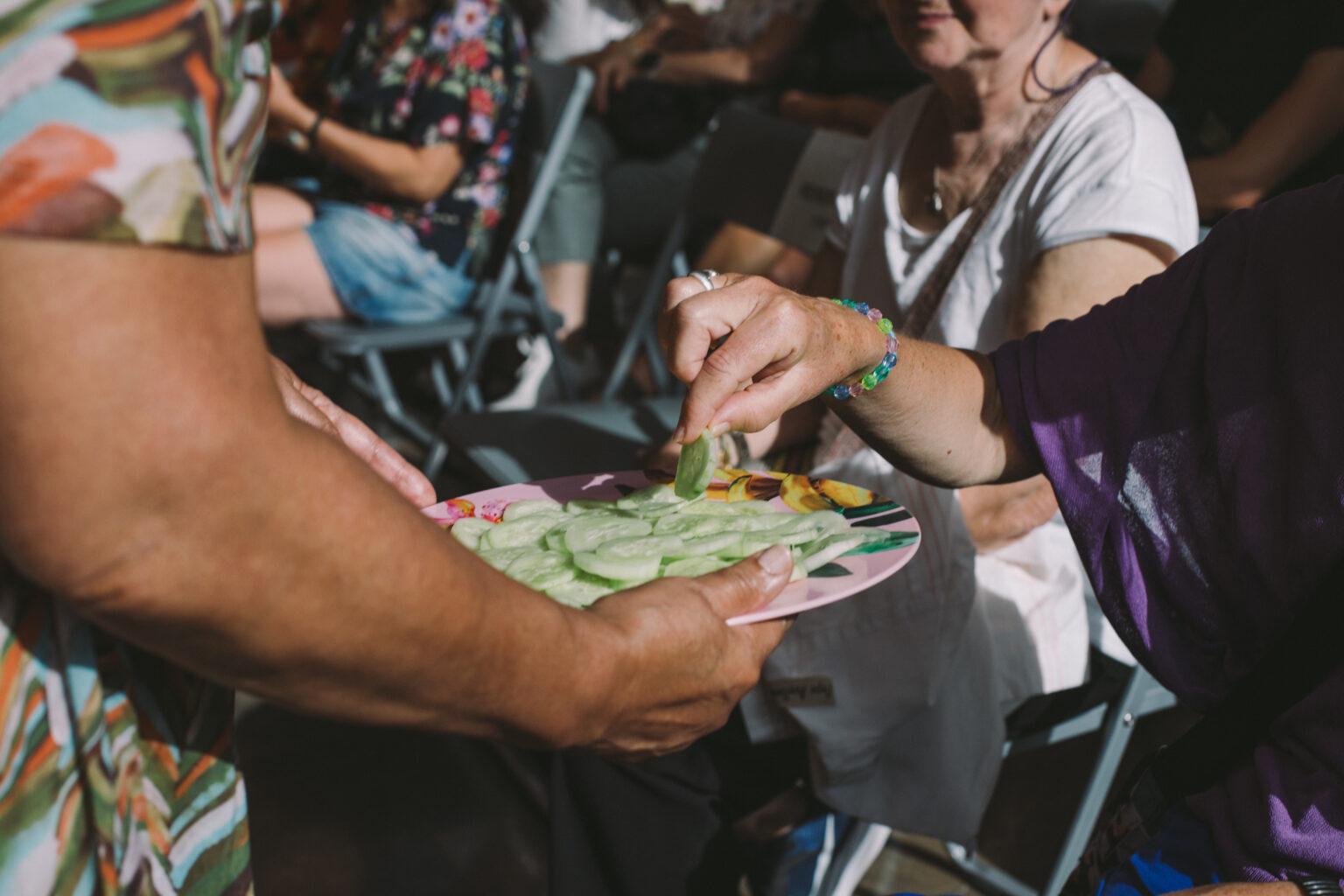
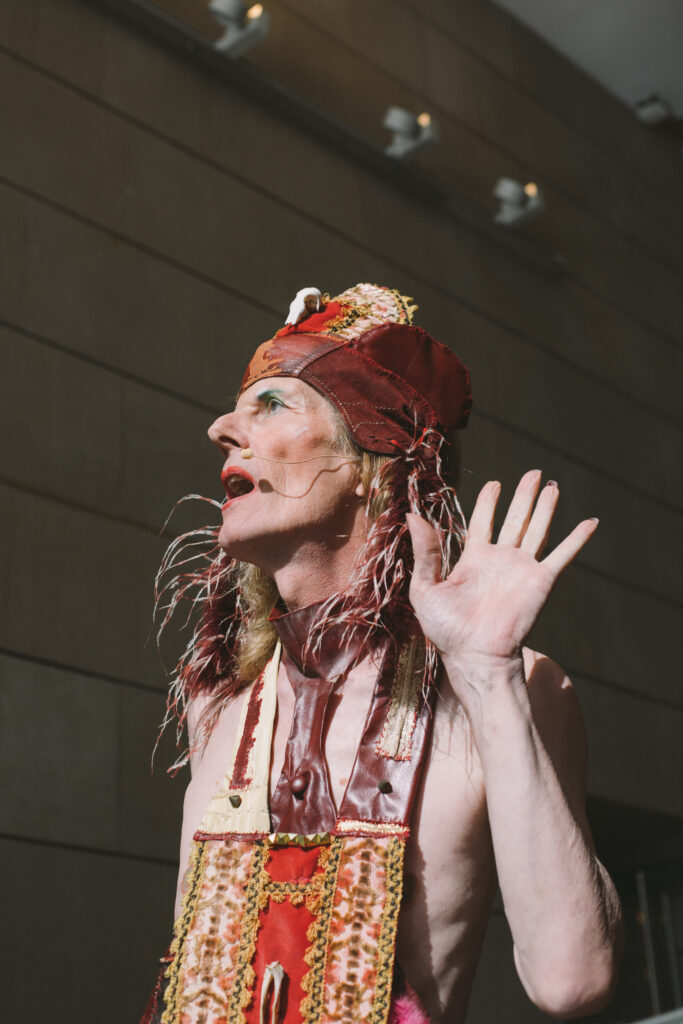
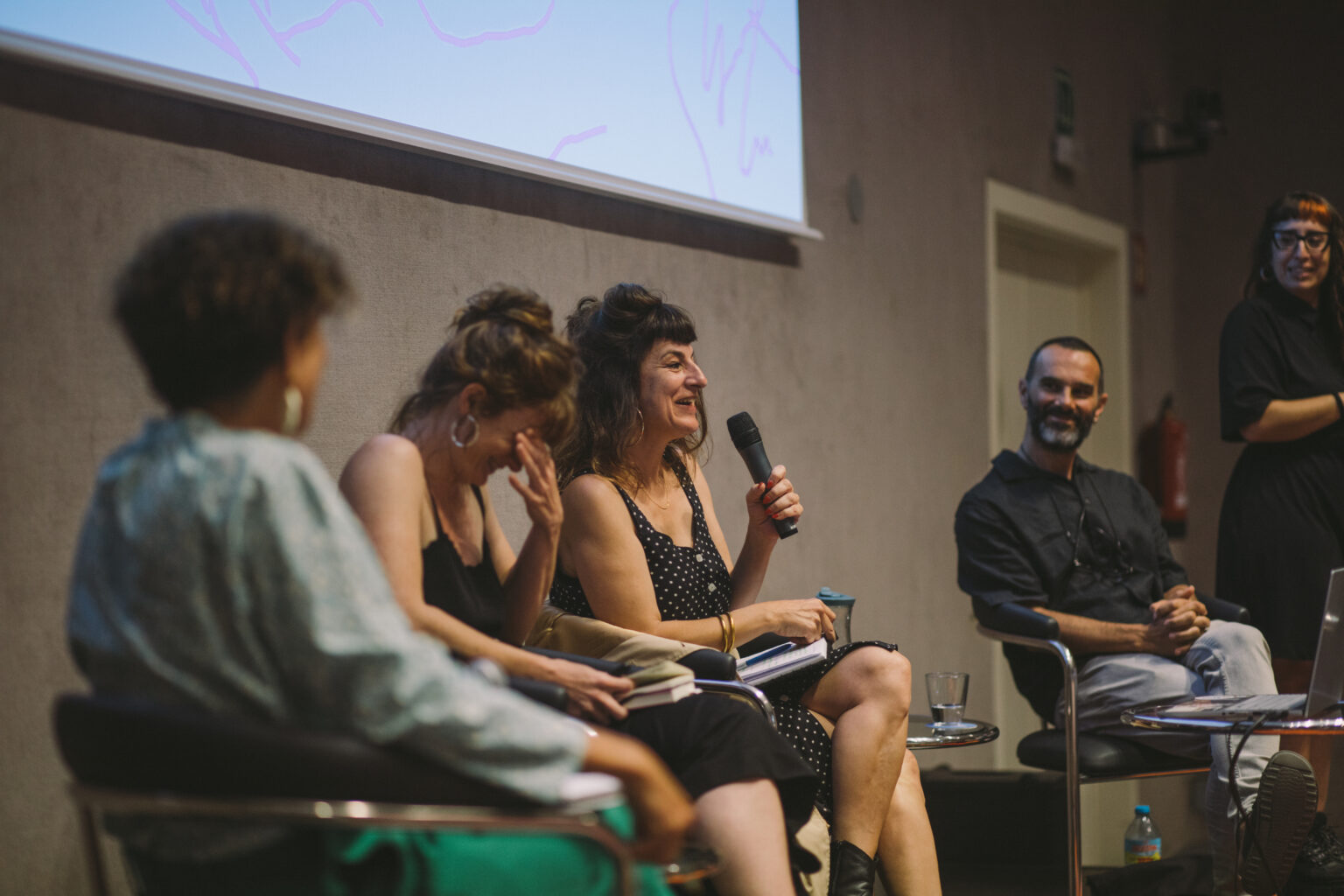
The afternoon continued with a conversation between Núria Güell, Anaïs Florin and Wenceslao García Puchades Anaïs showed how the archive can become a space from which to discover that we have never fought alone: reclaiming the traces of those who desired before us allows us to imagine shared genealogies and understand that desires are also inherited. Núria shared some of her artistic projects, created from administrative and legal loopholes, to question seemingly unshakeable norms, defending the importance of creating spaces for collective listening, even towards those we would prefer not to listen to. Wenceslao brought to the fore one of the tensions that ran through the entire meeting: we live in a system that constantly talks about desire while distancing us from what we could truly desire in common.
The last table brought together Miriam del Saz and Chiara Sgaramella, of BodyTerritory, The Jamaican women y Antonio Gómez Villar to think about how to activate the common from very different practices. Miriam and Chiara presented Metabolic connections, the project they are developing in the Valencian Horta, from where they advocate the need to materialise liveable presents that do not destroy the social and ecological conditions that make them possible. Las Jamaiconas spoke of cooking as a practice of mediation capable of sustaining the common, nurturing bonds and fermenting possibilities. Antonio Gómez Villar closed the conversation by proposing a suggestive image: emancipatory desire is never pure or perfect, but a desire permeated by contradictions, contaminations and cracks.
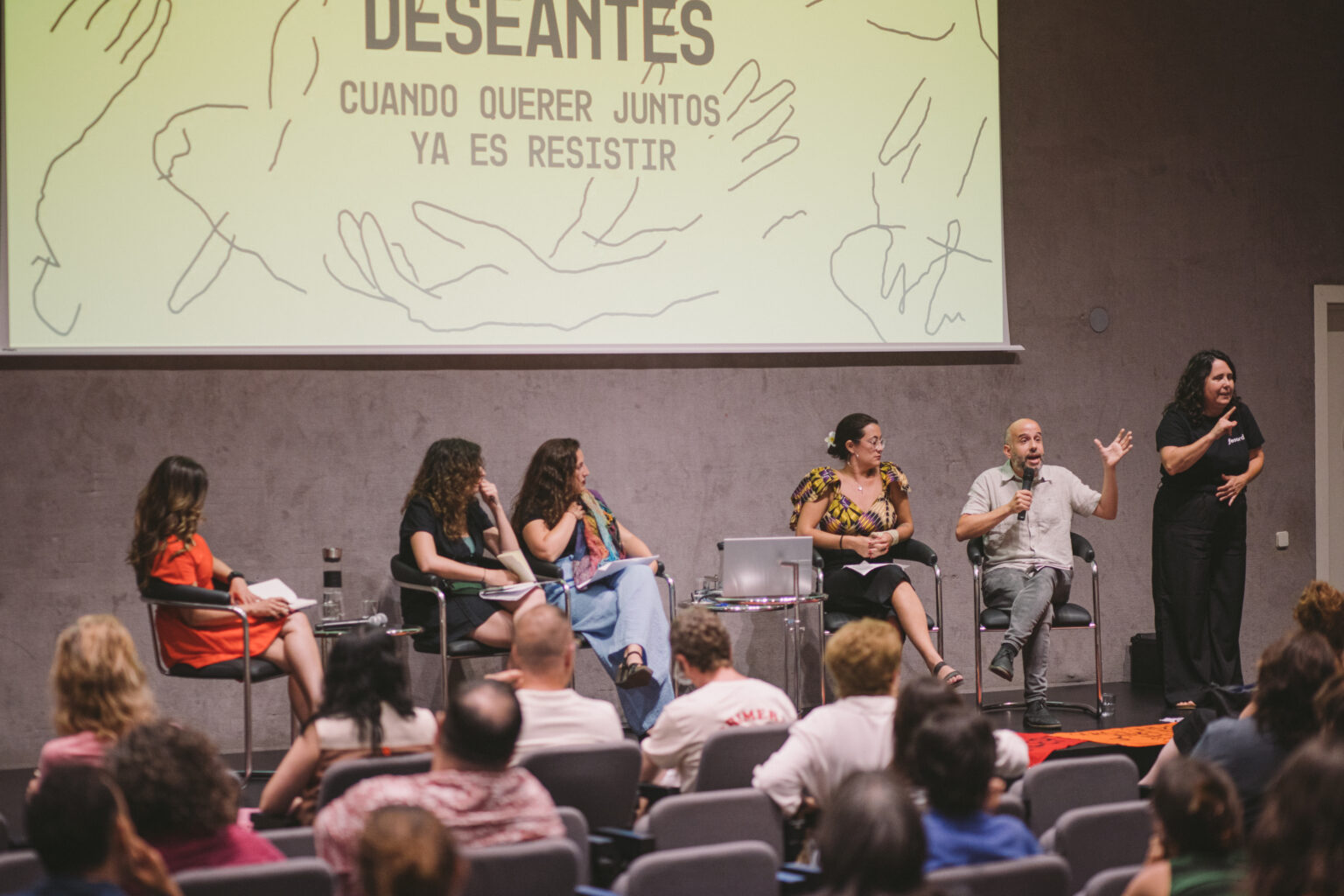
The session concluded with a report by Fran Quiroga while Javier Lozano was translating the conversations in a graphic report, transforming concepts, questions and insights into a visual map that managed to capture the spirit of the meeting and the connections that emerged throughout the day.
On the second day, we left the auditorium to tour some of the territories where the concomitances of Concomitentes are taking shape.
The first stop was Parke Alcosa. There, next to Massa Salvatge, the Park Youth Collective, and Reyes Pe, we walked through a neighbourhood where the demand for a park also becomes a defence of the right to collectively imagine and build the place where we live.
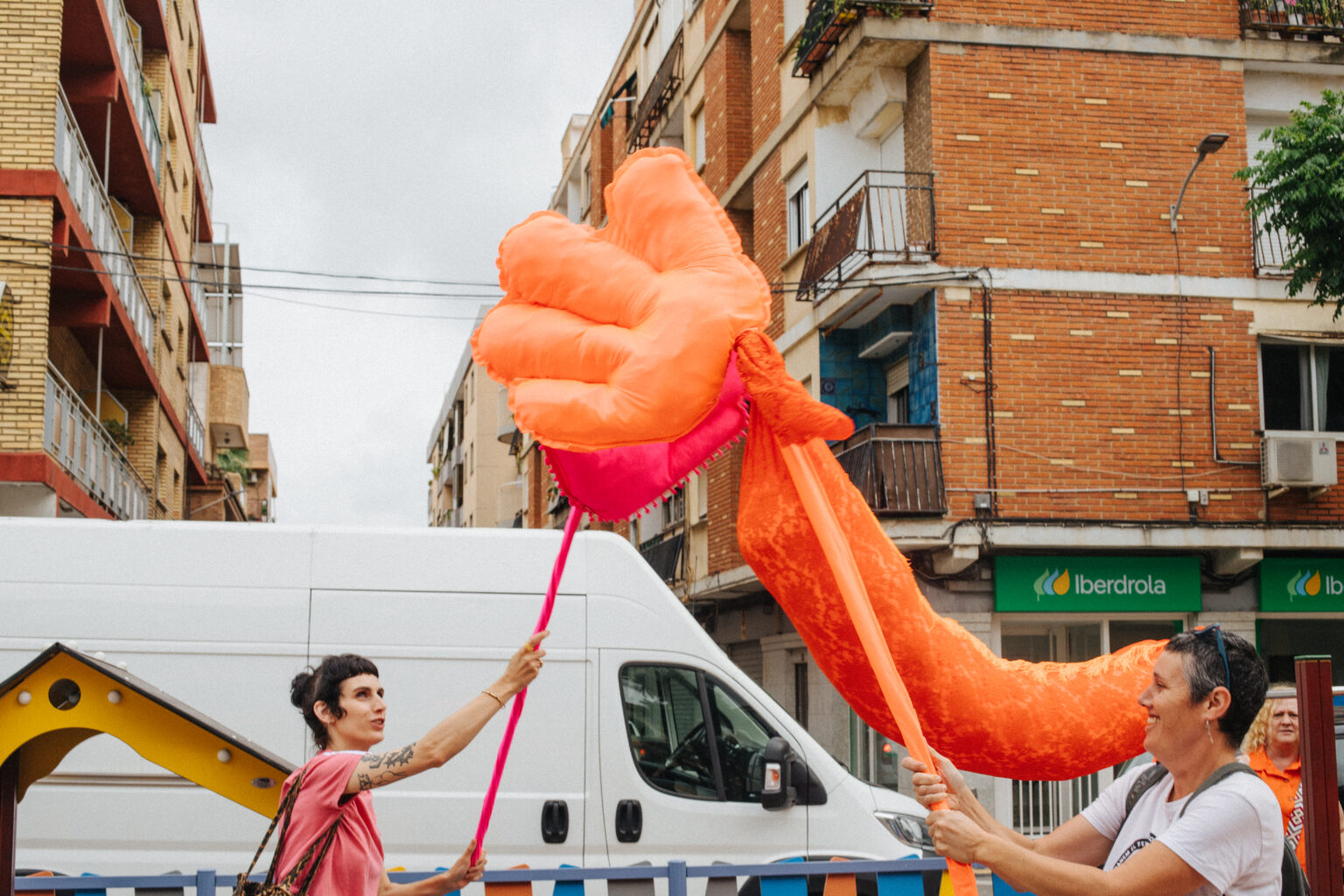
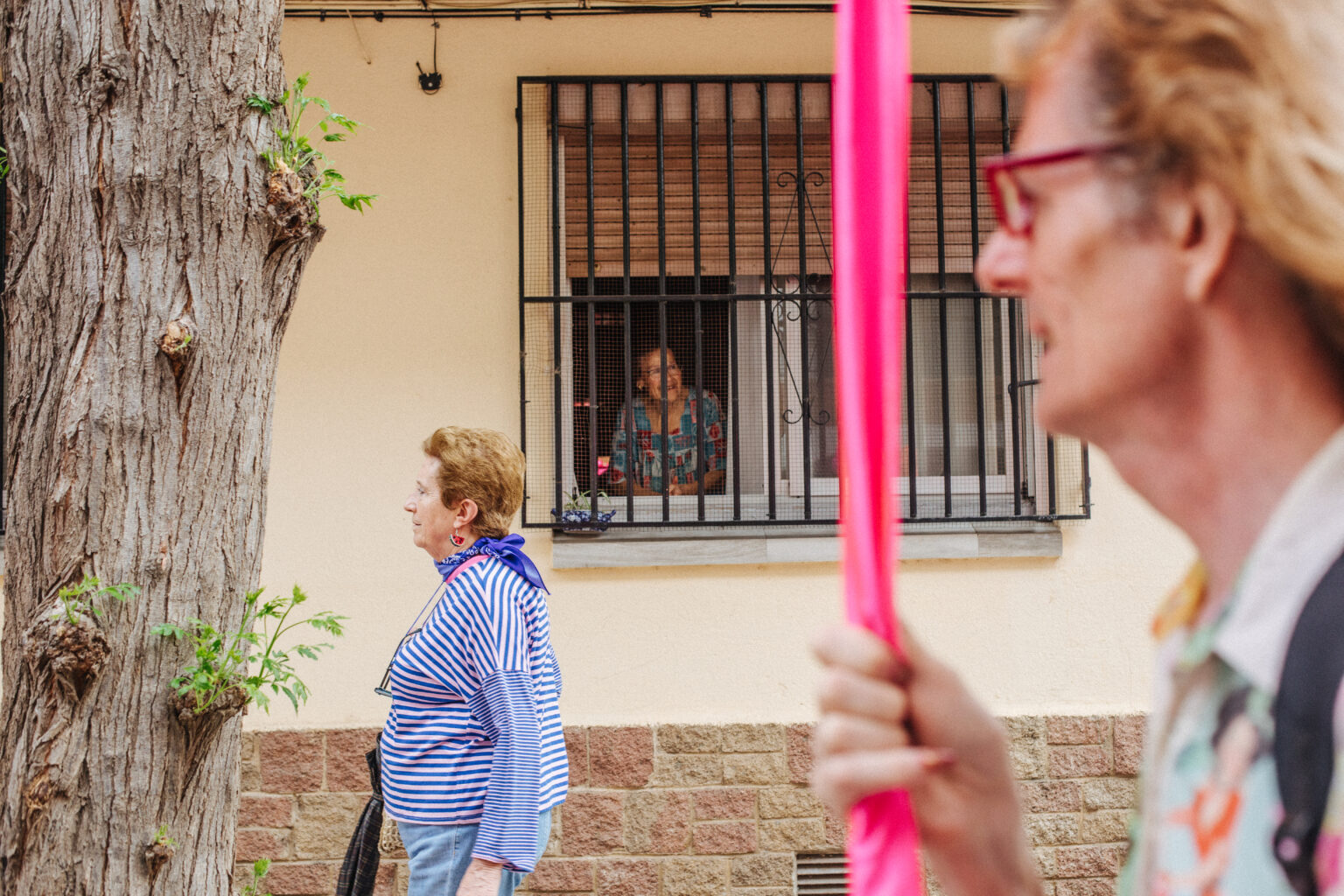
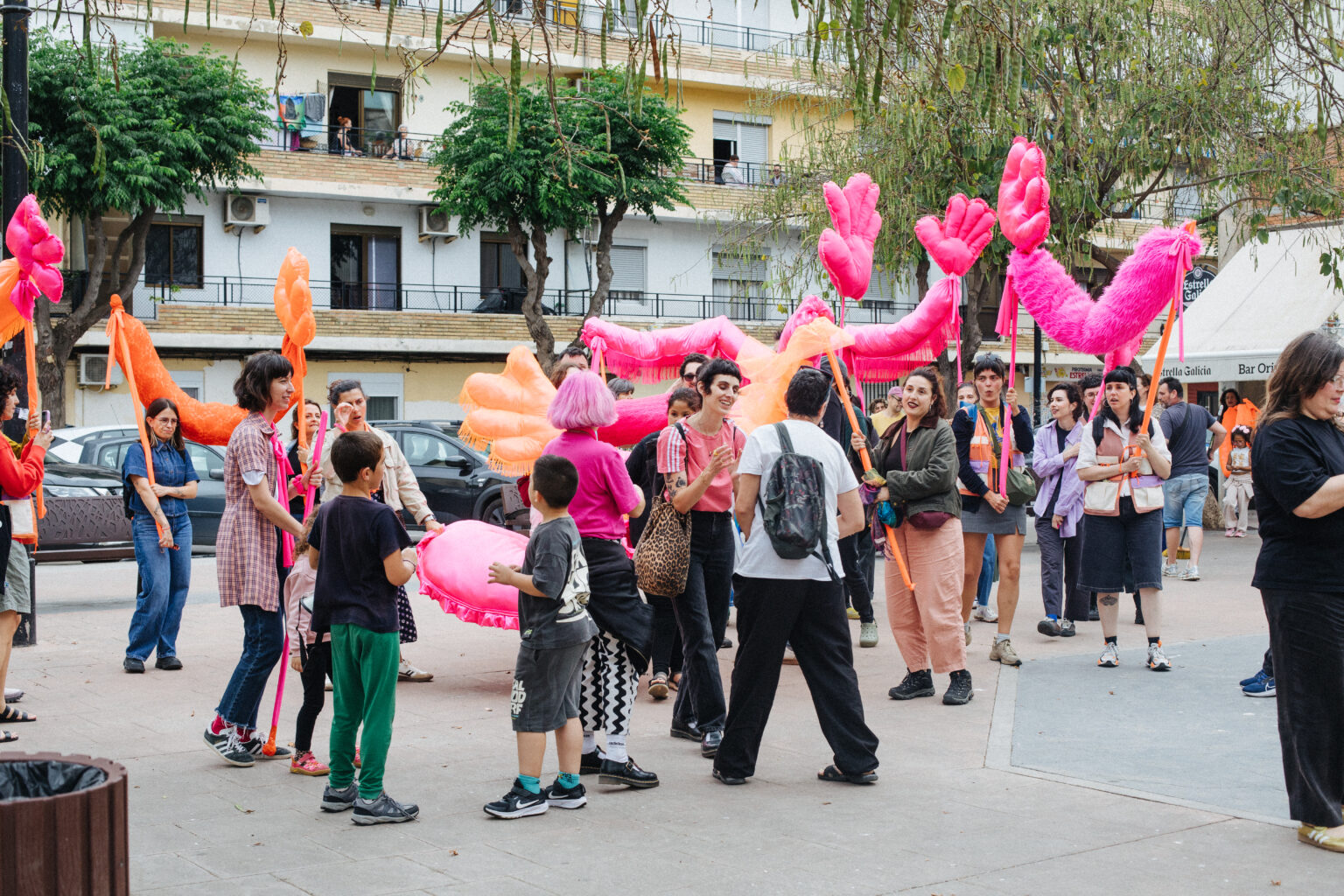
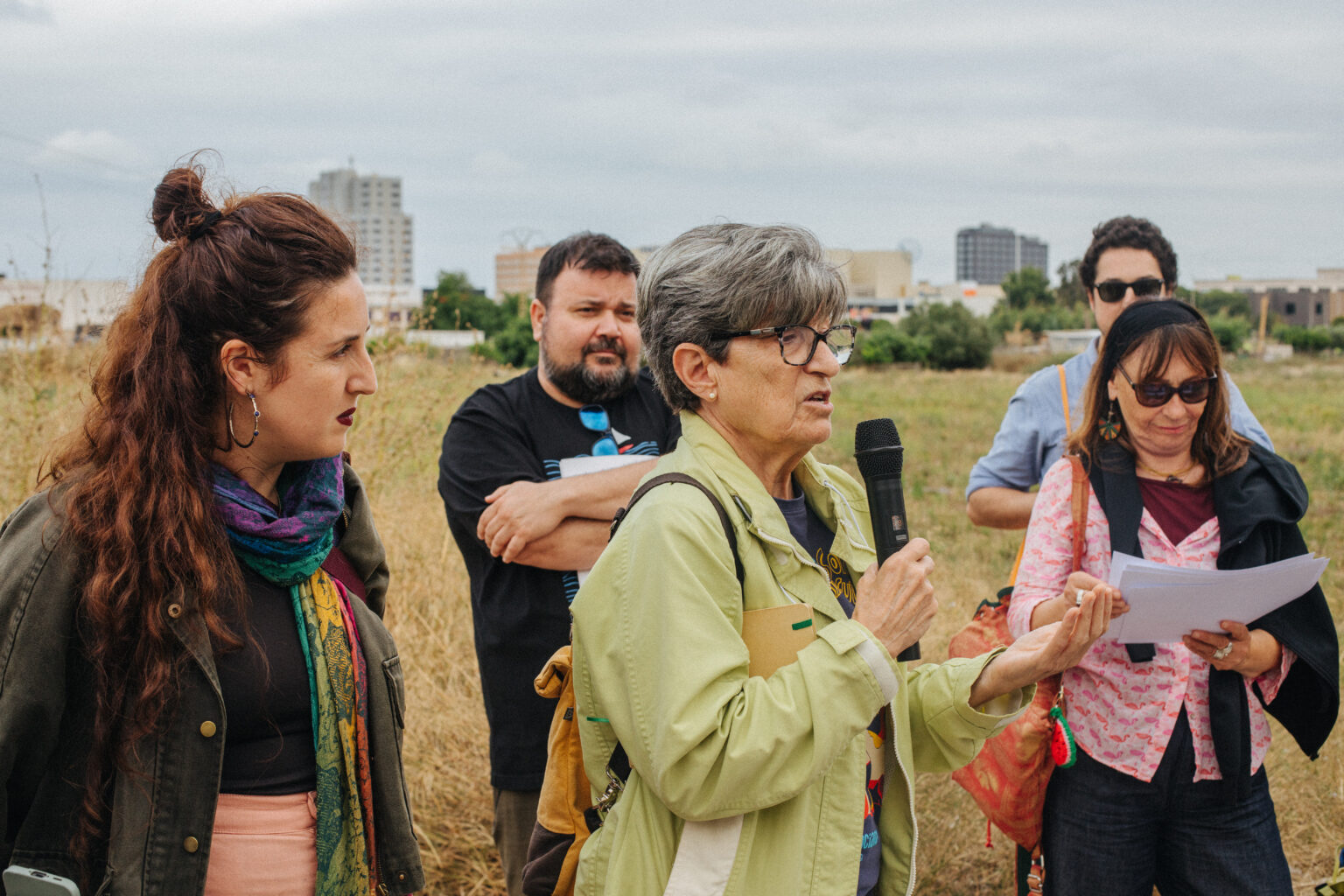
Afterwards we moved to the La Font Baixa orchard. Members of Per l’Horta, together with Miriam del Saz and Chiara Sgaramella, they shared the struggles for the protection of a territory whose importance is not only agricultural, but also ecological, food-related and communal. Defending the vegetable garden is also defending ways of life that resist extractive and speculative models.
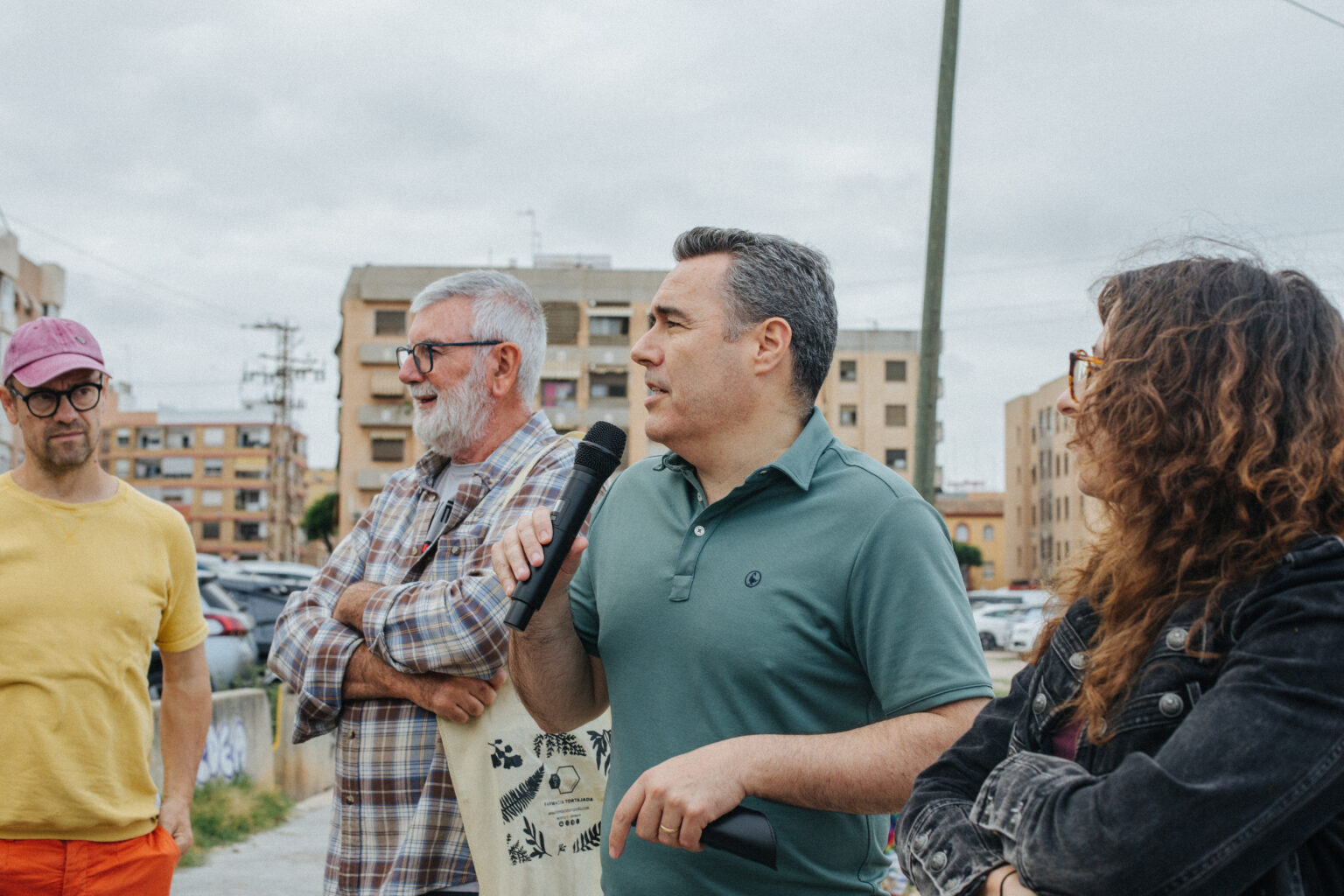
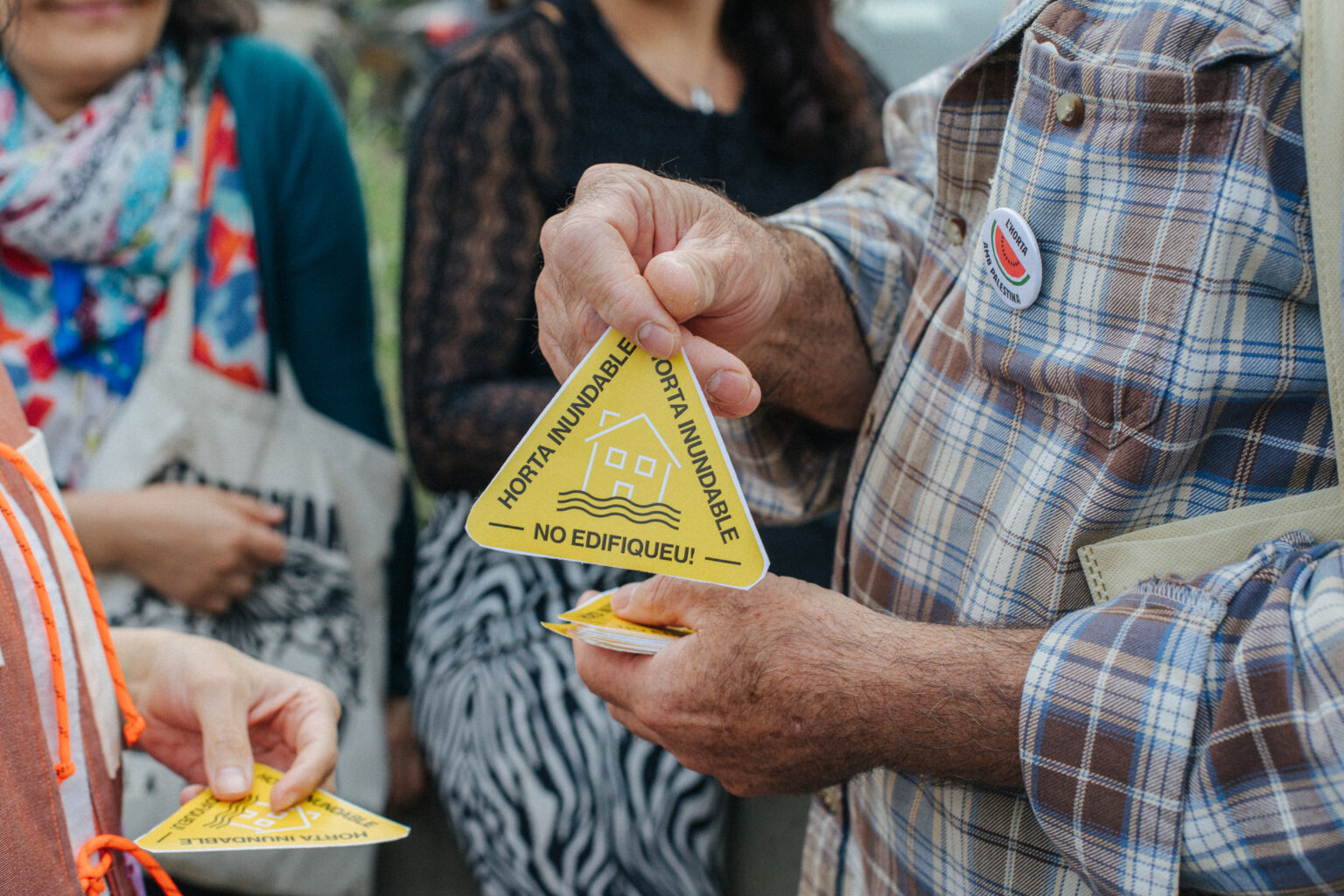
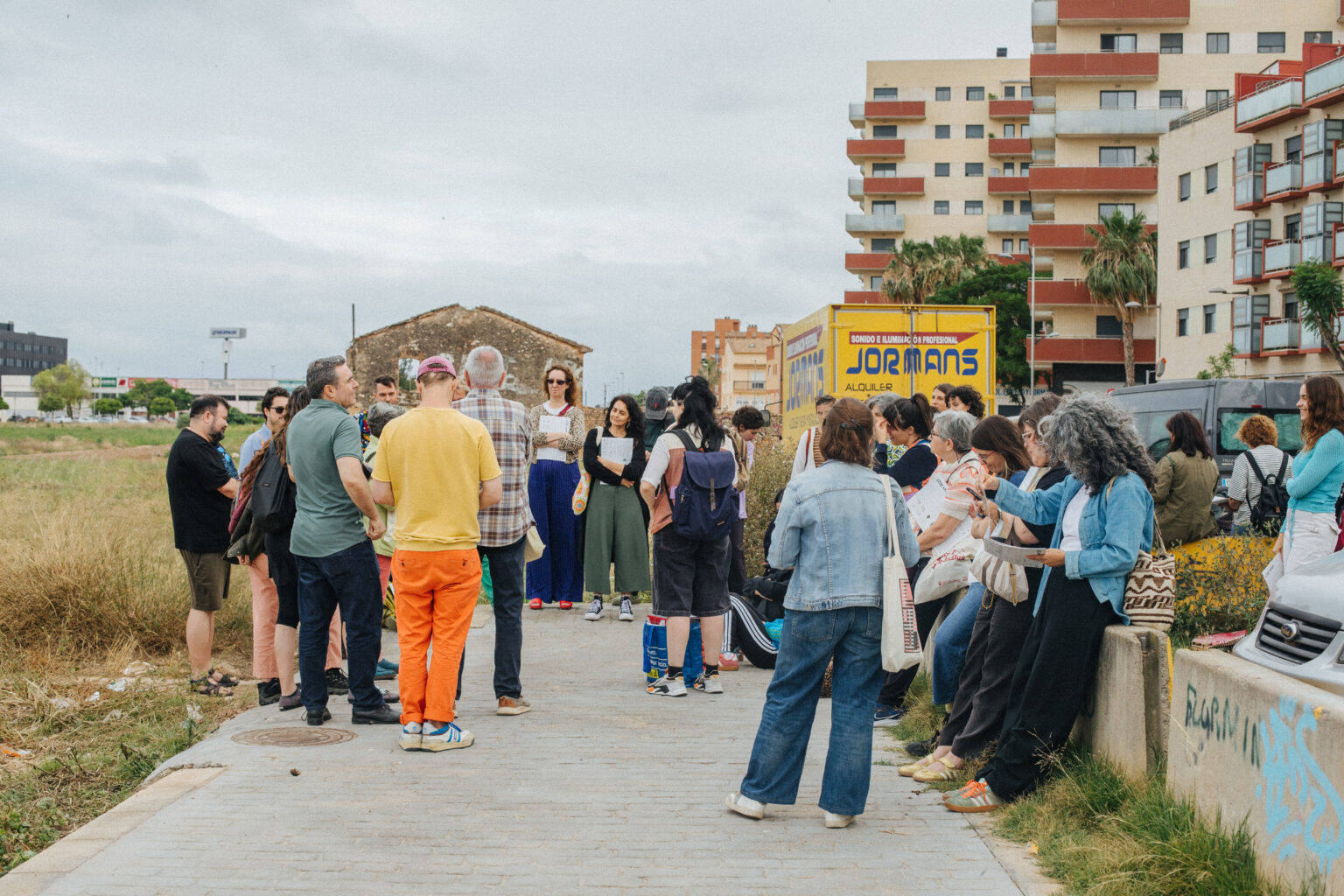
The next stop was Tiger, where Paloma Navarro shared the experience of the Local Reconstruction Committees Kevin Buckland, that of La Casa dels Futurs. Drawing on the recent emergency experience in the region, we talk about self-organisation, care, and communities' capacity to respond when institutions fall short.
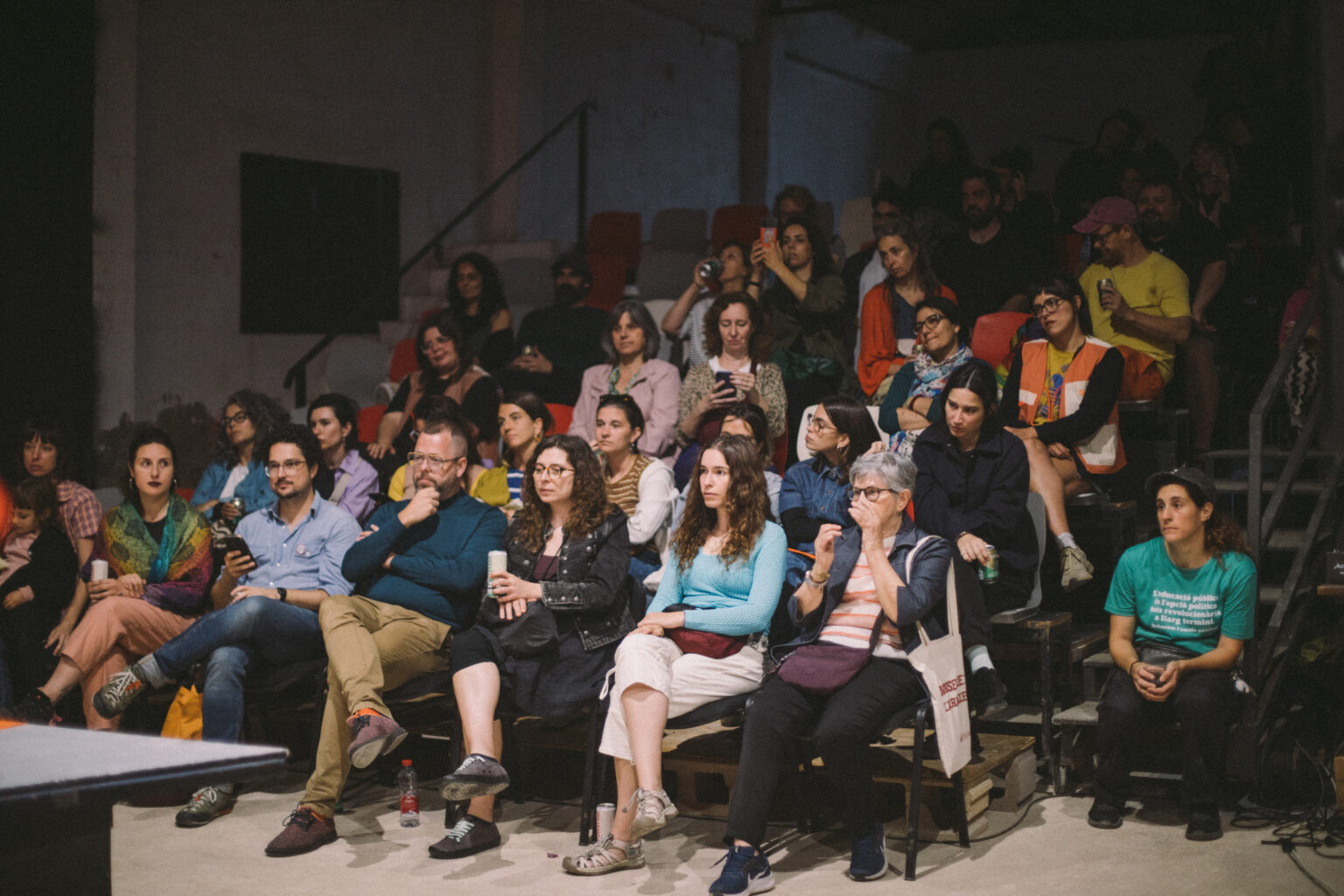
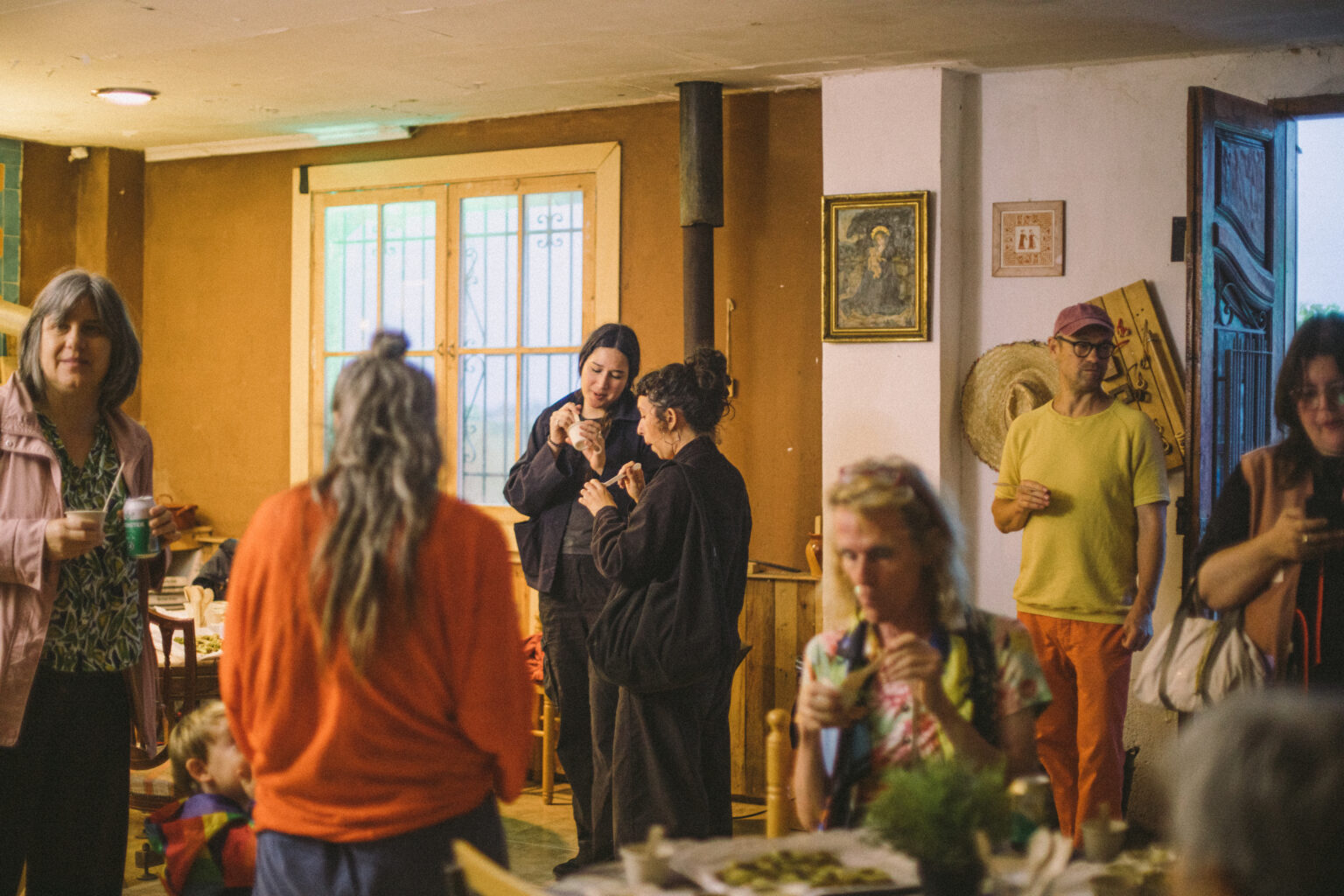
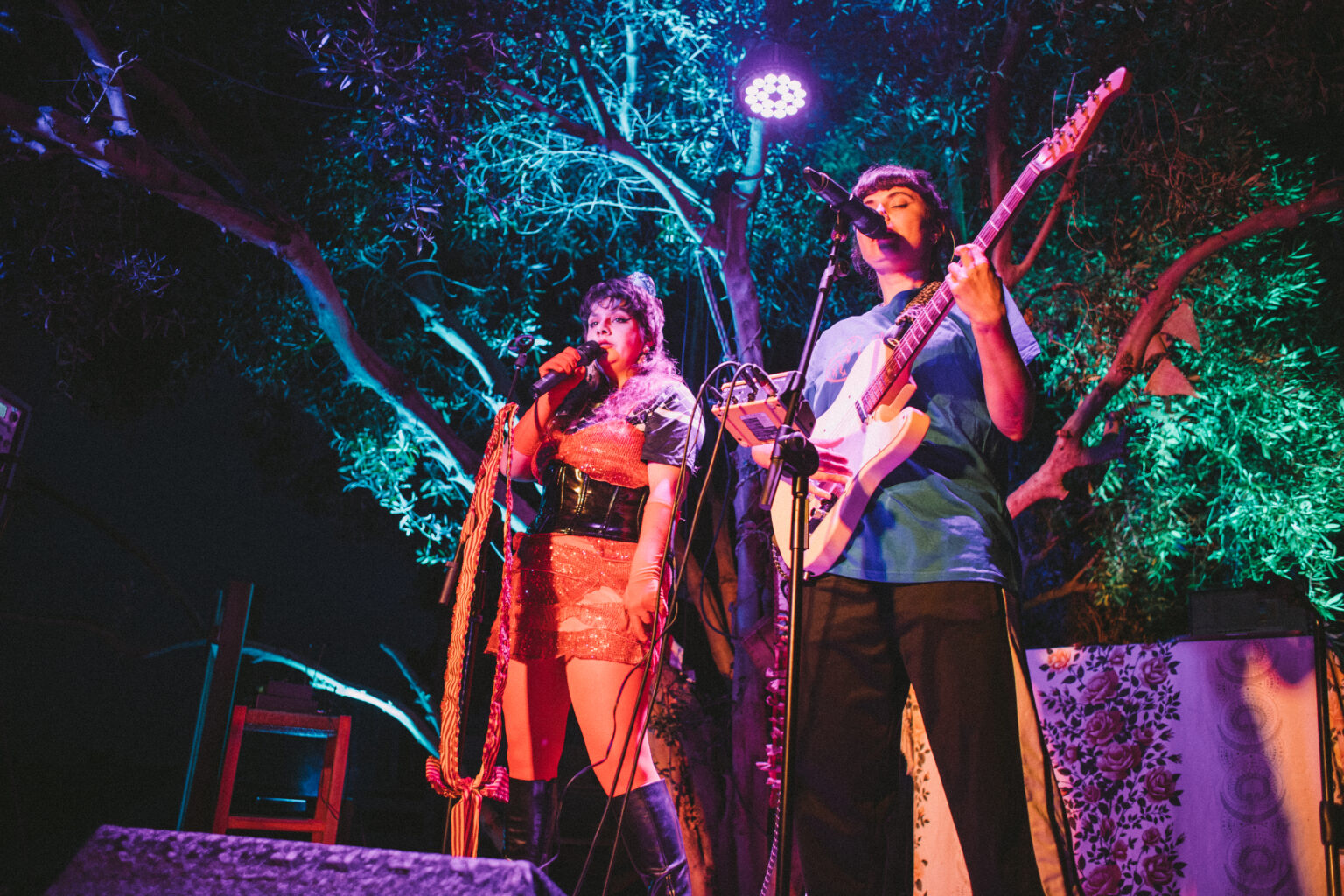
The days ended around a table and music. We shared a Meal prepared by Al Paladar and we close these two days with the concert by Palmer, celebrating that thinking together also means eating, dancing, talking, and continuing to imagine possible futures.
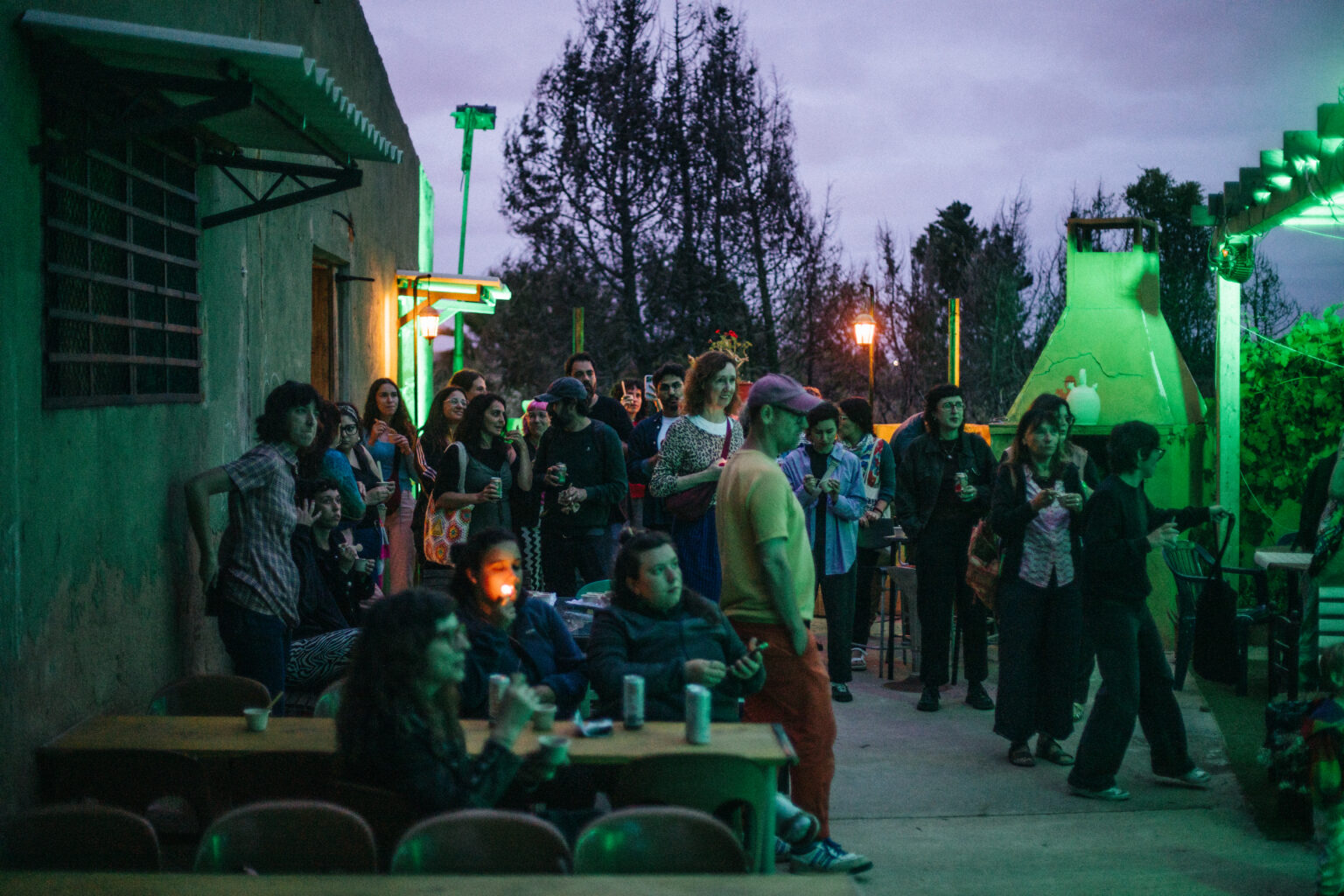
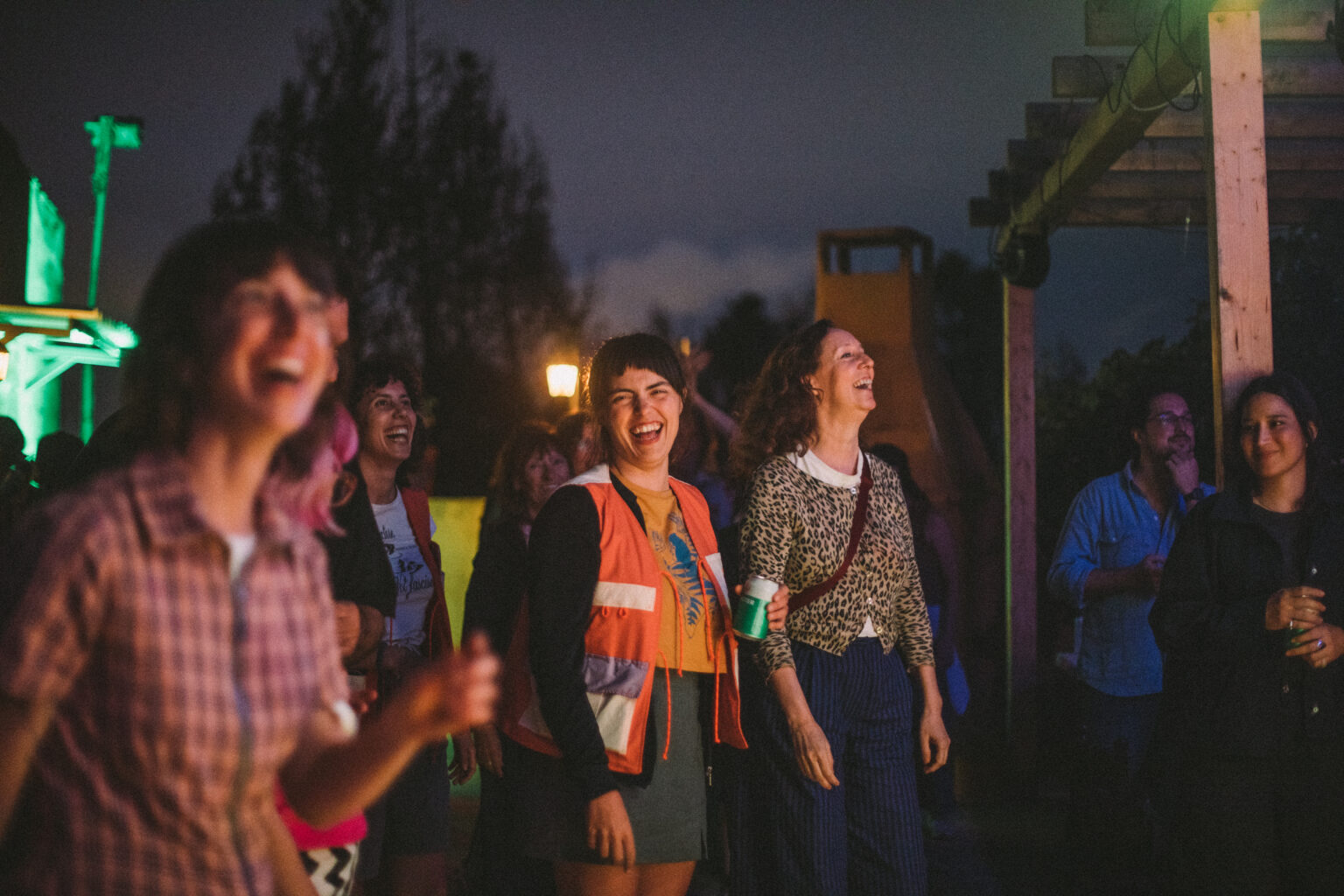
More than offering definitive answers, Desiring communities left us with new questions, complicities, and the certainty that desire, when collectively built, can become a tool to sustain life and to rehearse other ways of being together. Because, perhaps, wanting together is already a way of resisting.




 Concomitentes