


To begin by listening/holding a question
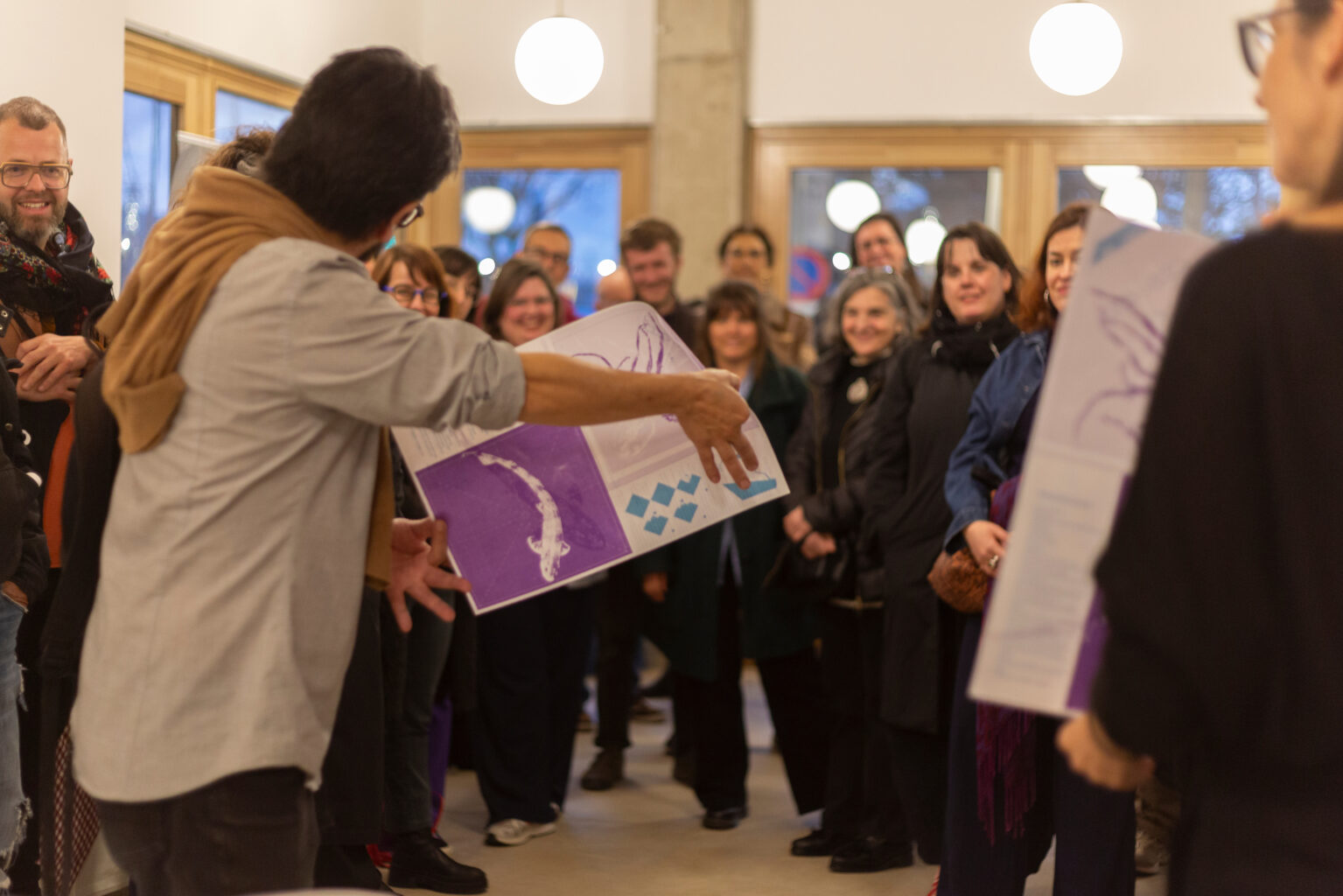 Photograph of Agosto Creative Studio
Summary of the kickoff day: Can the Sea have a Parliament?
To read the text in Catalan, click here.
There are processes that begin with the will to sustain a question. The commencement journey of the Parliament of the Sea It was, first and foremost, this: a first gesture of openness, a shared time to begin imagining what it might mean today to build a common horizon in Barceloneta.
In a context marked by the climate crisis, biodiversity loss, and increasing pressure on marine ecosystems, the meeting brought together female scientists, artists, mediators, and local residents to explore other ways of relating knowledge, bodies, and territories.
The Parliament of the Sea it presented itself as a space under construction. Not as a fixed structure, but as a practice: a place where scientific knowledge, artistic practices, and situated knowledges can meet, challenge each other, and transform mutually. A practice sustained by three fundamental gestures: listening, experimenting, and thinking together.
Within this framework, the presentation of the client representatives — Elisabetta Broglio, Vanessa Balagué, Silvia Donoso and María Elena Carbajal (ICM-CSIC); Esther Zamora (Dones amb Sal); and Núria Sánchez and Cristina Caparrós (Cap a Mar) — allowed these reflections to be anchored in a specific territory. Their voices brought with them situated concerns, desires and experiences that give meaning to the project and guide its potential directions.
From the scientific realm, Ruth Durán, a researcher at ICM-CSIC, presented the functioning of the coastal video-monitoring system installed by ICM, with support from Barcelona City Council, at the Mapfre Tower. This infrastructure allows for real-time observation of coastal dynamics. The tool was conceived not just as a technical device, but as a starting point to open a dialogue between scientific data and other forms of knowledge.
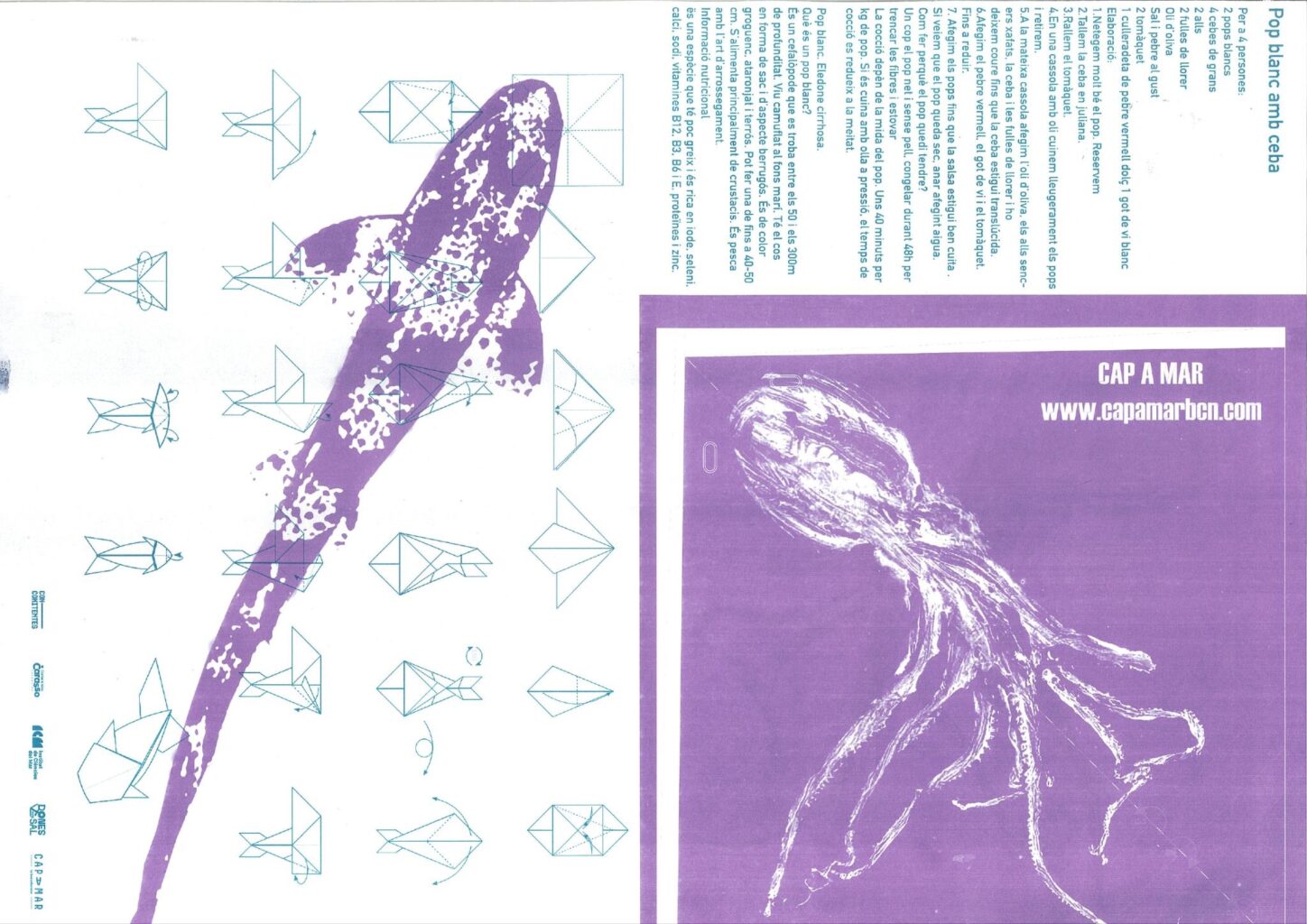
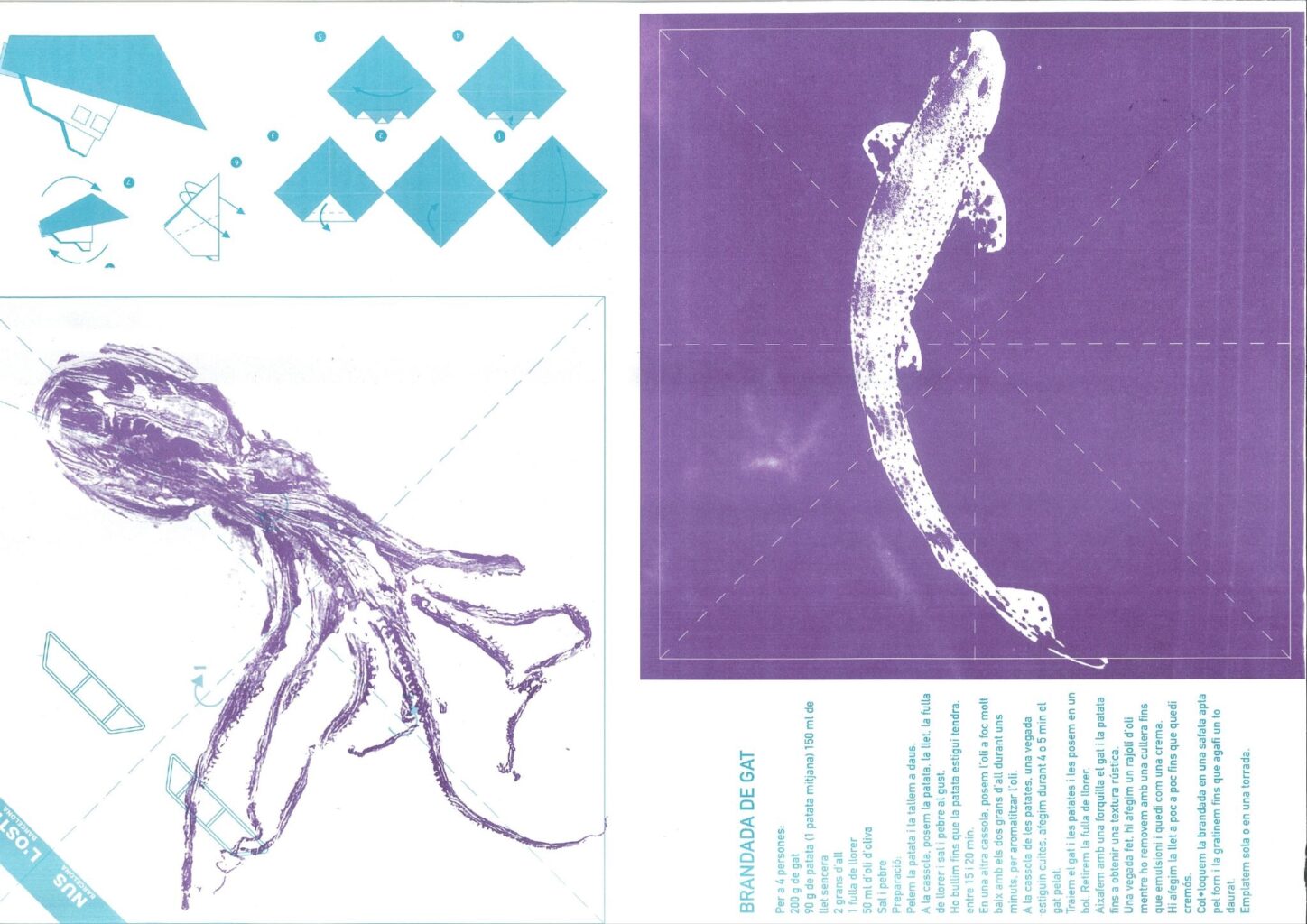
For their part, the Lumbung Press collective introduced their editorial practice as a form of mediation, and publishing as a process: a tool for activating conversations, sharing knowledge, and building collective narratives. In this sense, the encounter explored how to translate both scientific data and local knowledge into editorial devices and into collective processes for the production and circulation of knowledge.
The day continued at the Xarxaire Cooperative where a tasting prepared by Cap a Mar, along with a printed document designed as a tablecloth – developed by lumbung press in dialogue with them – extended the meeting into a sensory dimension. The recipes incorporated into this support shifted the conversation towards taste, memory, and the body.
More than an inauguration, the day was a threshold: a first trial run of what this Parliament could be, understood as a sustained practice of listening, mediation, and collective creation.


 Concomitentes