

On evaluation in artistic mediation, a conversation between Klaus Fruchtnis and Fran Quiroga
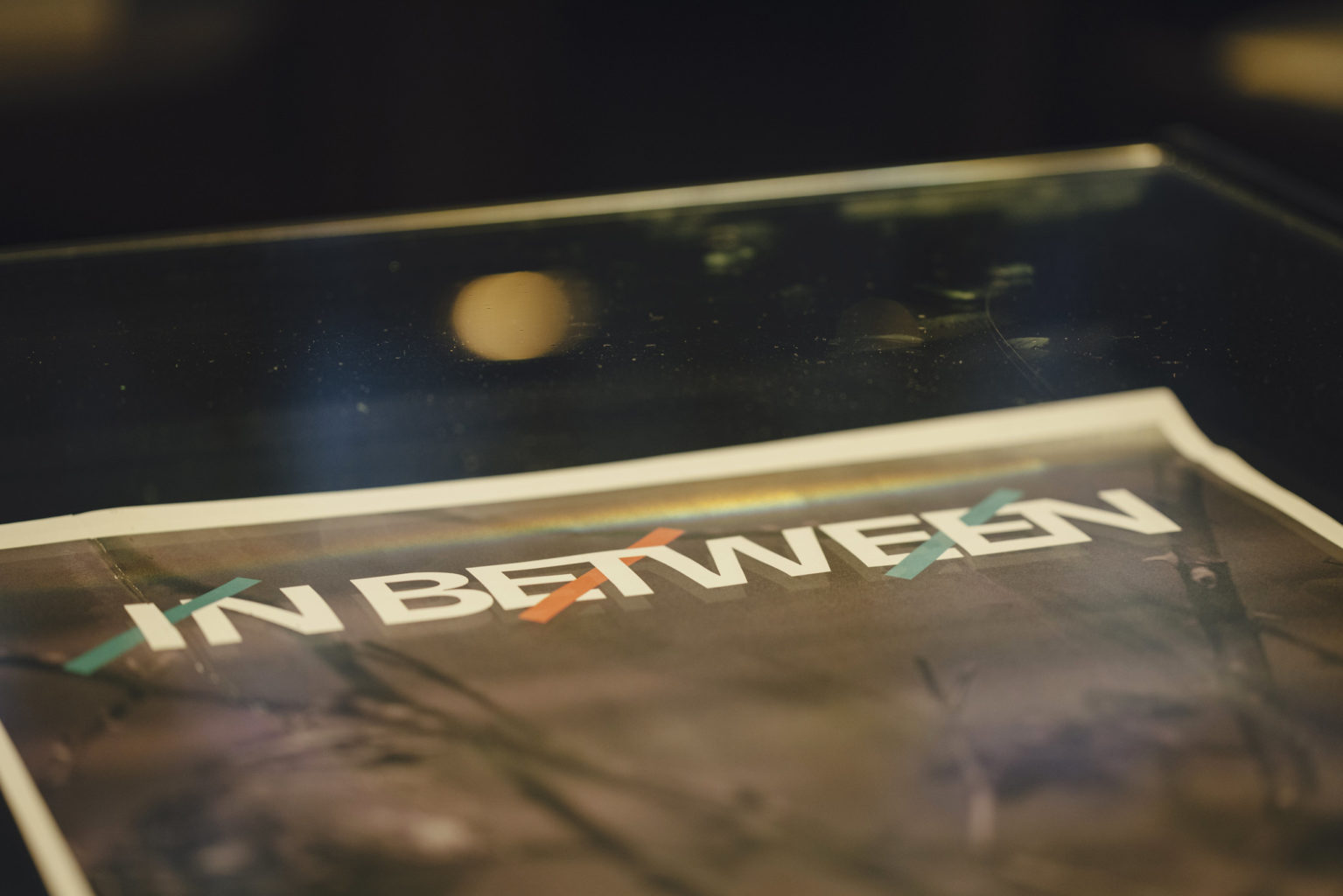
The initiative 'In Between. For mediation in Europe that strengthens communities' aims to intensify a type of cultural mediation that strengthens democracy and citizen participation.
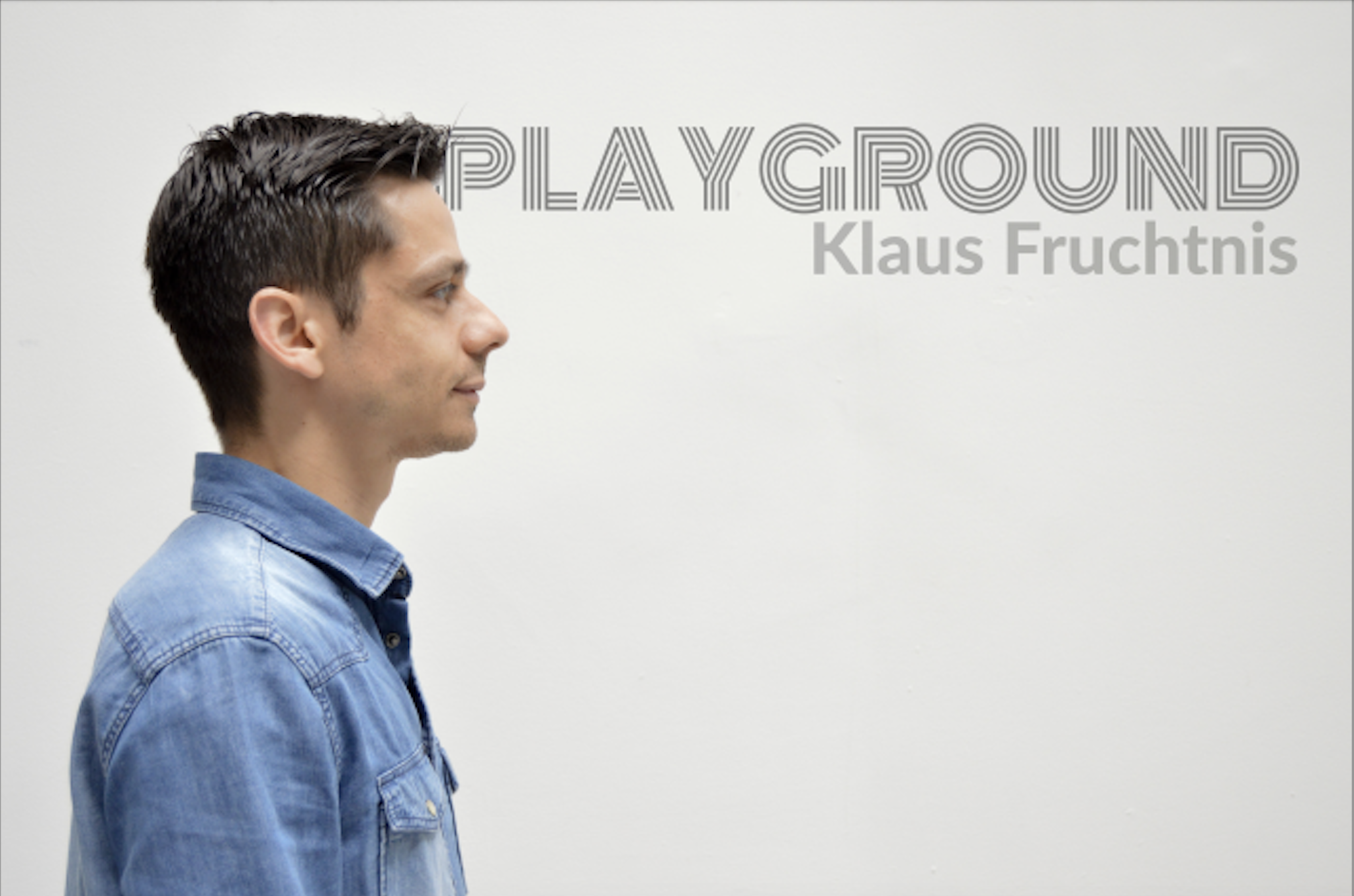
In this exchange in interview format, Klaus Fruchtnis, French-Colombian artist and researcher whose work is characterised by the integration of art with socio-political issues and since 2022 in charge of the ‘Citizen Art’ axis at the Fondation Daniel and Nina Carasso in France, talks to the coordinator of Concomitentes, Fran Quiroga, about the platform ‘In Between’, presented in Seville on 29 November, which aims to intensify a type of cultural mediation that strengthens democracy and citizen participation.
(KF) Artistic mediation, by fully integrating with the cultural and social fabric, overcomes the traditional boundaries of art and production, establishing itself as a vital link in society. This new model distinguishes us from conventional forms of museum mediation, promoting deeper social involvement and generating spaces where art becomes an essential catalyst for dialogue and mutual understanding. By involving people emotionally, we encourage them to reflect and act differently, transcending the institutional context. This approach underlines the importance of practice, process, participation and democracy as powerful tools to intervene socially and culturally, actively encouraging cultural participation.
(CF) Following on from this model of “relationship”, there is also the fetish of the work and the relationship that we are establishing with it as visitors, cultural mediators or artists. It is in this place that we can intervene in this “relationship” and from where we must allow ourselves to think about this type of processes and mechanisms of affectation. To make an exercise of devolution and overcome the distance of unidirectional transmission, that is to say, this generates a change in my life. But what change is it making for you?
(KF) Precisely the mechanisms behind this lasting change are fundamental. In reflecting on how to apply the cultural rights approach to our projects, we are confronted with the question of how to measure or evidence their success. This is where qualitative indicators become essential, reflecting the participatory nature of these projects. We can employ more horizontal and relational evaluation mechanisms, measuring the degree to which people are connected to the process and the specific impact it has had on them. The notion of ‘time’ is crucial in this context, as all mediation requires time to build a relationship of trust, a bridge between two parties, which is essential to humanise discussions and generate new perspectives.
(CF) We are asking ourselves the same question at Concomitentes, with the aim of designing a form of socio-metabolic-artistic evaluation. The aim would be to establish other types of indicators that go beyond the purely economic aspect. We must assume that we have to evaluate ourselves, as an exercise in citizen accountability. This is often annoying, but why do you think we are able to put up with this evaluation without fear or questioning of our work?
(KF) This reflection leads us directly to the impact of innovative projects such as ‘In Between’ on the practice of cultural mediation. This platform not only introduces new methodologies, but also stands out for its aspiration to be replicable in diverse political-social-economic contexts, adapting to the variability of resources in European countries. It is essential to recognise and map the different definitions and practices of mediation in each country, understanding that even semantic differences can add richness to our adaptability. Furthermore, the ‘notion of territory’ highlights the need to adapt our methodologies to the unique dynamics, political cultures and resources of each country.
(CF) The question is that, if “time” is needed, we must be able to make potential funders - administrations, foundations or other agents - see or justify the need for this time, which is what allows us to generate trust and sustain the process. We must generate a clear narrative to vindicate the process, because this is what determines the good work of mediation, it is this way of doing things that determines this social commitment. At the same time, it is important to think about “how” and “what for” these processes allow us to strengthen mechanisms of citizen empowerment.
The In Between platform (https://mediationinbetween.net/) is in fact born as a meeting place for agents, groups and institutions that wish to explore the potential of artistic and cultural mediation. One of the keys to its consolidation is to encourage this virtual space to become a place of reference for research and reflection on these practice-based processes, to problematise and situate them in their complexity.
At the same time, we should be able to promote a training section to put this research into practice. For this bidirectionality of research-practice, it is necessary to promote relations between different countries and to know what is being done in other contexts. Thus, this platform is articulated from two focuses, one of which is the theoretical reflection on the scope and tensions of cultural mediation and how citizens can and should lead cultural processes, and the other focus would be on the interchange of knowledge of what cultural ‘mediation’ or ‘participation’ means, with a space dedicated to training.
(KF) It is therefore crucial that ‘In Between’ evolves into a repository of resources, including tools such as the ‘Citizens’ Art Compass' (https://www.fondationcarasso.org/wp-content/uploads/2019/02/La-Boussole-de-lArt-Citoyen-WEB.pdf), developed at the Daniel and Nina Carasso Foundation. This evaluation framework, adaptable to any arts and cultural project, allows us to assess key impacts while promoting their particularities. Such an inclusion would not only enrich the platform, but also provide a valuable resource for the evaluation and adaptation of projects internationally, thus facilitating collaboration and knowledge sharing between different cultural contexts.
(CF) How interesting, it would be great if it could be translated into English and Spanish, I think it could be very useful for us... If you like, Klaus, we can leave the conversation here, we just have to continue along this path that artistic mediation opens up. But, above all, we must continue plotting more encounters like the one we held in Seville and continue working around these reflections so that, between all of us, we can promote more inclusive communities and celebrate difference.
(KF) A pleasure Fran, so let's get on with it.
-
Klaus Fruchtnis is a French-Colombian artist and researcher whose work is characterised by the integration of art with socio-political issues. He has made his mark internationally through his projects focusing on participatory and collaborative art practices, presenting his work in exhibitions and various publications. In academia, Fruchtnis has held significant roles, notably as Vice-Dean at the Paris College of Art, where he was responsible for the implementation of innovative academic programmes and strategies. Since 2022, he has held the position of Head of the Arte Ciudadano axis at the Fondation Daniel and Nina Carasso in France, noted for his expertise in project development, strategic planning and fostering national partnerships. Her career is notable for cross-sectoral work on a global level, demonstrating the positive impact of interdisciplinary collaboration on the future of art and education.
Fran Quiroga is the coordinator of Concomitentes. He has worked for the last 6 years in the network of 8 research groups in agroecology REVOLTA of the USC and UVIGO and has been co-editor of the book «Pensar y hacer en el medio rural», co-published by the Ministry of Culture. He has also been editor and co-author of the publication «Cuando éramos sostenibles» (Fundación Ría, 2021). He has also co-coordinated the Montenoso project, on community management of communal forests, which was a finalist in the prestigious Prix Ars Electronica in Austria. He has recently produced the report «Culture and Sustainability» for the Consello da Cultura Galega and participates as a mentor in the Forum Culture and Ruralities, organised by the Ministry of Culture. He is visiting professor in 5 masters.