

This is how the Repairing the Earth Days went
Meetings to imagine new ways of healing territories wounded by industry and neglect
The conference “Repairing the Earth” was held on 24 and 25 May 2025 in Ponferrada and Barruelo de Santullán, in the framework of the European project "Repairing the Earth". Art Living Lab to Repair the Land, coordinated by the organisation Concomitentes. The conference triggered a profound reflection on the role of participatory art as a tool for reparation in territories marked by industrial legacy, extractivism and abandonment.
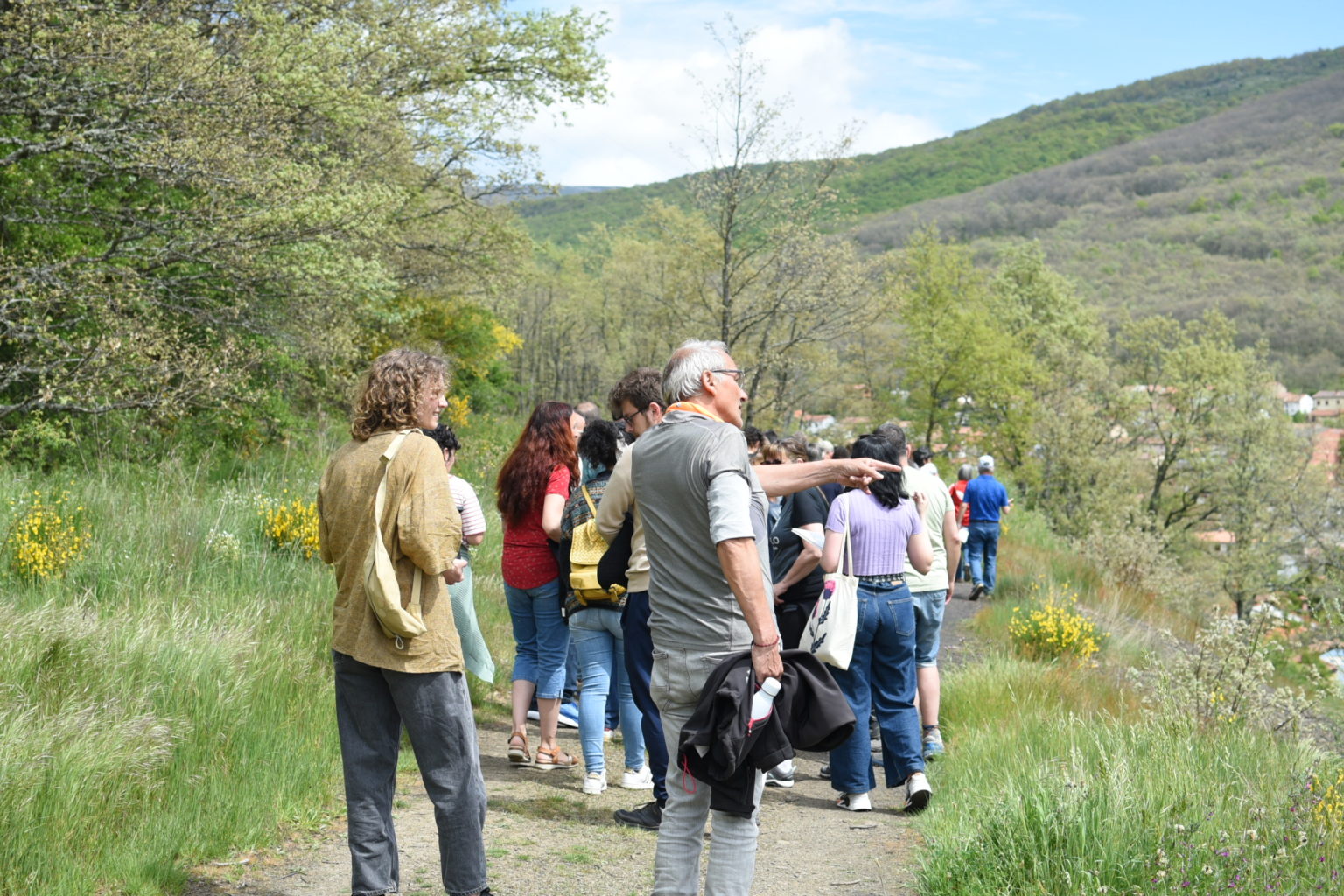
The first day took place in La Térmica Cultural de Ponferrada, The event brought together artists, researchers, mediators and inhabitants of the territory to share knowledge and experiences around the idea of reparation. The event opened with an intervention by Fran Quiroga, who proposed a critical reading of the need to reassemble knowledge - both technical and popular - in order to address the damage caused to territories by centuries of exploitation. He was followed by Mario Pansera, The report was followed by a post-growth vision of the right to reparation as a foundation for a democracy in which communities can build more just futures. Subsequently, Belén Sola introduced the concept of autoethnography as a collective tool to understand the wounds of the territory from the lived, the intimate and the shared.
The day concluded with a round table discussion with the participation of the following participants Sonja Leboš from Croatia, Susanne Burmester from Germany and Alfredo Escapa from Spain. Through the presentation of their projects, we were able to see how the post-industrial territories in which they work share not only environmental and social issues, but also the desire to re-imagine themselves through culture and collective action.
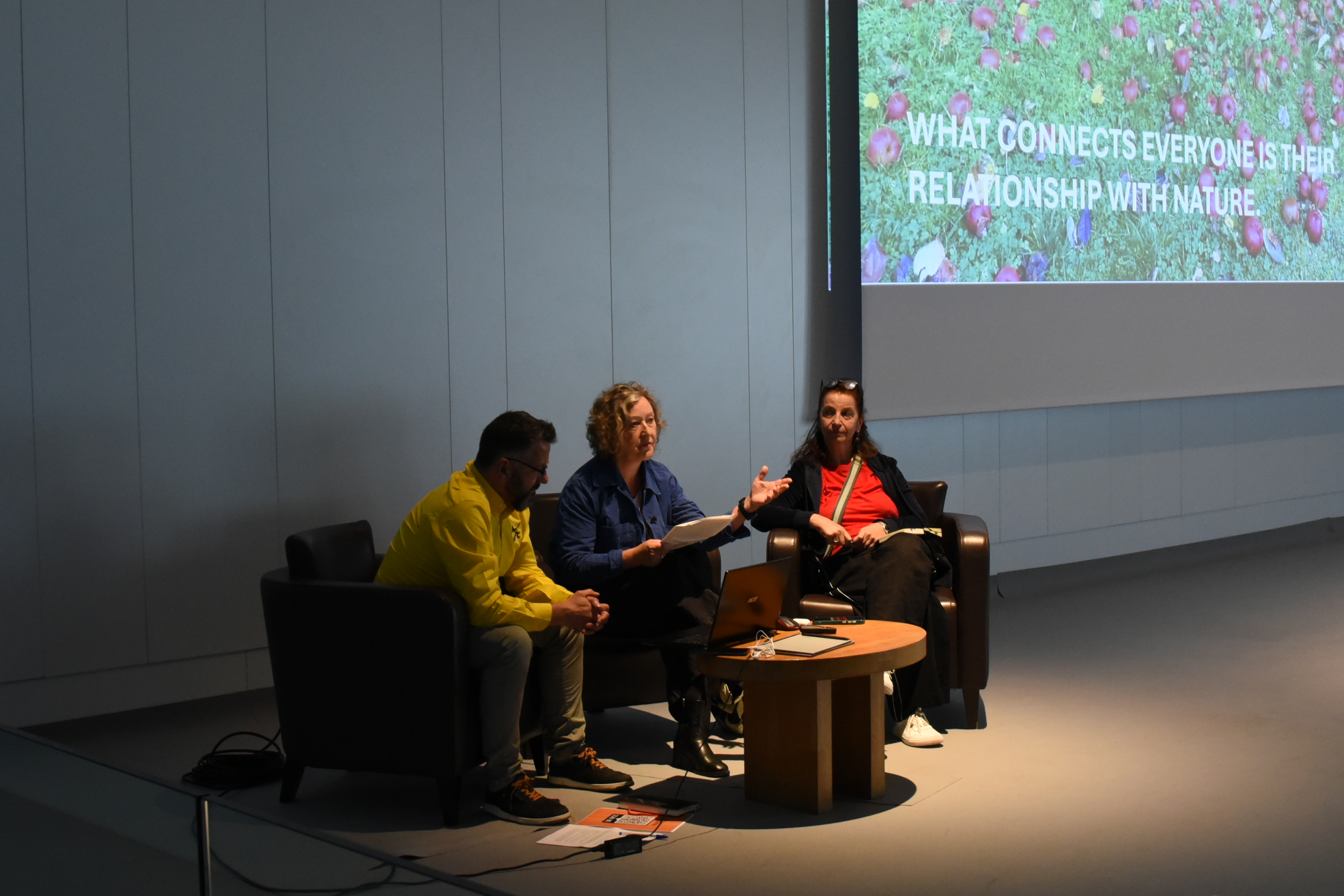
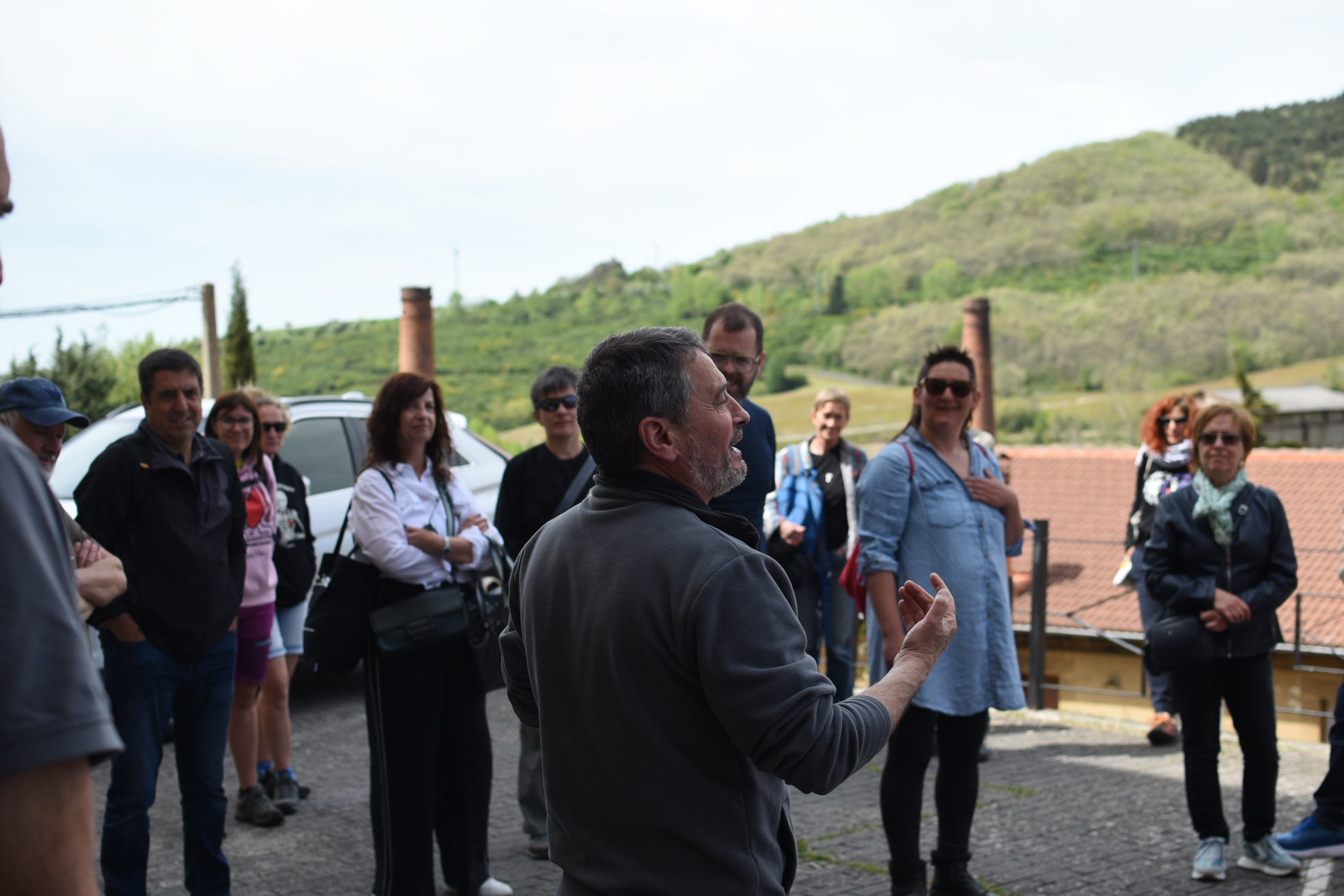
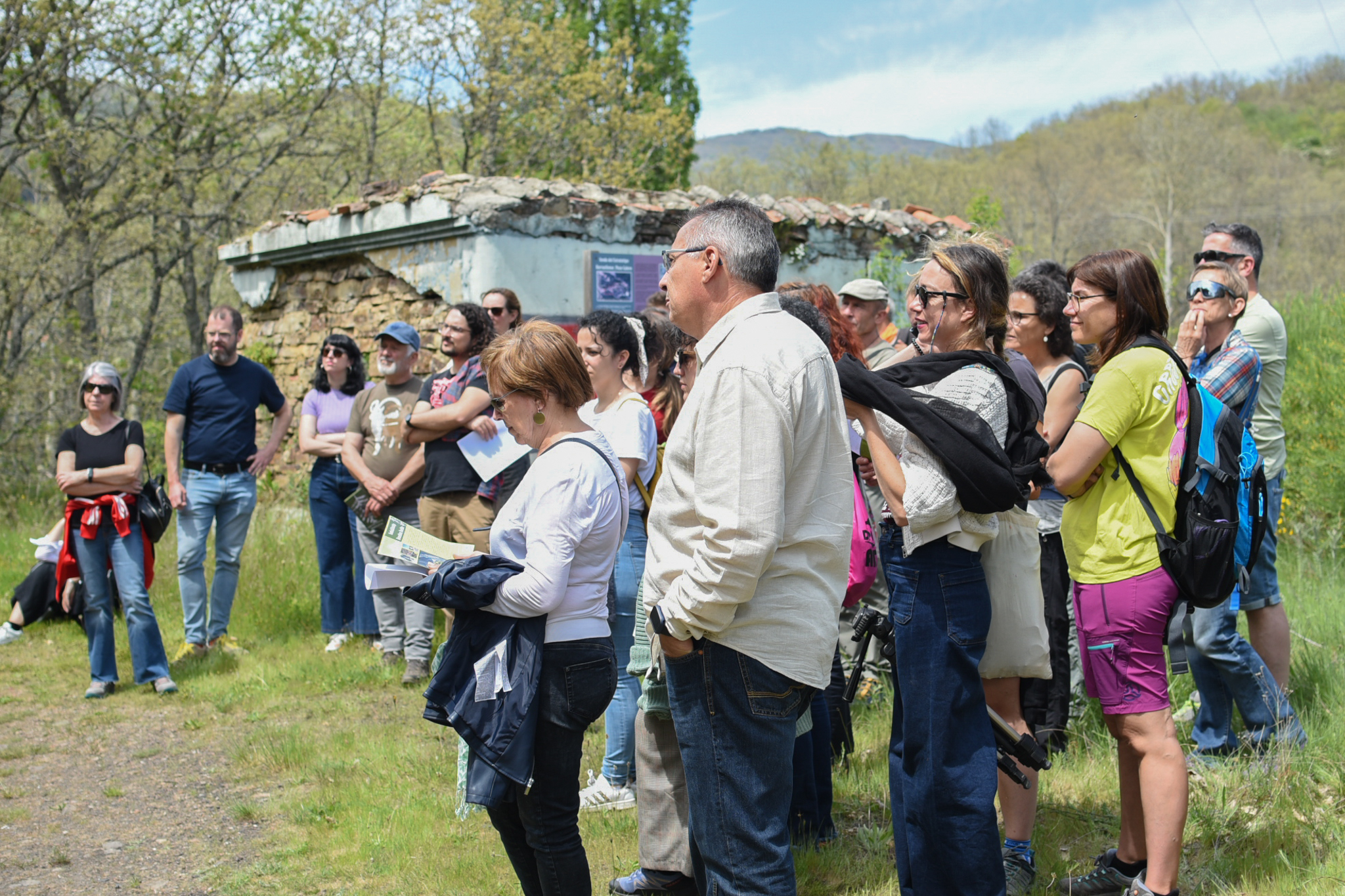
On the second day, in Barruelo de Santullán, an immersive experience took place in the territory itself. The meeting point was the Mining Interpretation Centre, where Fernando Cuevas offered a guided tour that contextualised the mining history of the municipality and explained the work of the institution as well as the material conditions under which it works. From there, we toured the abandoned industrial area of the village together with members of the project “Secuelas Energéticas”, coordinated by the mediator Alfredo Escapa.
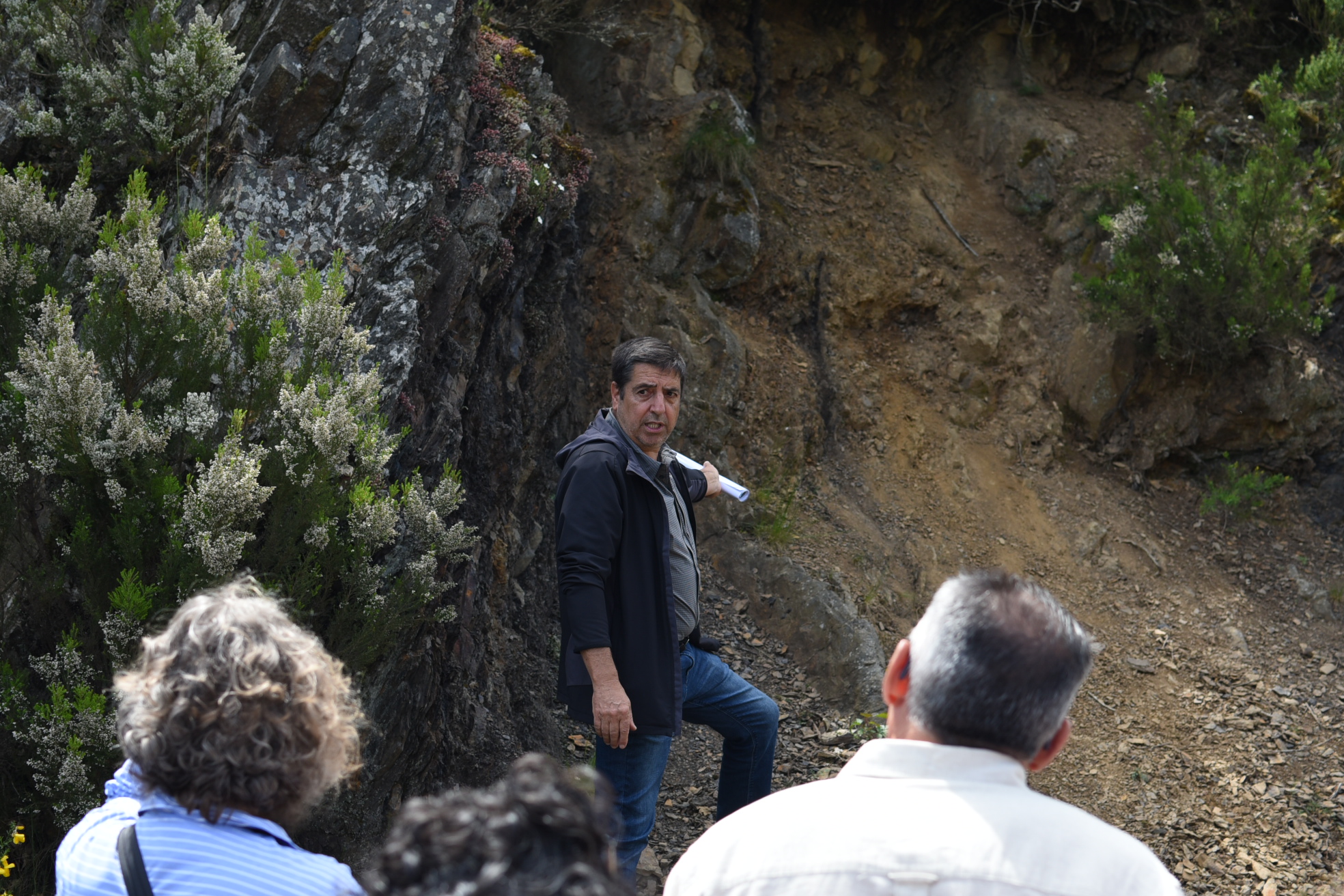
Later, José Luis Ruiz, member of ARPI, led a walk through the Barrueliense Stratotype, which gave context about the geological heritage of Barruelo de Santullán that connects the memory of the subsoil with the human history of the place.
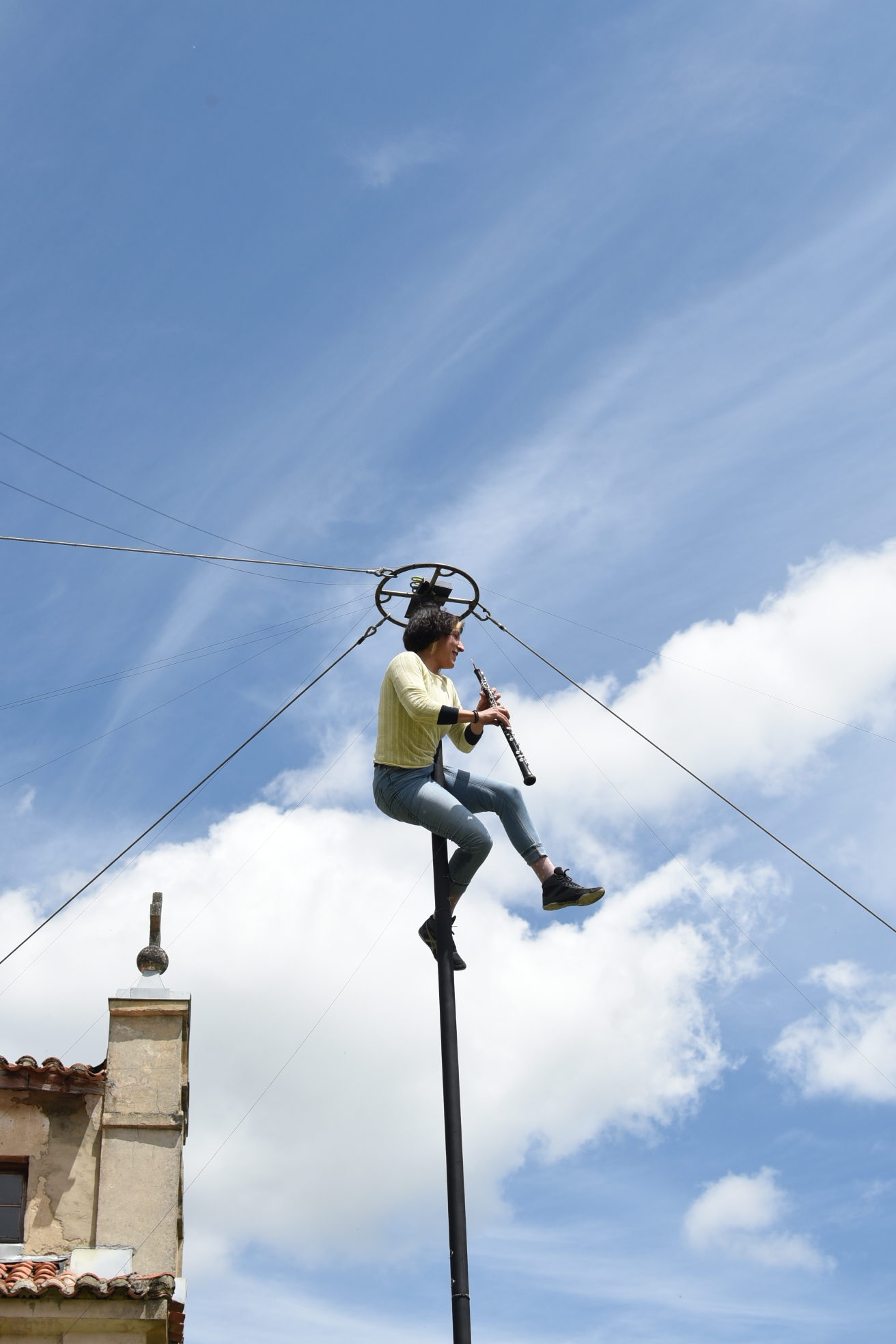
Finally, the Niñas Malditas Collective presented a performance that ended the day.
Throughout the two days, a fertile dialogue was woven between critical thinking, artistic practices and local knowledge. “Repairing the Earth” was conceived as a bid to open up collective processes that involve communities in the reconfiguration of their landscapes, memories and futures. Beyond the speeches, what remained was a shared feeling: the possibility of repairing not only the land, but also the links broken by decades of extractivism.