

Notes for further thinking about the future of cultural mediation
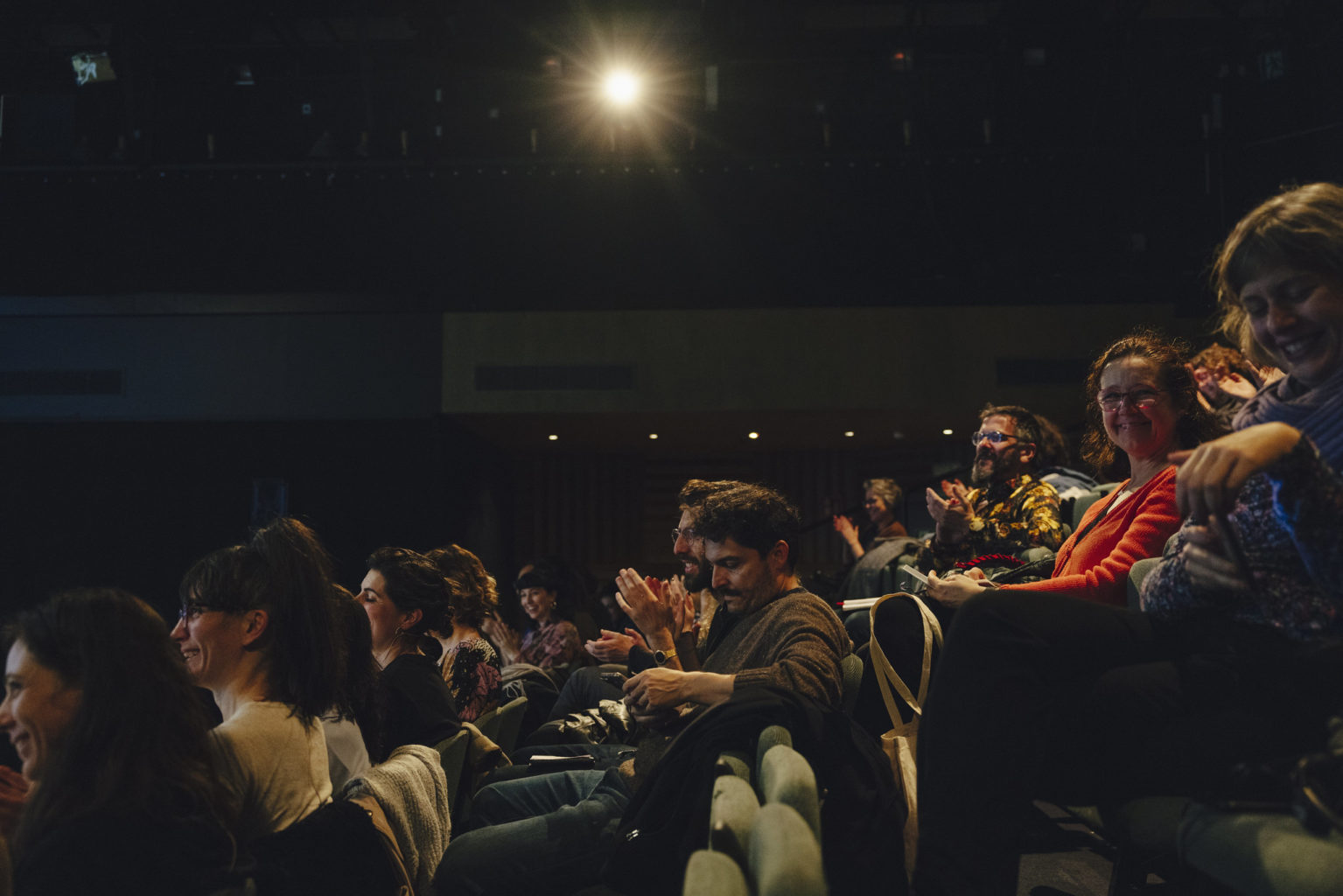
The first In Between meeting, which took place in Seville last November, sought to promote a model of cultural mediation in Europe as a fundamental pillar of cultural policies.
The past 30 November the Teatro Central in Seville hosted the first meeting ‘In Between. For mediation in Europe that strengthens inclusive communities’.’, -and supported by Concomitentes and ZEMOS98-, and supported by the Spanish Presidency of the Council of the European Union y Spanish Cultural Action-which seeks to promote a model of cultural mediation in Europe as a fundamental pillar of cultural policies and thus position this type of participatory artistic practice.
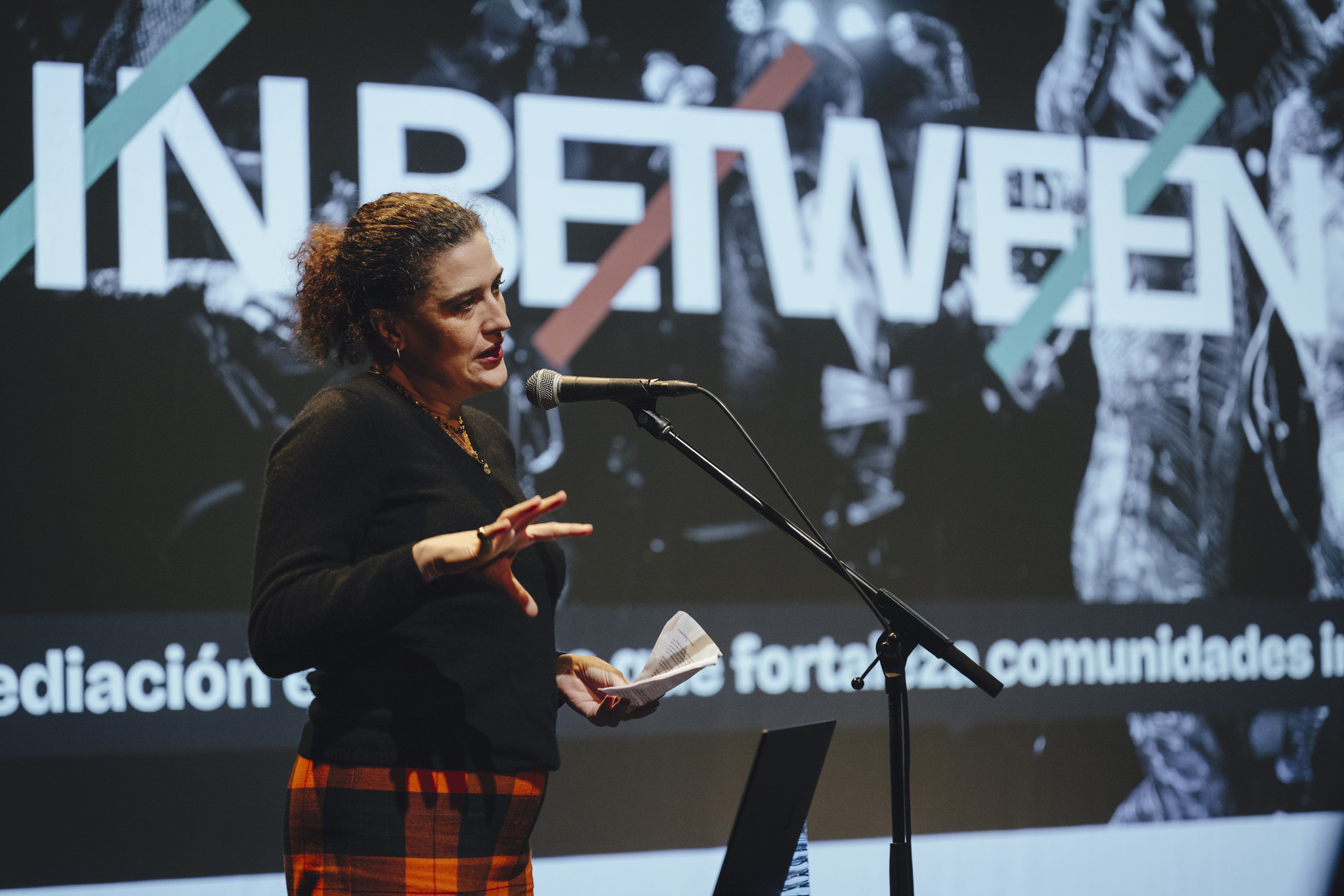
The main conclusions of the day, and which will set the roadmap for the ‘In Between’ project in the coming months, were based on the difficulty of name the professional who carries out the cultural mediation: Curator o commissioner, mediator o cultural worker with the community... The complexity of this practice begins with the difficulty of naming the professional who develops it. In this sense, perhaps it is not so urgent to name it, but rather to focus on the practice itself and the ways of doing that sustain it.
Placing communities at the centre, enabling encounters, fostering listening and dialogue to negotiate and reach agreements, strengthening citizens' agency and claiming the potential of the sensory regime brought by art are ways of doing that define the cultural mediation.
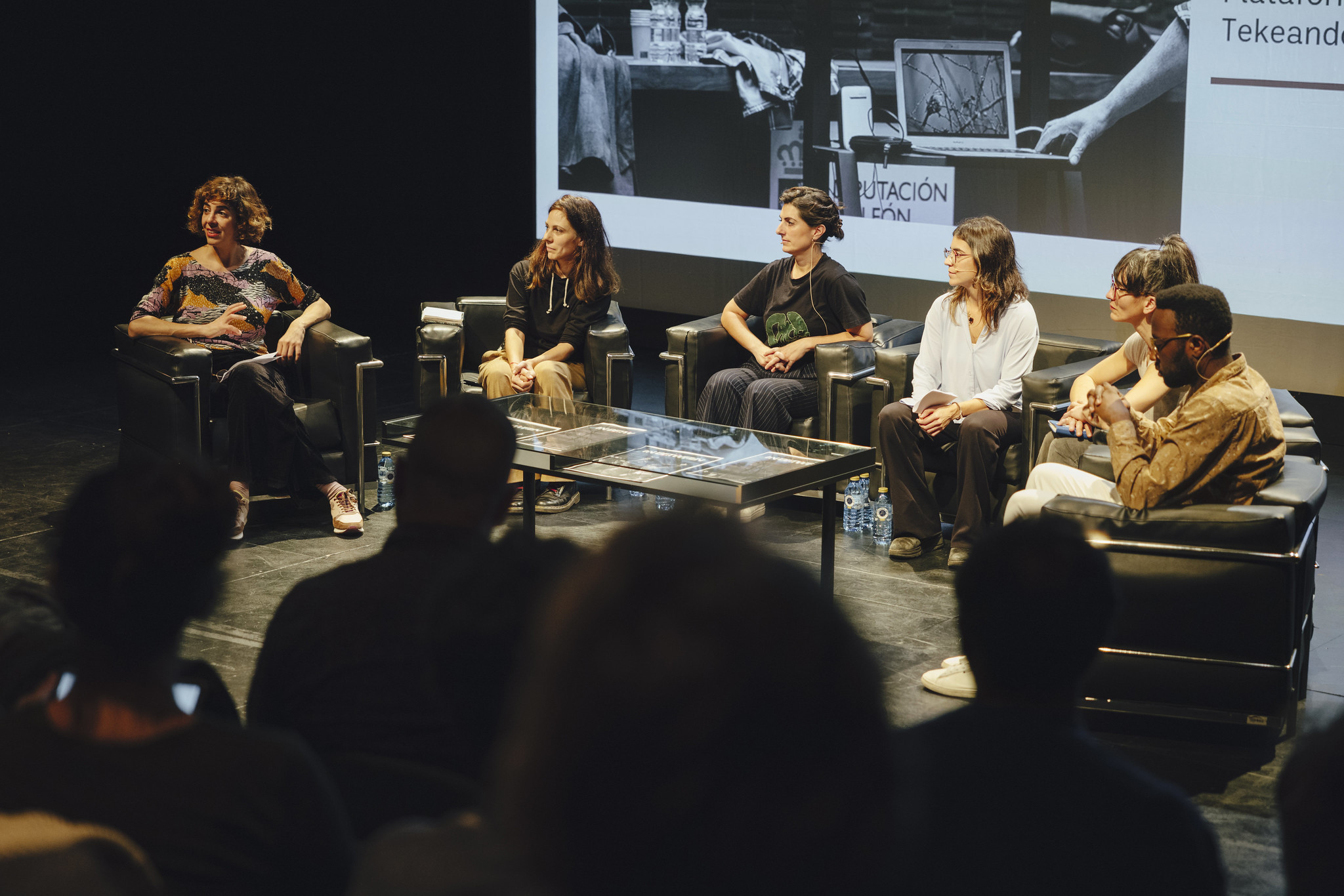
Cultural mediation: artistic, transdisciplinary and participatory
The co-creative dimension of the The practice of cultural mediation is unquestionable: it has as its value that assemblage which is the fruit of open and participatory processes. The generation of spaces for enunciation allows this encounter to open up, so that those who wish to do so can enunciate what bothers them, what attracts them or what they desire. This place ceases to be just a space for the “I” and becomes a “we”, a place where these collective discomforts are shared.
At the same time that this space for listening and dialogue is generated, the creative freedom of the artist must also be respected, guaranteeing a comfortable space for creation that opens up a dialogue between all of them, in which each one, with their roles and know-how, can contribute their grain of sand to mitigate that which hurts us or intensify what we want.
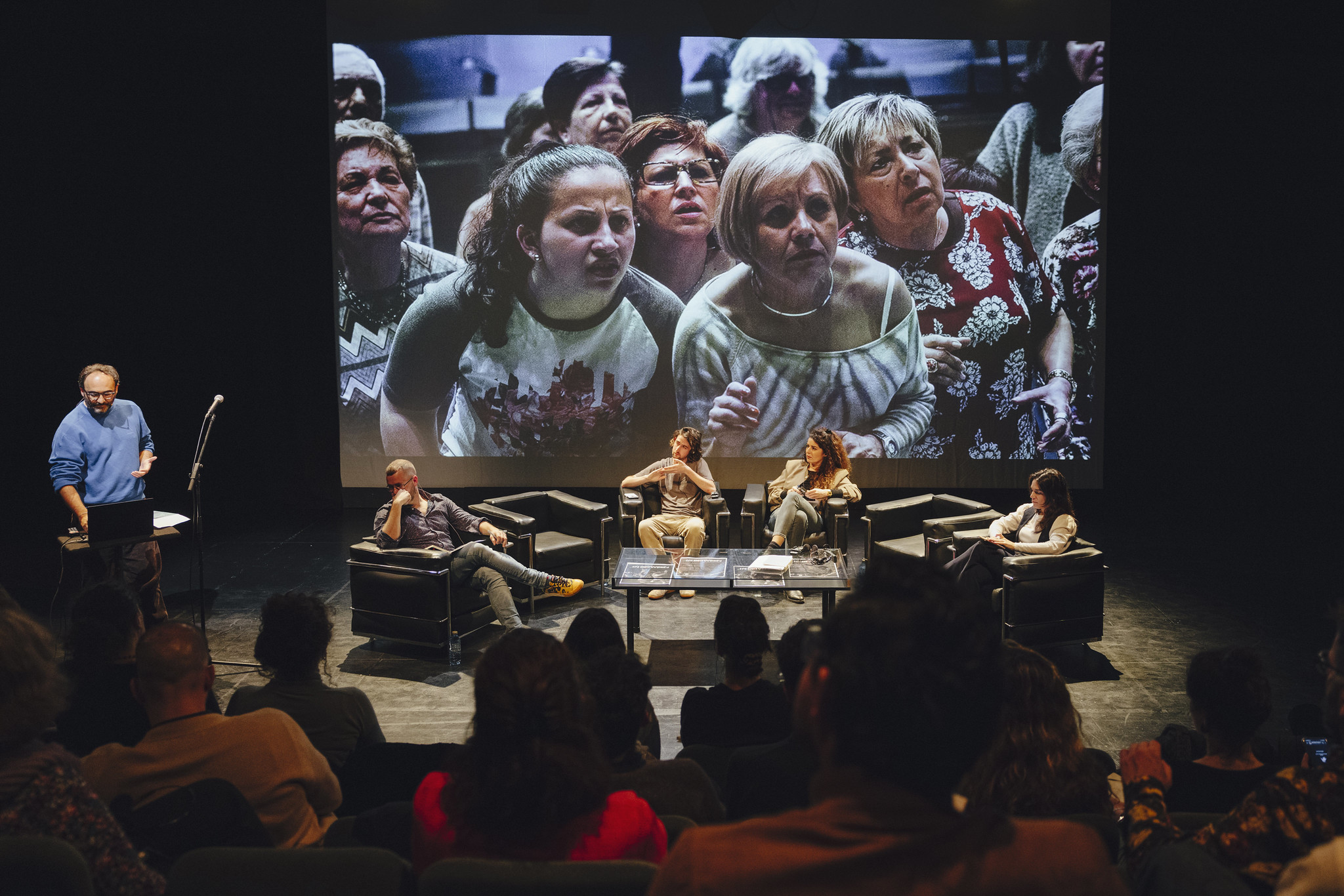
It is relevant to think that, for a good development of the practice of mediation, clear communication and language must be generated to facilitate work dynamics that promote discussion and exchange. It is also necessary to value and study the legacy that remains beyond the final artistic work, as well as to materialise these forms of shared ownership.
What remains of mediation if it is not recapitulated: the evaluation for closure
Finally, It would be necessary to generate evaluation mechanisms that help to improve processes and make achievements visible. What is measured and how? These are two of the great challenges facing cultural mediation. We need data and narratives that show the impacts and, above all, address those legacies that remain, which are not only production of objects, The aim of the project is not only to provide tools for the strengthening of mutual support networks, but also to provide tools for the strengthening of mutual support networks.
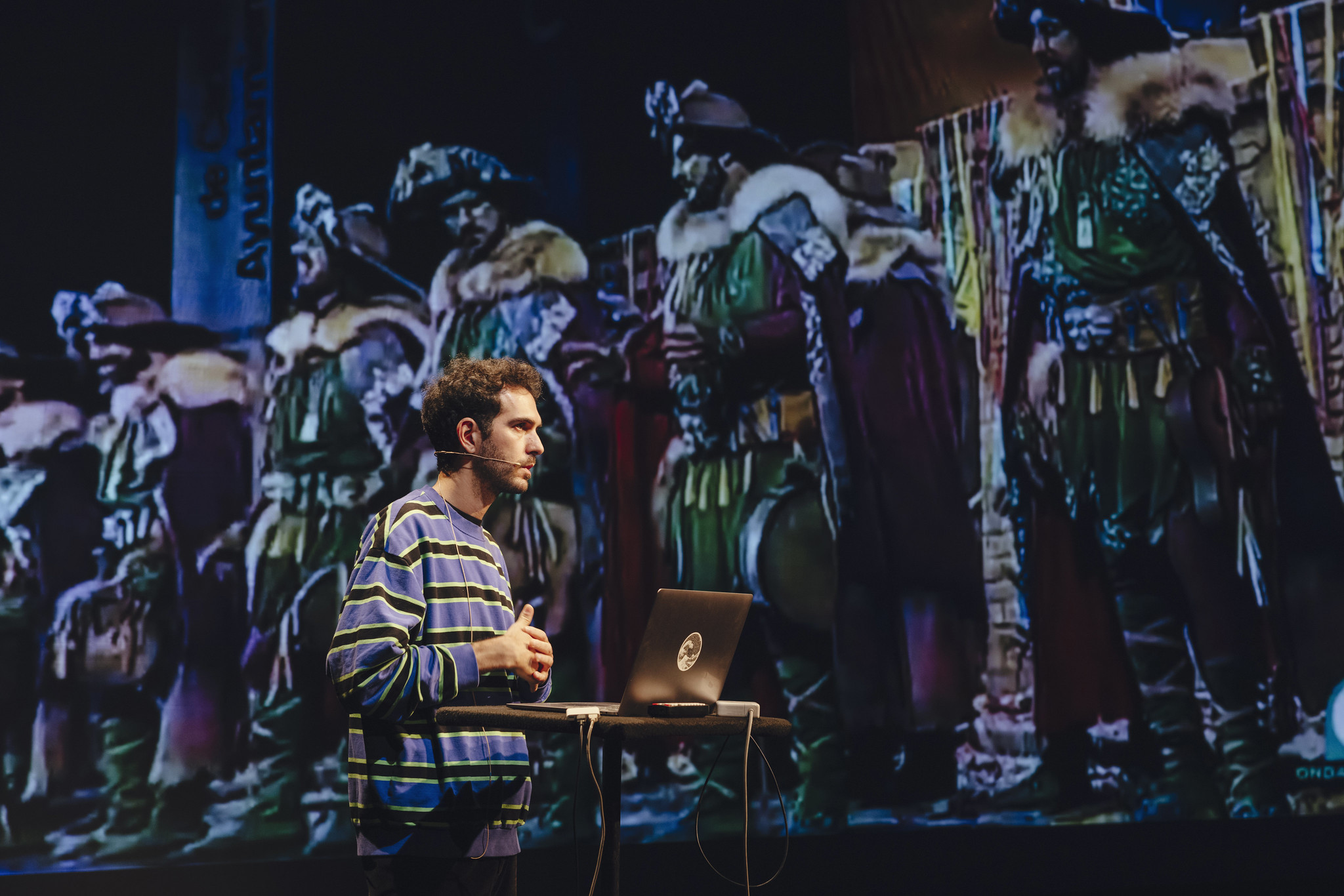
There is only one cultural mediation if it takes care of the citizen agency, If this does not happen, we will be talking about another cultural practice: the strengthening of a critical society is the cornerstone on which cultural mediation is based. Public policies must be at the service of strengthening cultural mediation for its social impact, hence the need to generate forums such as ‘In Between’ to weave together these ways of doing culture and art together.