

"Generating communities that can respond to environmental challenges from the territory is fundamental to achieve this cultural change".
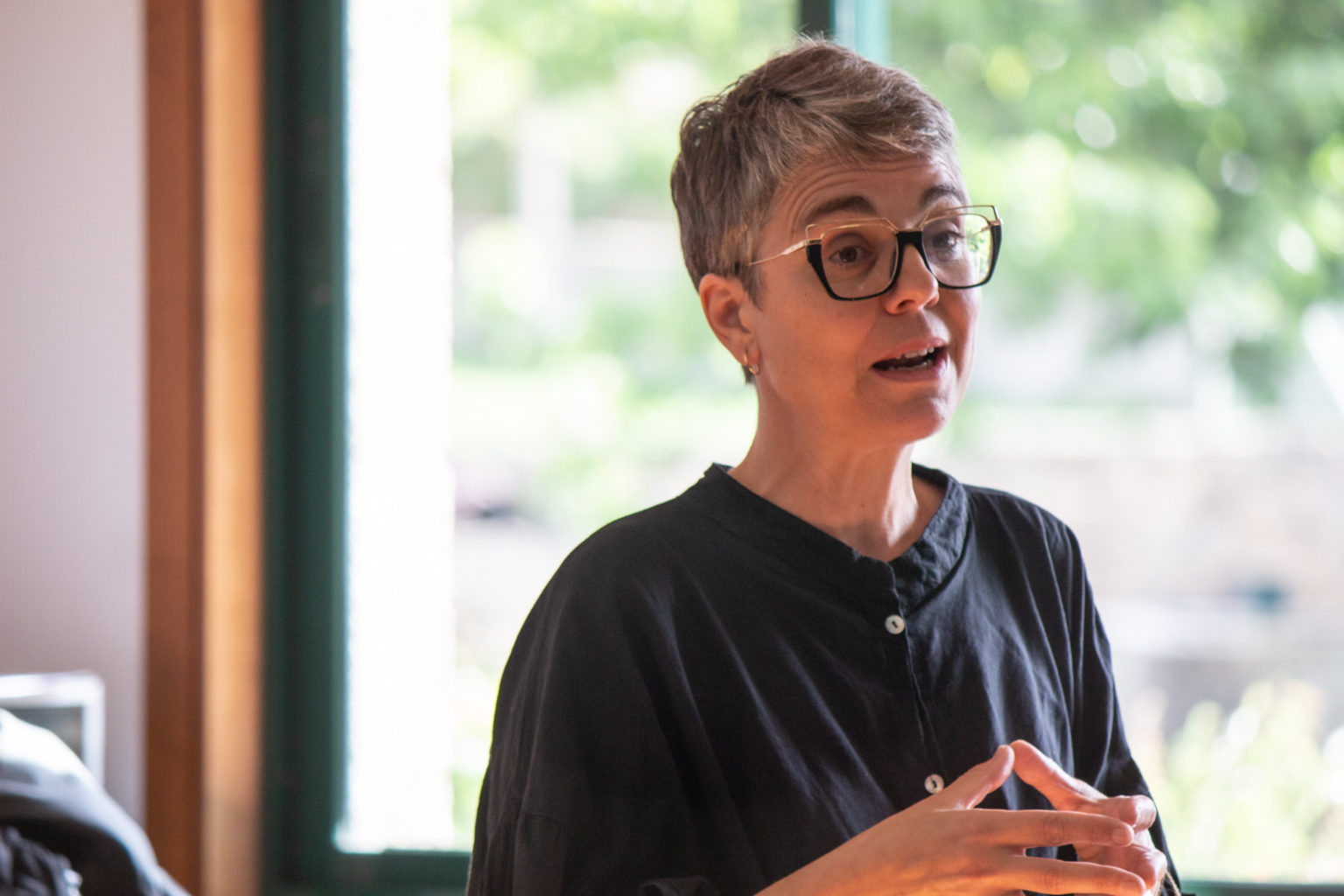
Interview with the mediator of 'Tierra Común', Natalia Balseiro, who tells the key points of the mediation process developed in Couso.
The community of Couso seeks to convert the forest into a resource of multifunctional value and an inexhaustible source of resources to achieve a forest with greater environmental value and a more respectful environment with native tree species. Against this backdrop, one of the members of the community of this communal forest, Xosé Antón Araúxo, covers in this interview the details of this project and how it complements what is being done in ‘Terra Común’, within the European project. ‘Art Living Lab for Sustainability’.
Tell me about your community project in 'Montes de Couso', what are your focuses and your identity and objectives?
The community was formed in 1984, when the communal forests were recovered from the Franco regime and until then had been in the hands of the local councils. At the moment we are 82 "comuneros", one per house, which is what the law allows, and all of us who are in these "communal houses" participate in the decisions of the assembly.
We have been in the board since 2008, we believe that the forest has a brutal potential, it is not only to produce eucalyptus and pine, but there are more alternatives that can be offered, betting on a multifunctional forest, with educational projects, leisure and other alternative timber and other products.
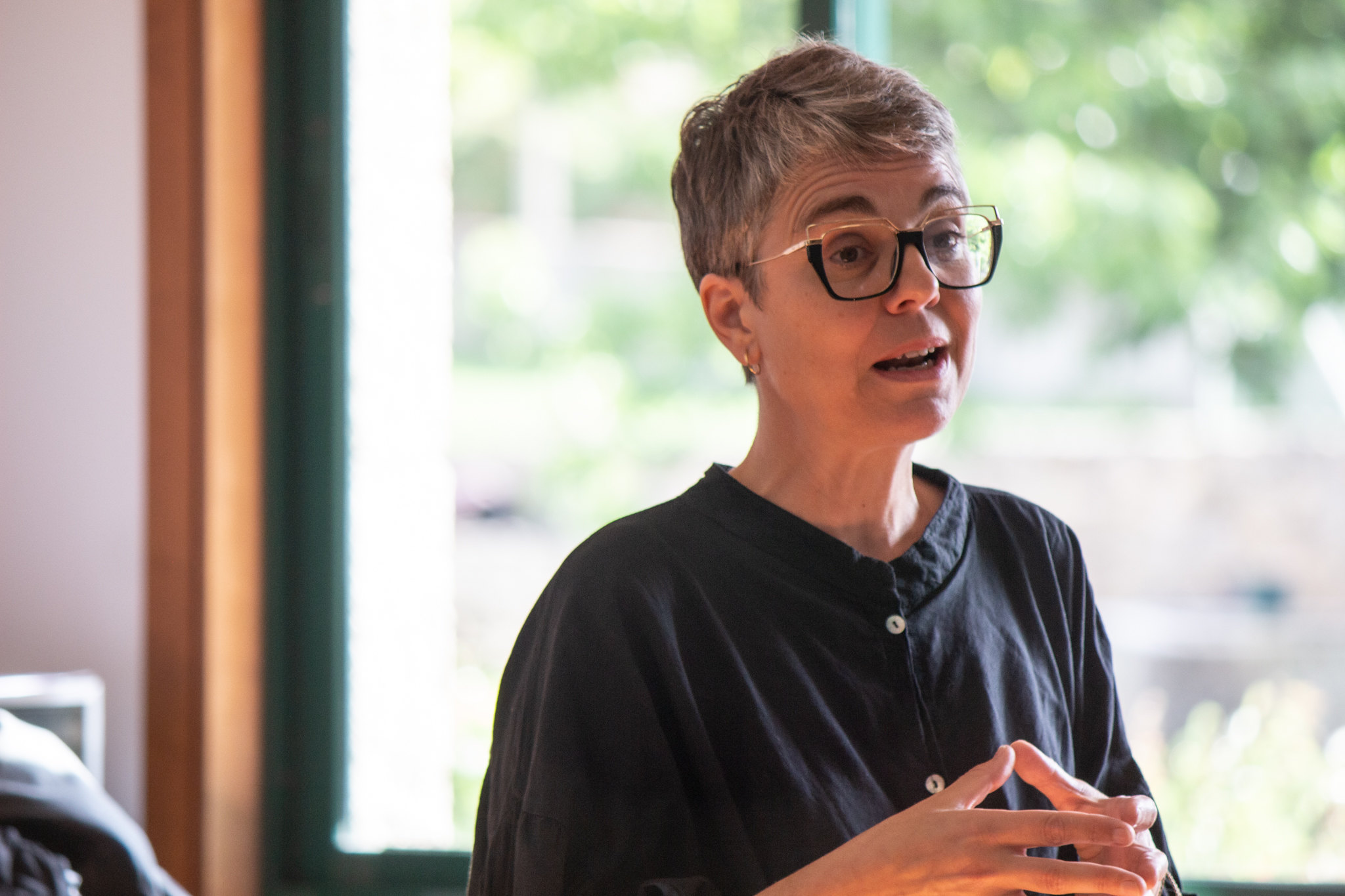
At what point do you become the mediator of ‘Common Ground’?
My first real contact is to follow up on the project, because I have always found its practice very interesting, I believe that art and culture are indeed an essential tool for the transformation of a society.
In this case, when Concomitentes invited me to be part of the project I was very excited, especially in Couso, a place I have been linked to all my life because my father walked me through its mountains «monte arriba» and «monte abajo».
Apart from this personal and professional connection you have with the project, how do you value the tools of art and culture, i.e. your working tools, to help you face the great urgencies and challenges of today?
The climate emergency and the whole environmental problem we have requires an urgent and rapid response from society. How do we achieve this change? Through a cultural change, which is a change of behaviour, a change of people at the individual level but also of communities at the collective level.
I believe that art and culture help us to approach different problems, challenges and situations in a very unique way and allow us to do things together in a different way.
Therefore, generating communities that can respond to these challenges from the territories, in a more precise and rapid manner, is a fundamental tool for achieving this cultural change.
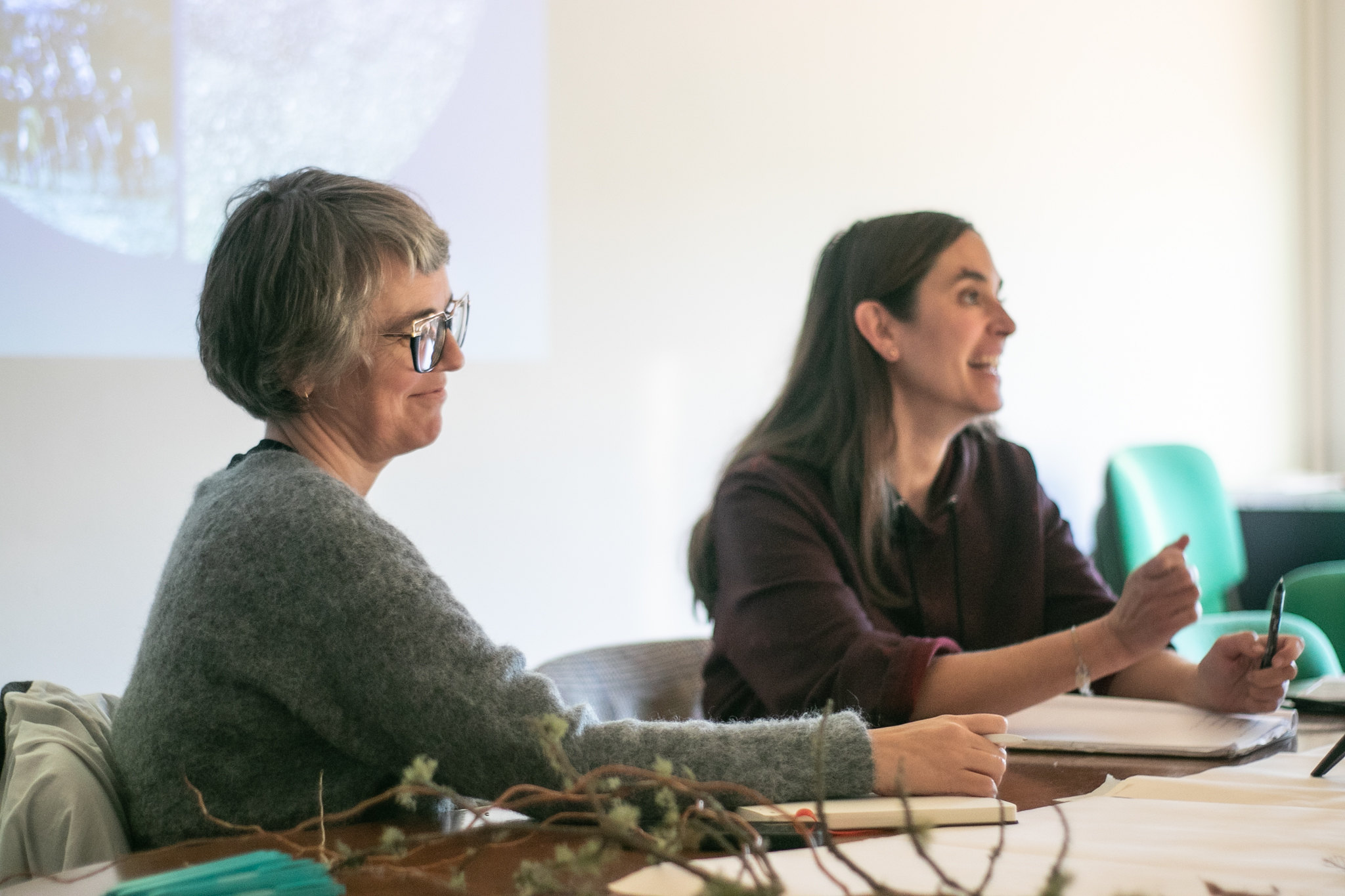
What are the devices, activities and what is happening in ‘Common Ground’ within your mediation?
We use different methodologies, from walks in the bush to recognise the territory, to get to know the projects well, to listen to the memory of the people and all their knowledge, among others that come into play in processes of this type.
Processes where, in reality, all the information comes from them, we only provide methodologies so that they can analyse it from another perspective and open up new fields. So, we have generated conversations, we have written and we have shared it with readings out loud, we are going to hold workshops where we will invite people from other territories to share other knowledge about the commons related to communal forests.
The methodologies are very diverse and have to do with what we were talking about before: How to approach the issues and do it from another place in order to have collective experiences.
What has been the reception of these dynamics by the group of clients?
The response has been very positive, because they really are already a community and have been for many years. They work together on a common, highly developed project that has many, many layers and a great deal of complexity.
It is a very complete project, both culturally, economically and socially, which has a great impact on the territory. So it is a community that has already been created and is already functioning, so working with them is very easy.
What tools did you bring in your suitcase and do you bring to the project?
Mediation is perhaps one of the most complex professions, as you have to have a long working experience to develop a process with very diverse communities, with people with different capacities, needs and using different methodologies. You have to know how to listen, to gather, to link, to ask questions...
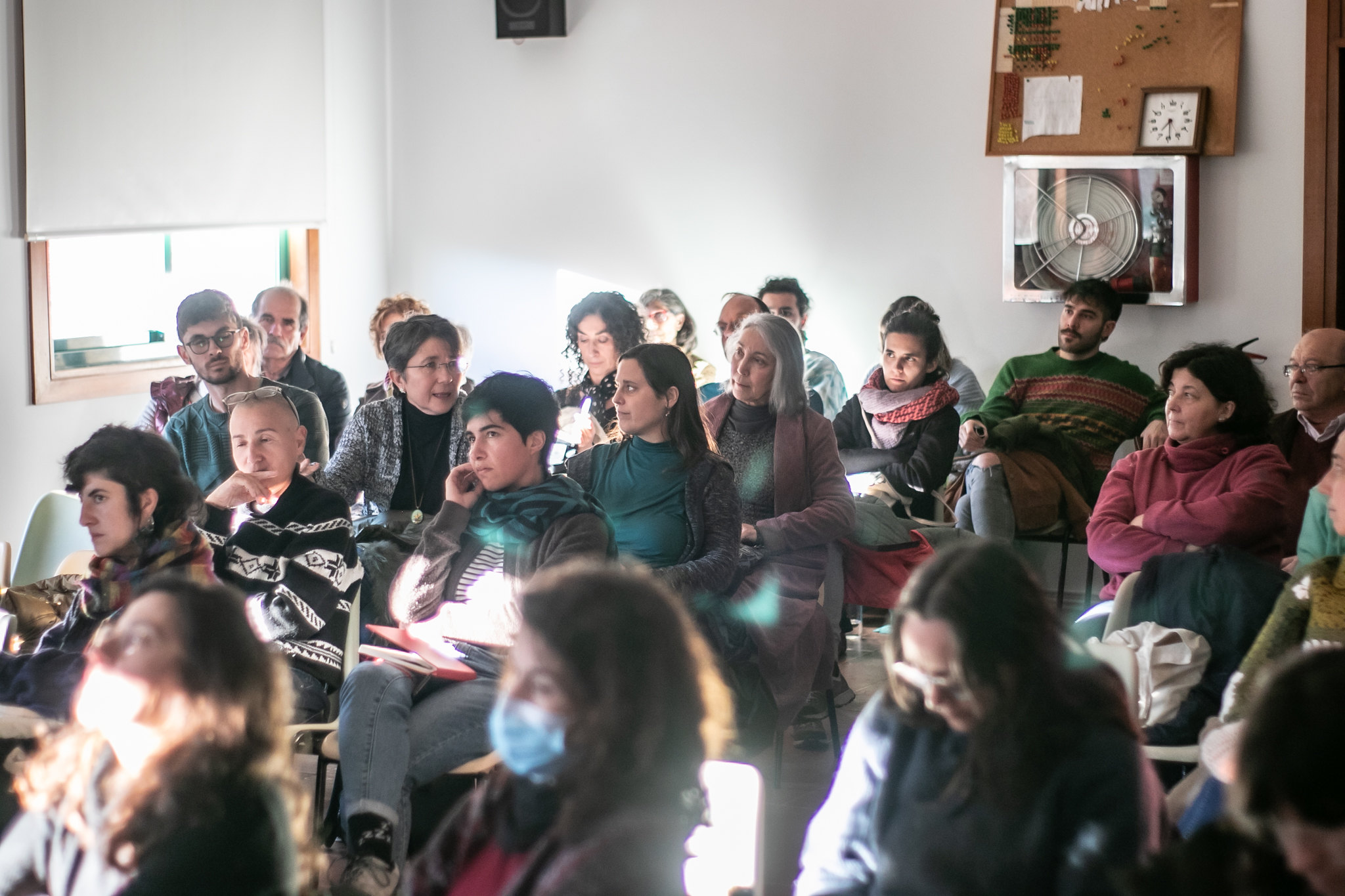
And which ones are you developing as this process progresses?
How they work as a community is what I learned the most. This way of working in the forest community is not only practised within the forest community itself, but also in the community of Couso. This is making some young people come to live here, because there is a very interesting way of living and sharing life and the territory, of taking care of it and of mutual help. There is no better way to learn than to get to know this reality in depth.
If you were to visualise the mediation's calendar of upcoming actions, which ones would you mention?
After today's meeting, our idea is to have another one with the families of the nursery school here, some of these families are also community members and we believe it is very important to know what their relationship with the mountain is and the relationship they want to have with the mountain.
And the challenges of this same process?
One of the big problems in these projects is generational change. For this reason, involving children in the community from an early age is important. The idea is to make progress in order to bring out the common desire they may have and define where they want to take the artistic proposal and intervention.
And what are the approximate start-up times for artistic production?
Our idea is, more or less, around the month of September, to be able to draw up the letter of commission to the artist and start working with the person to be defined from September or October onwards.
How to manage the expectations of such a consolidated group with such a well-defined project so that they do not coerce the process that can be contributed from Concomitentes?
All of this is done through the methodology, what we have to do is listen to them, they are the ones who have to decide what has to be done. We have to accompany them and help them to make that wish come true. That is our job and a super challenge.