


Elena Cabrera: "Getting to know the Paediatric ICU through the great carers, who are the nurses, will prepare us for life".
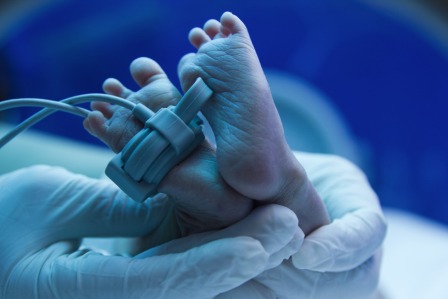
We interviewed the head of the first project of our concomitance in the Paediatric ICU of the hospital Nuestra Señora de la Candelaria in Tenerife.
What is your relationship with radio, the podcast, when did this love story begin?
Like so many other things that make up the soundtrack of our lives, my fascination with words, journalism and radio, three of the four pillars that have made me what I am, comes from the impregnations of childhood. Impregnations of memory, to call in a poetic way the formless and disordered matter of the absence and presence of distant memories. My father used to play the radio all the time. We would change stations according to the programme we wanted to listen to. Sometimes we explored the noise of the dial. Once we found the Water chain and it broke my mind about what radio could or should be. On the other hand, at my school we also had a radio station and for me it was fabulous, the best thing in the world. A few years later, in 1989 or 1990, in those FM searches, which were like launching a boat into the open sea in the middle of the night, I found a sound environment, an air, a tone, a music, much more similar to Cadena del agua than to Cadena SER. Unlike the one from the water, which sounded like lightning, this one sounded clean and crystal clear. It turns out that they were broadcasting very close to my house. It was Radio Carcoma, one of the pioneering free radios in Madrid. After listening to it for months, one day I saw some posters on a wall in my neighbourhood encouraging anyone who wanted to take a workshop and join the station. I tore off a little corner with the telephone number and address. One day I went by, I wasn't even 16 yet. That's how the story began.
Do you consider podcasting to be art?
I suppose that to talk about the beauty of podcasts and radio is to fall into a bag of commonplaces that we all agree on and from which it is very difficult to escape, because they are obvious things: with radio you can close your eyes and see things, you have the feeling that they are only talking to you, when you speak in front of a microphone you feel that you are broadcasting a message that is going to reach someone's ears through those channels of intimacy. And then there is the fourth pillar of my life that I didn't mention before and that is linked to the importance of podcasting and radio for me, which is music. I discovered that there was music (not all music) that drove me crazy on Radio Carcoma. So the conjunction of radio and music just clicked then.
«Radio and podcasting are like racing cars for music: fast, crazy, unpredictable transport».»
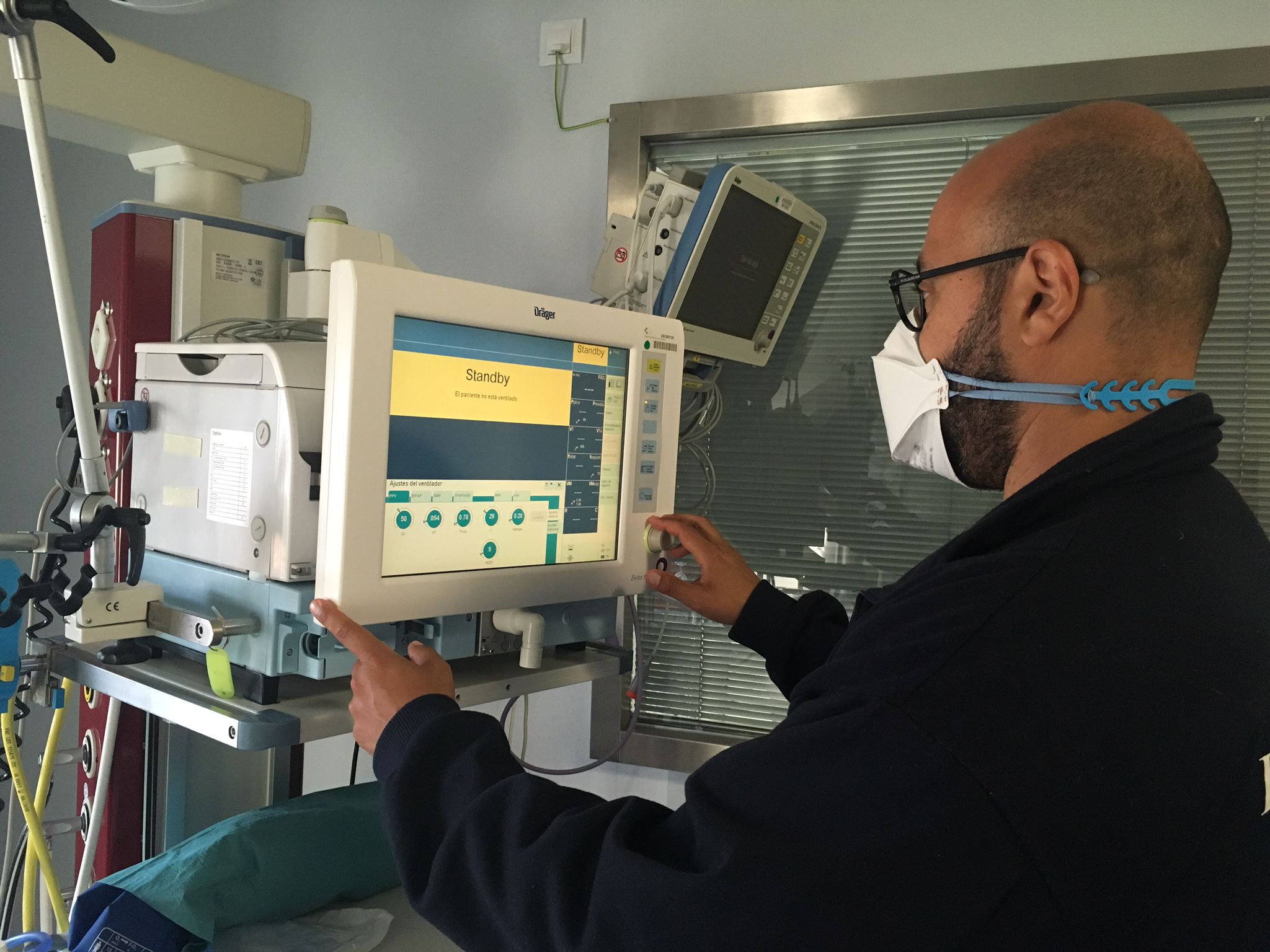
What is it that attracts you to tell stories that happen around a paediatric ICU or healthcare environment?
There are places that are shown to us on the maps of our society as black boxes. Impenetrable. Compact. You can't miss them, but you can't get through them easily either. For a journalist, these black boxes are important, because they seem to be magnetised and mysterious. Obviously, they contain a story. An Intensive Care Unit is a black box where very intense things happen (sorry for the redundancy) that don't come out of it. Imagine a pressure cooker. In an ICU there is usually no time for journalism. Instead, how important it could be, for those inside and for those of us outside, what material that box is made of, what the air that is breathed is like. What goes on in there? What would it be necessary to know about what goes on in there? What can we learn from what goes on in there? Today it is someone else, in this case another child, who is intensively cared for. Tomorrow it could be me, or my child.
«Getting to know the Paediatric ICU through the great caregivers, who are the nurses, will prepare us all better for life. It is a privilege to be able to tell this story».»
Can you tell us something that you have found interesting about what you have worked on so far with our group of clients?
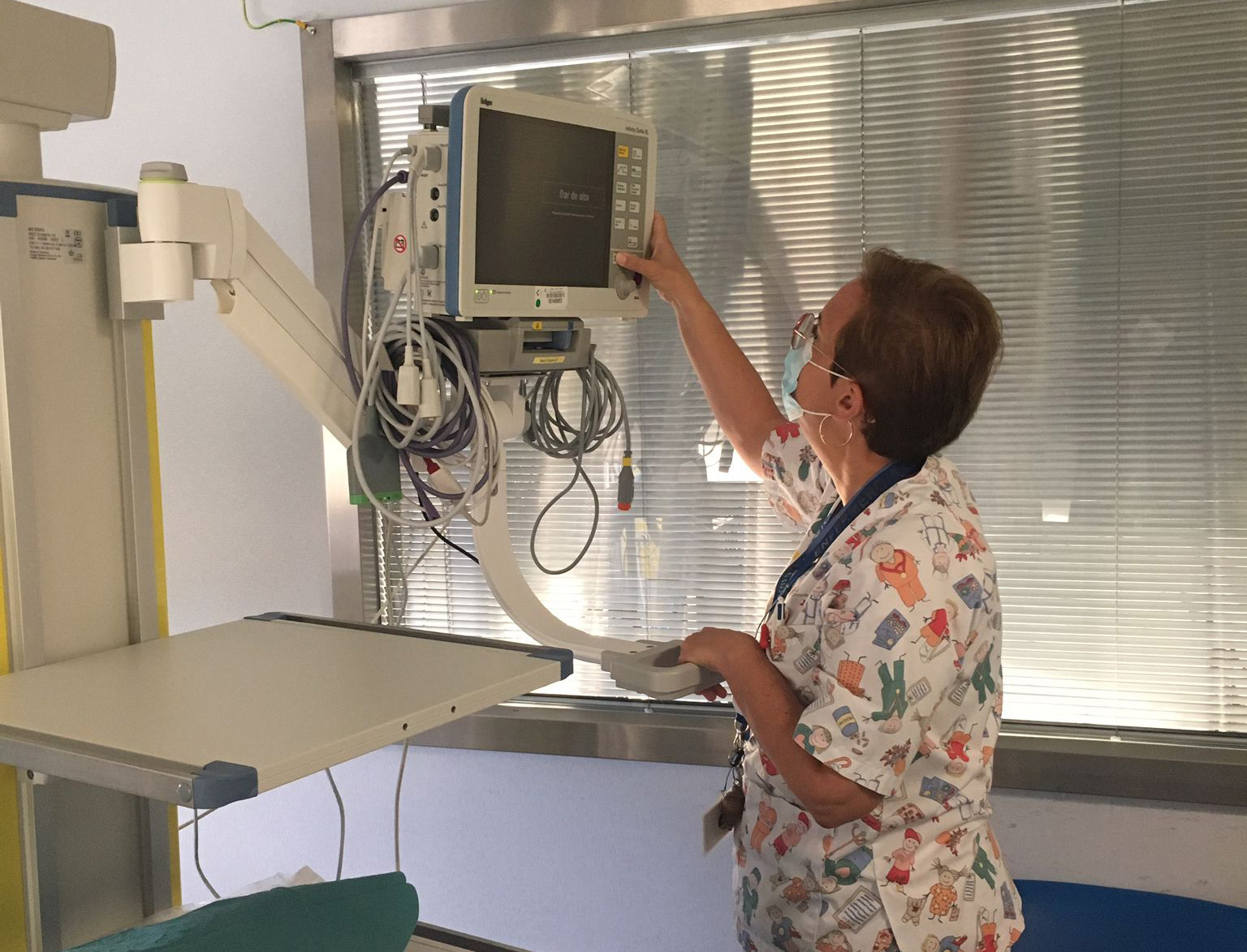
I am very surprised at how little stress they are under! It reaffirms for me that nursing is not a job for just anyone: keeping calm, breathing life into it, providing medical care accompanied by affection, knowing how to treat and carry the children who come in... these are characteristics that come out in abundance. They have voices that soothe and heal and that is part of the story we are going to tell.
Another thing that I found interesting is their involvement in Concomitentes and the time and reflection they have dedicated to thinking about what they do, how to improve it, how to incorporate other perspectives and solutions into the Paediatric ICU that help to take better care of the little patients, to help them live with less stress. You can see that they have given it a lot of thought and for them it is very important. I believe that the Paediatric ICU of Nuestra Señora de la Candelaria will no longer be a black box, but I visualise it as a sponge, porous and soft.
–
She herself will soon be sharing some of her reflections on the process in a short diary. Stay tuned.