


"Humour is a wonderful tool for managing difficult situations".
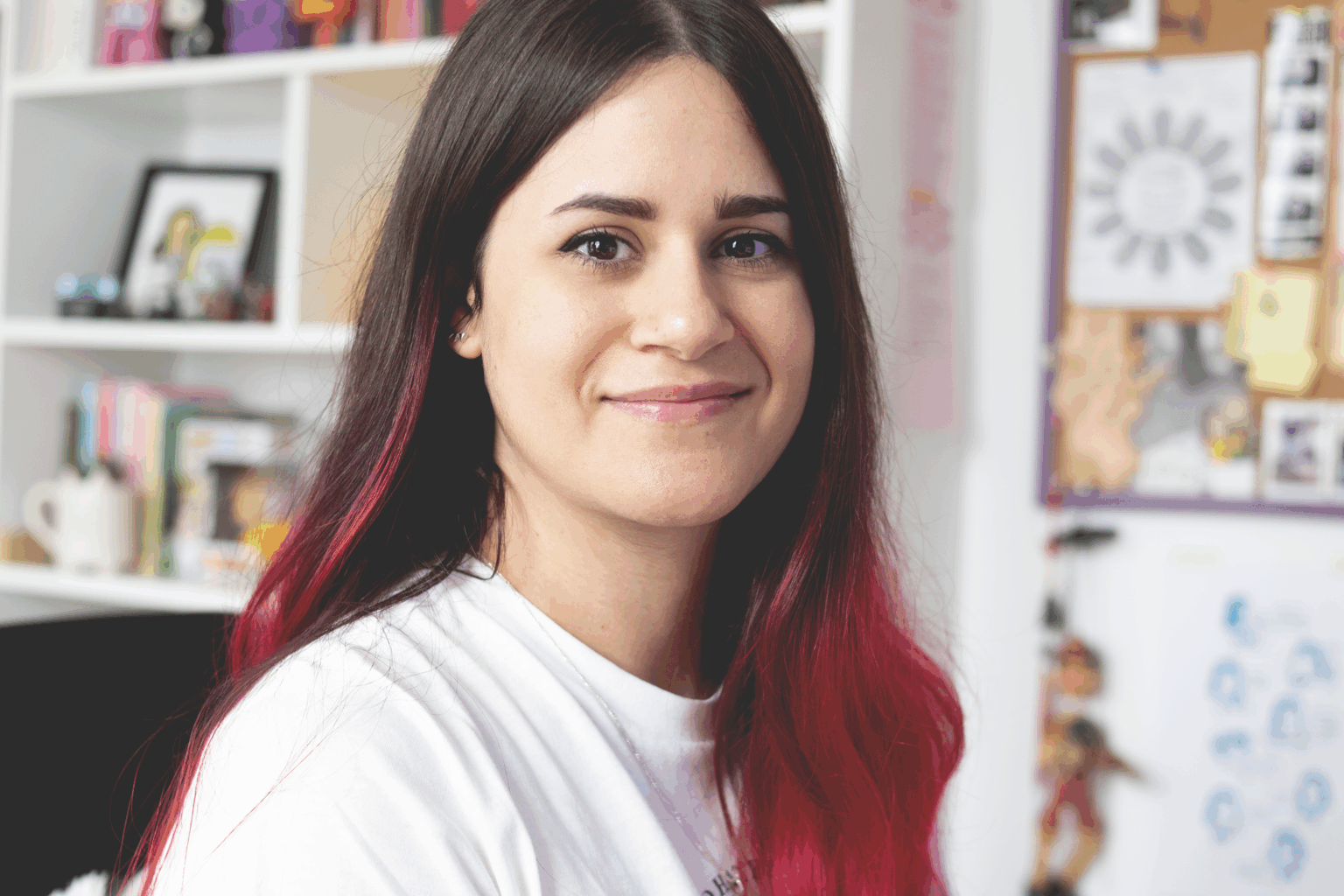
Canarian illustrator Cynthia Hierro, aka Limoneti, will work hand in hand with El Hematocrítico to create the visual identity of the graphic story.
The new and brand new member of the team of artists of the concomitance of Tenerife, Paediatric ICU, is the Canarian illustrator, Cynthia Hierro. She will work hand in hand with The Hematocritic, to illustrate the graphic story. With the help of a large team of professionals - the commissioners, the mediator Felipe G. Gil and Andrés Cabrera - the adventure of responding to the needs of support and emotional accompaniment for the children admitted to the Paediatric ICU of the HUNSC in Tenerife continues.
First, tell me about your professional and artistic career leading up to this collaboration.
I started in professional illustration a bit by chance. I started doing personal projects to get through the crisis of 2012, which caught me just when I finished my academic training in graphic design and photography, and little by little I gained confidence and some followers in networks, so I was encouraged to do private commissions such as portraits or wedding invitations. Later, I took the step of selling some products with a brand I created, but I always felt quite attracted by trying to tell stories through my drawings. So, over the years, I closed ‘Amarillo Limón’ to focus on children's illustration.
Before considering the possibility of presenting my work to a publishing house, I was lucky enough to be contacted for my first experience in the sector with Oberon in 2018 (Grupo Anaya). I have participated in projects such as ‘Dibujos por Sonrisas’ or ‘Que nadie se quede atrás’, by the Casa nostra collective. Currently, I am working on what I always wanted: Illustrating children's stories with Ediciones Garoé. Of course, I have never stopped combining these projects with my beloved private clients, those who help me so much to sustain me in this long-distance race. And now I'm joining the Concomitentes team, and I'm very happy about that.
How do you face this challenge of being part of the Concomitentes family? Did you know about the project?
With great enthusiasm, but also with a certain fear and responsibility. I didn't know about the project until they proposed it to me and, since then, I haven't stopped being amazed by its magnitude, not only with the graphic work in which I'm going to participate, but with everything Concomitentes is doing, its social work through art. It's amazing. I hope I can live up to it.
What would you highlight from the concomitance of the Paediatric ICU, what has struck you the most, especially from the group of participants?
Helping paediatric ICU patients to emotionally manage the situation they are about to face, without a doubt. I feel that more and more in our culture there is no room for emotions, and even less for negative emotions such as fear, anger or sadness. For me, managing what you feel, giving it a name, giving it value, is something that has become vital, and yet I have never been close to a situation as difficult as these patients'. I don't want to sound too dramatic or corny, but the existence of a project like this one is helping me to regain hope, because of the project itself and because of the group of people I am meeting, people who form a solid team, who reach out to make things easier for you, with great empathy.
Have you had the opportunity to meet them and exchange impressions that can enrich your artistic creation process?
I work with El Hematocrítico, Felipe G. Gil, the mediator, and Andrés Cabrera. All of them have been working on the project for a longer period of time and have shared their impressions and emotions with me, as well as those of the rest of the people who form part of the working group.
«They have provided me with a lot of photographic material about the spaces of the Paediatric ICU and artistic material to include in the aesthetic references. They have invited me to visit the facilities to see it up close but, for the moment, it hasn't been possible because my schedule is a bit tight, even so, their experiences and sensations have helped me a lot to feel close and to be able to start my work».»
How do you assess the project's proposal to include citizens in the creation of contemporary art?
Anything that brings art and culture closer to the people will be fine with me, I've always considered it an interesting way of communicating, of being able to grow, to learn and to help others. Art is a fantastic way to give a voice, to bring positions closer together and to leave a record of the context in which we live.
How do you see yourself being part of this project and how do you think you can contribute through your practice?
I see myself with my five senses activated, ready to learn a lot from all the members of the team, I like to listen before giving my opinion, but if at some point it is necessary, of course I will do it. I hope to be able to give visual life to what the team has in mind, that they feel comfortable with the result, I think I can adapt to their needs and contribute my own vision as an author.
Your task will be to illustrate the story told by El Hematocrítico. Have you started your contact with him? Have you established a common working method?
I have been in contact with him since the first day I was told about the project, since then we have met and we are in constant contact. Working with him has been very easy, he is clear about what he wants and gives me the space to express myself as an illustrator. I'm still in a cloud of disbelief, «I'm working with El Hematocrítico? Really?», what a luxury.
Are you used to collective work or is this the first time you face this challenge?
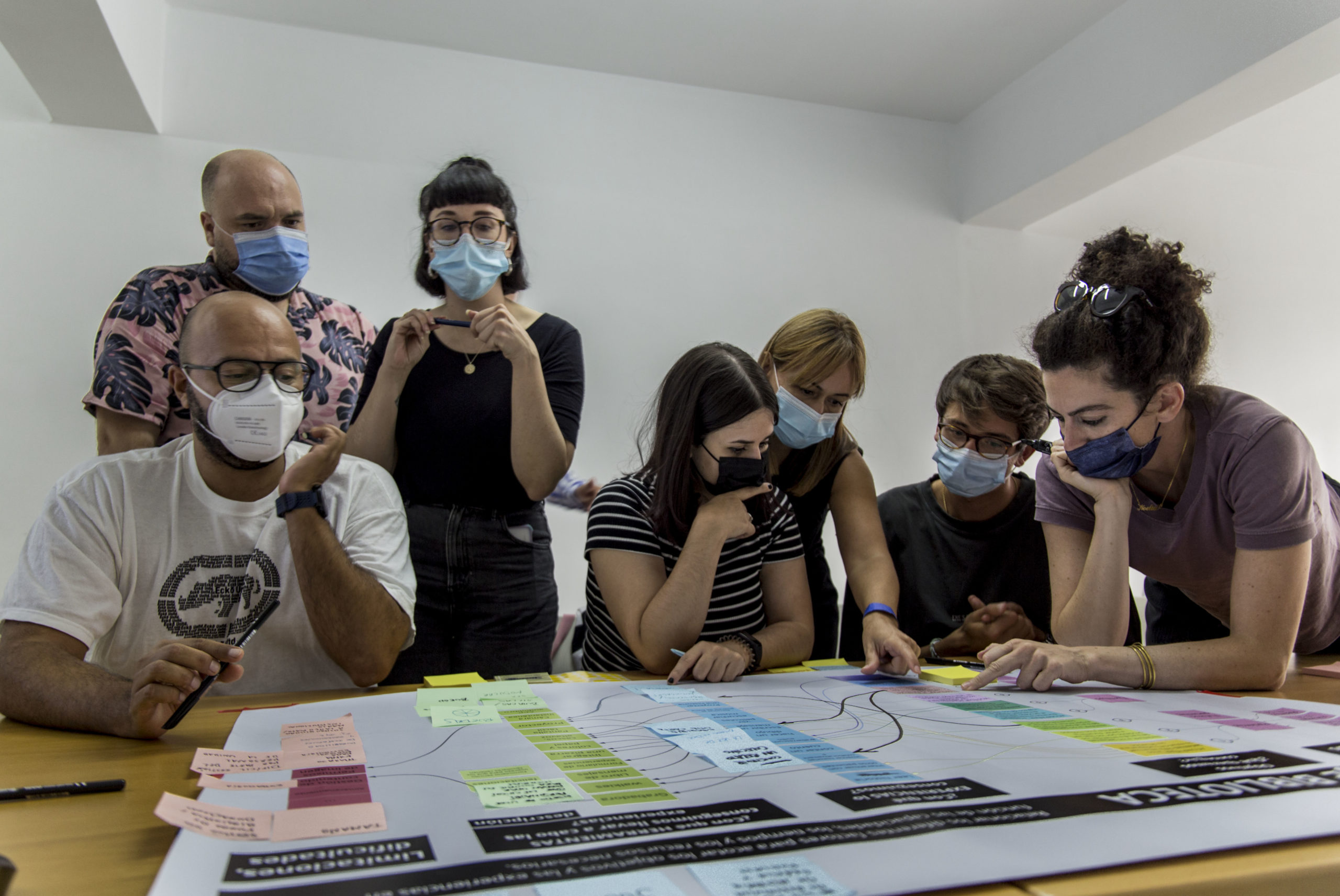
In general, I really like working in a team when it is made up of professionals, good people and communication flows. It is something I enjoy very much, although it is true that I have never had the opportunity to tackle a project together with so many people, but it is not something that worries me too much. I have felt very welcome and the atmosphere is friendly and very professional.
Have you already started the creative work? What will inspire you to get to work?
We have already started with the design of the main characters of the work and we have some clear aesthetic characteristics. We have Albert Monteys, Beatriz Tormo, Juanjo Jiménez and Lourdes Navarro, among others, as references.
In this case, the story is dedicated to a children's audience. What do you think is essential when addressing this type of audience, especially if they are children admitted to an ICU?
I would like the sense of humour to be present, I know it will be. I think it is a wonderful tool to manage difficult situations, to connect with others. Children want to play and have fun, to dream and fantasise, these are other very interesting characteristics to take into account. For me the children's audience is very demanding, sincere and intelligent, I hope we can be up to the task and even more so given their circumstances.