

This is what the Jornadas Enredadas were like. Deciding the sea
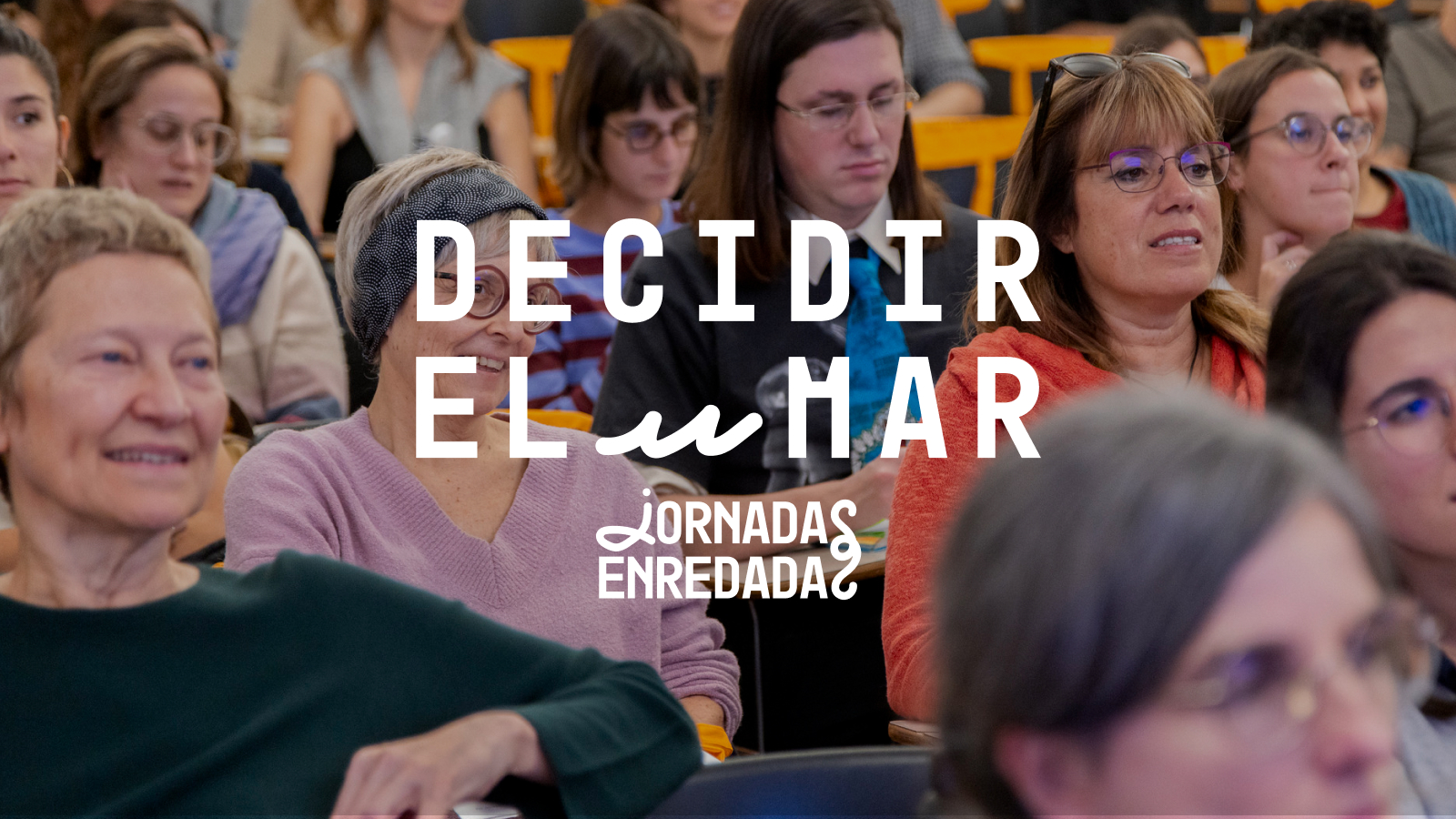 Photograph by Eva Carasol
 Rights of the sea, artistic methodologies and the need to imagine new forms of ecological coexistence.
On 7 November, the CCCB hosted the first edition of the Entangled Journeys, a meeting organised by Concomitentes with the momentum Daniel and Nina Carasso Foundation (FDNC) to think collectively about how we relate to nature and how we expand our capacity to make decisions about what affects us. Under the central question “who decides the sea?”, This year's conference brought to the table voices, ideas and methodologies for reimagining our partnerships and rebalancing our relationship with the sea.
An opening for entanglement
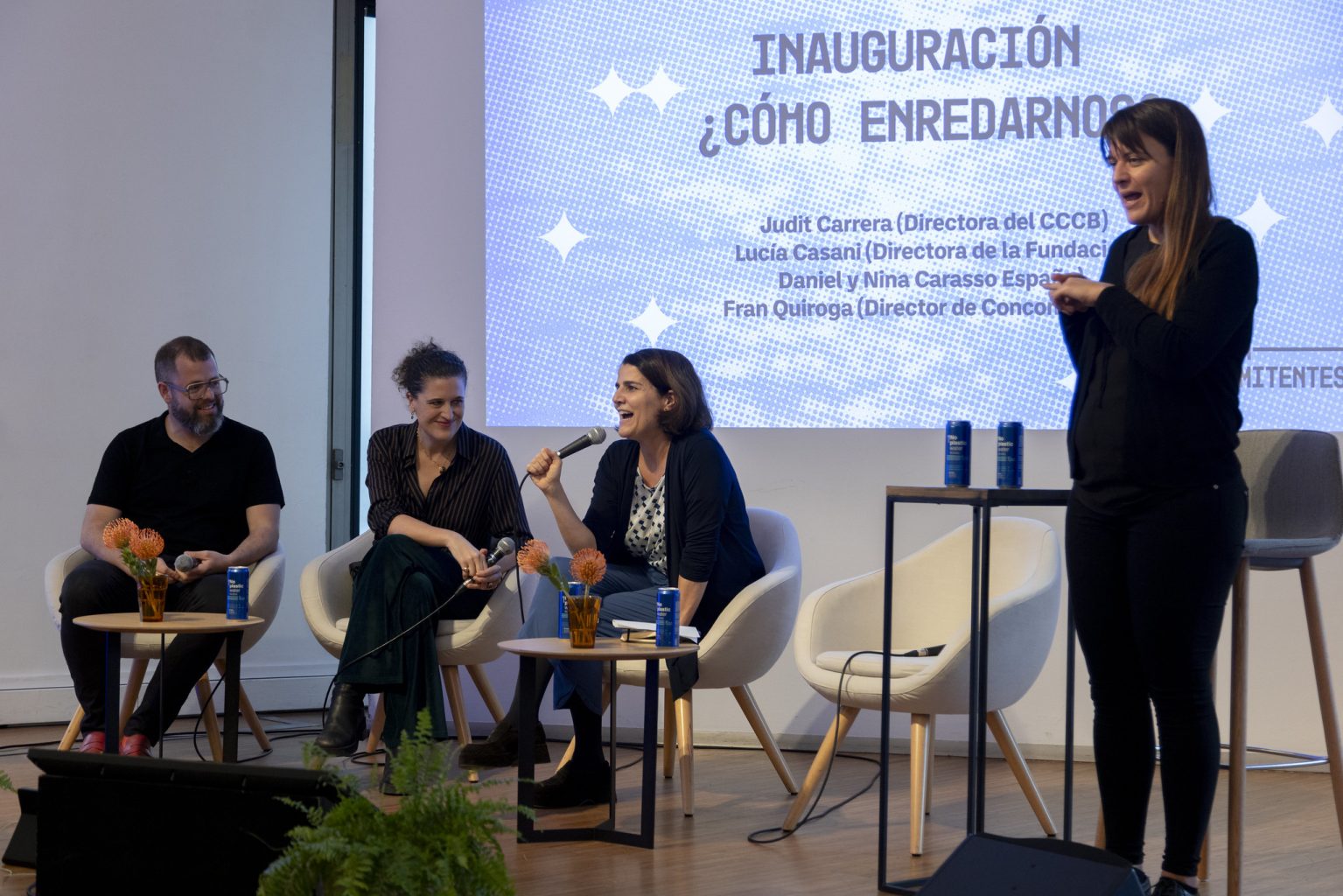
The conference started with an inaugural session in which Judit Carrera (CCCB) welcomed the participants by situating the CCCB as a space for critical thinking; Lucia Casani (Daniel and Nina Carasso Foundation) explained the main lines of work of the foundation and its collaboration with Concomitentes and Fran Quiroga spoke about the way Concomitentes works from participatory art projects that function as authentic “entanglements” between citizens, artists, institutions and mediators.
Fran recovered the image of the “entangled lives” by Merlin Sheldrake to remind us that no form of life exists in isolation. It was from this idea that these conferences were conceived, designed to be repeated every year in different territories, always with the aim of creating new interdependencies. He then launched the first major question of the day: who decides what we care about? And, in connection with this year's theme -Deciding the Sea- introduced the issue of granting rights to the sea, a debate that marked the first roundtable.
Rights of the Sea: from the Mar Menor to the Mediterranean Sea
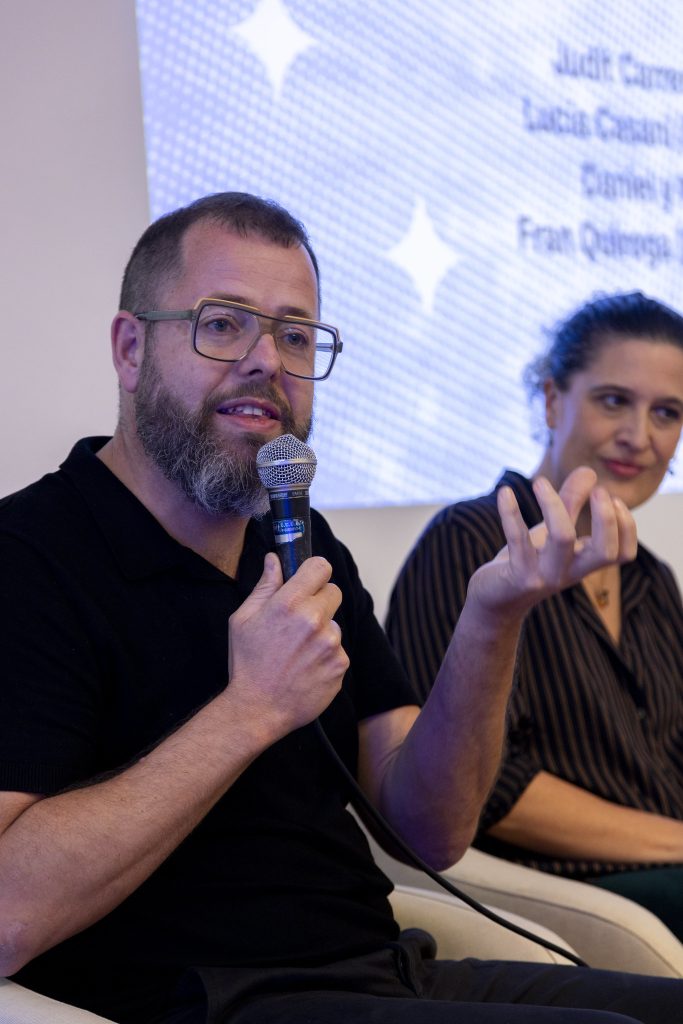
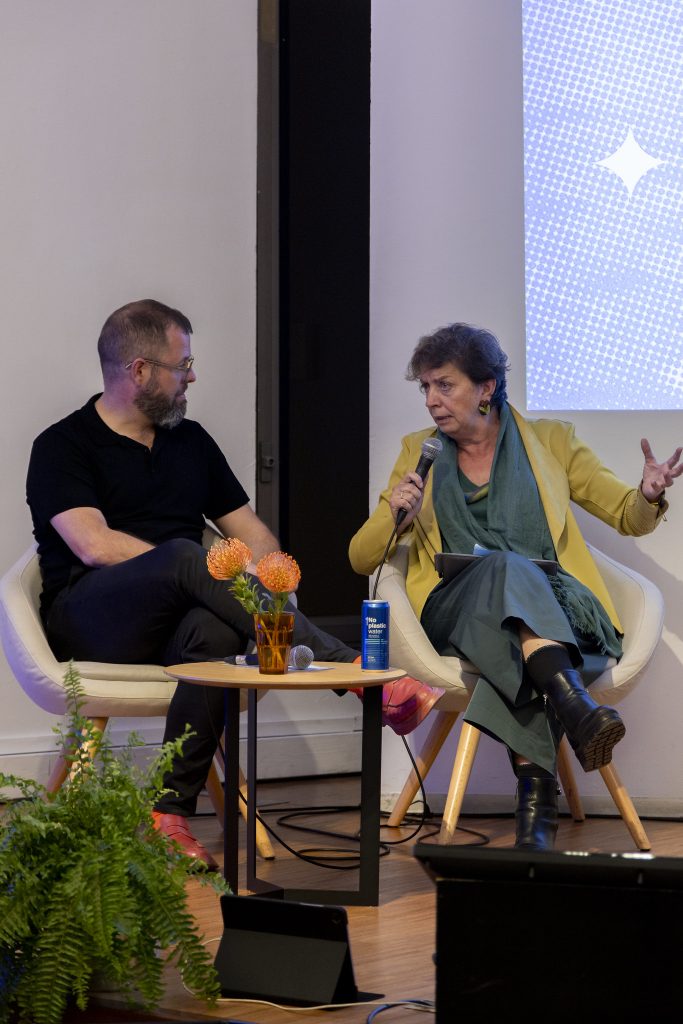
The first panel, moderated by Fran Quiroga, brought together Teresa Vicente, Isabel Pont Castejón y Juan Manuel Zaragoza, who discussed how law, philosophy and citizenship can redefine our relationship with the sea.
Teresa Vicente contextualised the Mar Menor Law, The Mar Menor and its basin were recognised as a legal entity, the first law in Spain to recognise a body of water as a subject of rights. Vicente explained the power of this change: to stop seeing the sea as an object to be protected and to understand it as a living entity with which we coexist.
Juan Manuel Zaragoza explored in depth how, from a philosophical perspective, we can decide how we want to relate to nature, reminding us that it is not just a matter of legislating, but of imagining new relational ethics.
Isabel Pont reflected on the tensions between administrative and environmental law, and whether it is possible to naturalise law to better dialogue with ecosystems.
Finally, Teresa Vicente and Isabel Pont talked about the exciting possibility of moving forward, starting from the case of the Mar Menor, towards a declaration on the rights of the Mediterranean Sea, The challenge is one of multiple jurisdictions and geo-political complexities.



Eco-social parliaments: methodologies to repair
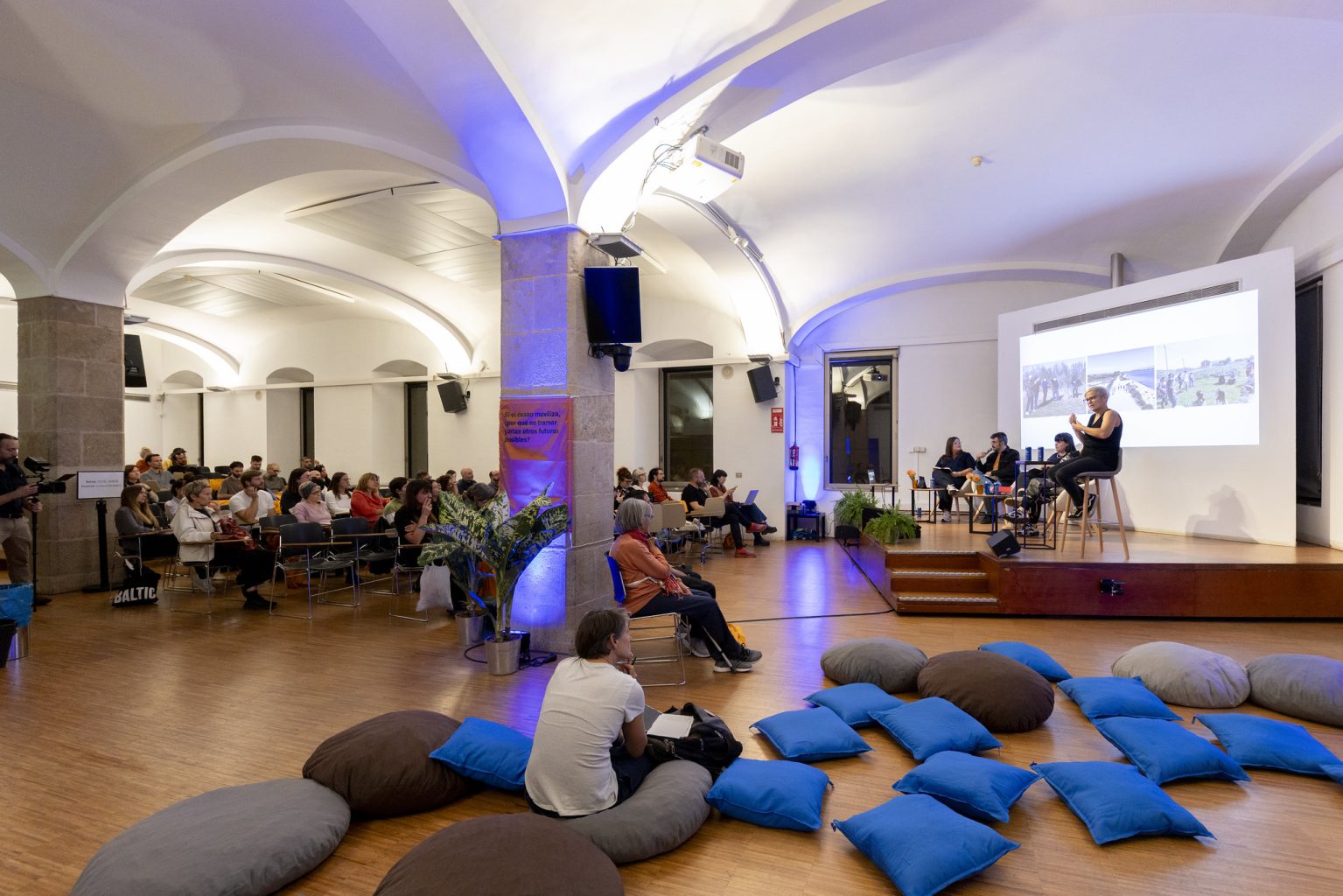
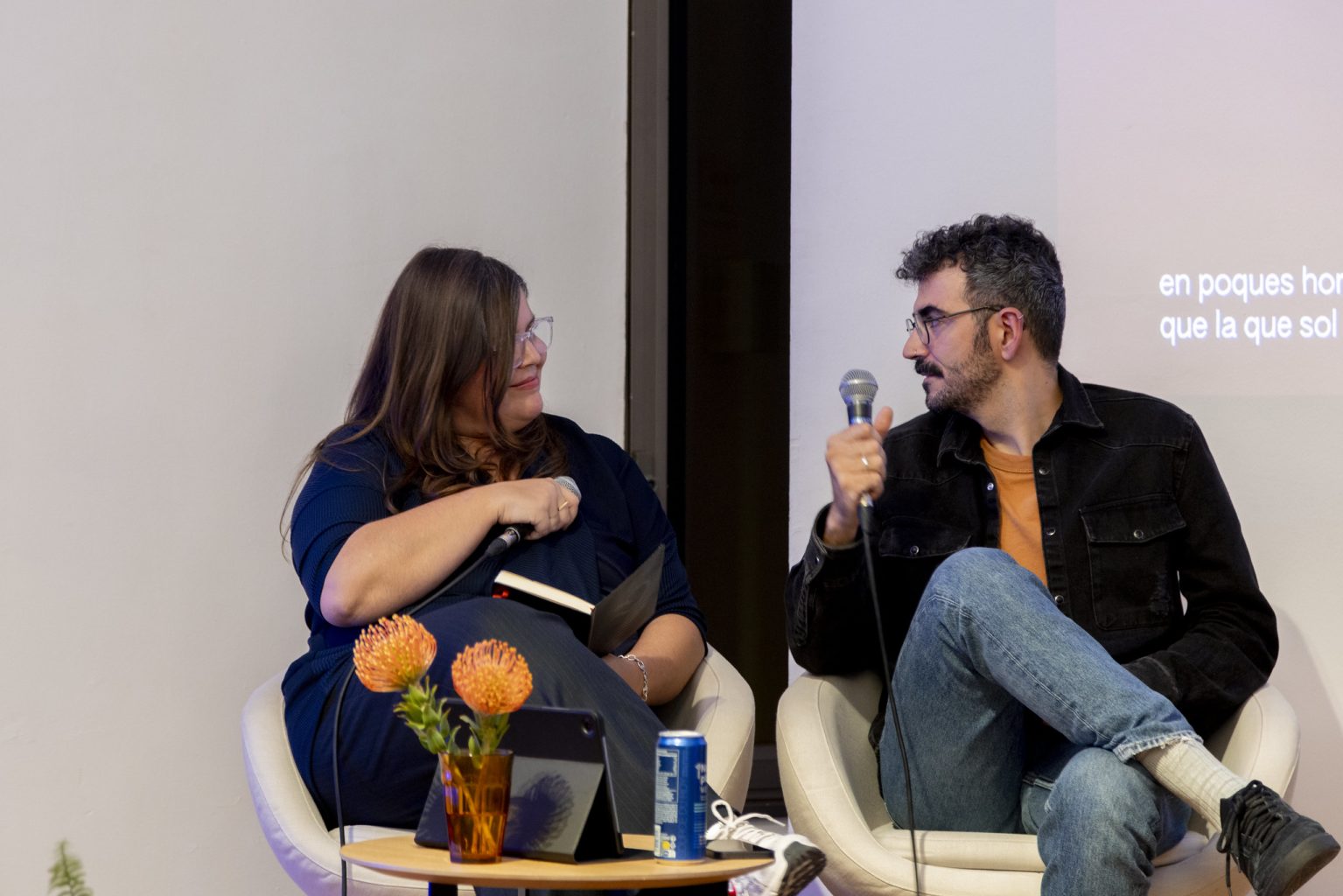
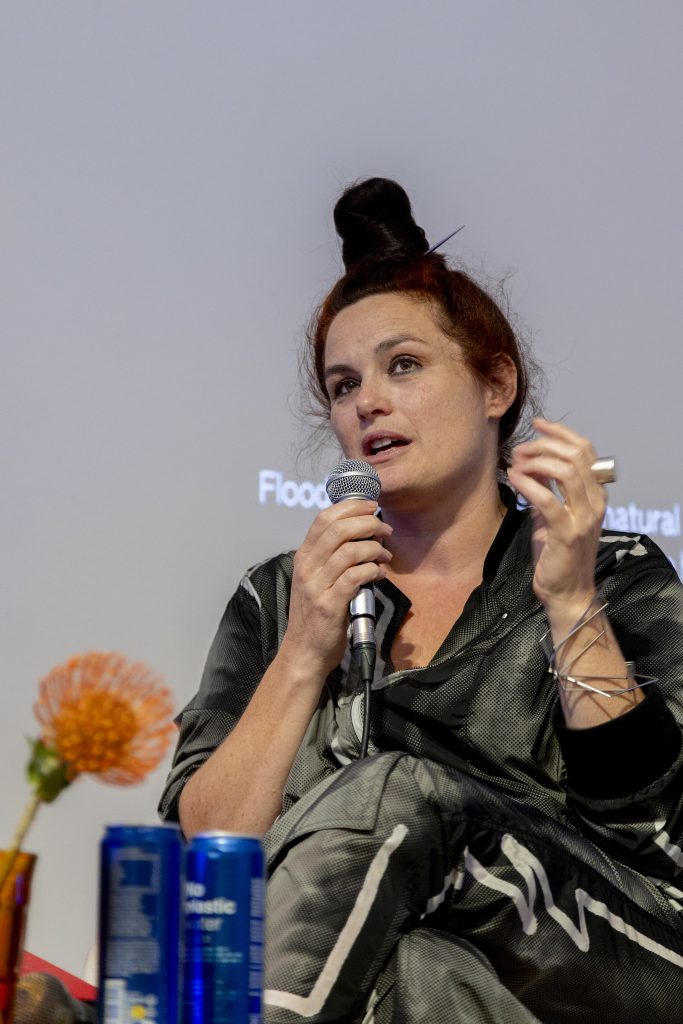
The second panel, moderated by Veronica Valentini, had Christian Alonso, Anna Moreno y Eva Franch i Gilabert. After a brief introduction, each guest presented their methodologies and projects linked to water bodies.
In the first round of questions, they reflected on how art can expand spaces for decision-making and contribute to new forms of ecological governance. They agreed that cultural practices can open up places where humans and non-humans dialogue, where alliances diversify and where more sensitive and permeable institutionalities emerge.
In the second round, they explored how their methodologies are transformed when territories or communities change. They all shared a dimension of reparation in their practices: reparation as listening, as care, as a way of rebuilding damaged links with the territories and the people who inhabit them.

Performative action by Ferran Lega
To end the session, we enjoyed a performative action by Ferran Lega in which we listened to sound activation of river plants. We sat on the floor, touched the plants and listened to how they reacted to our energy.
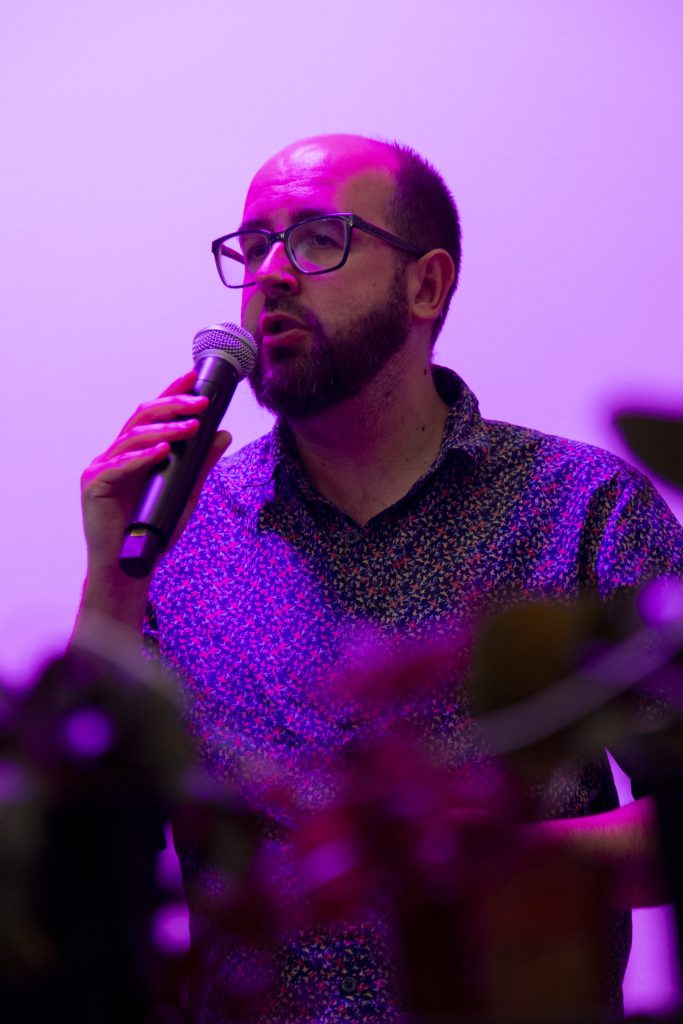
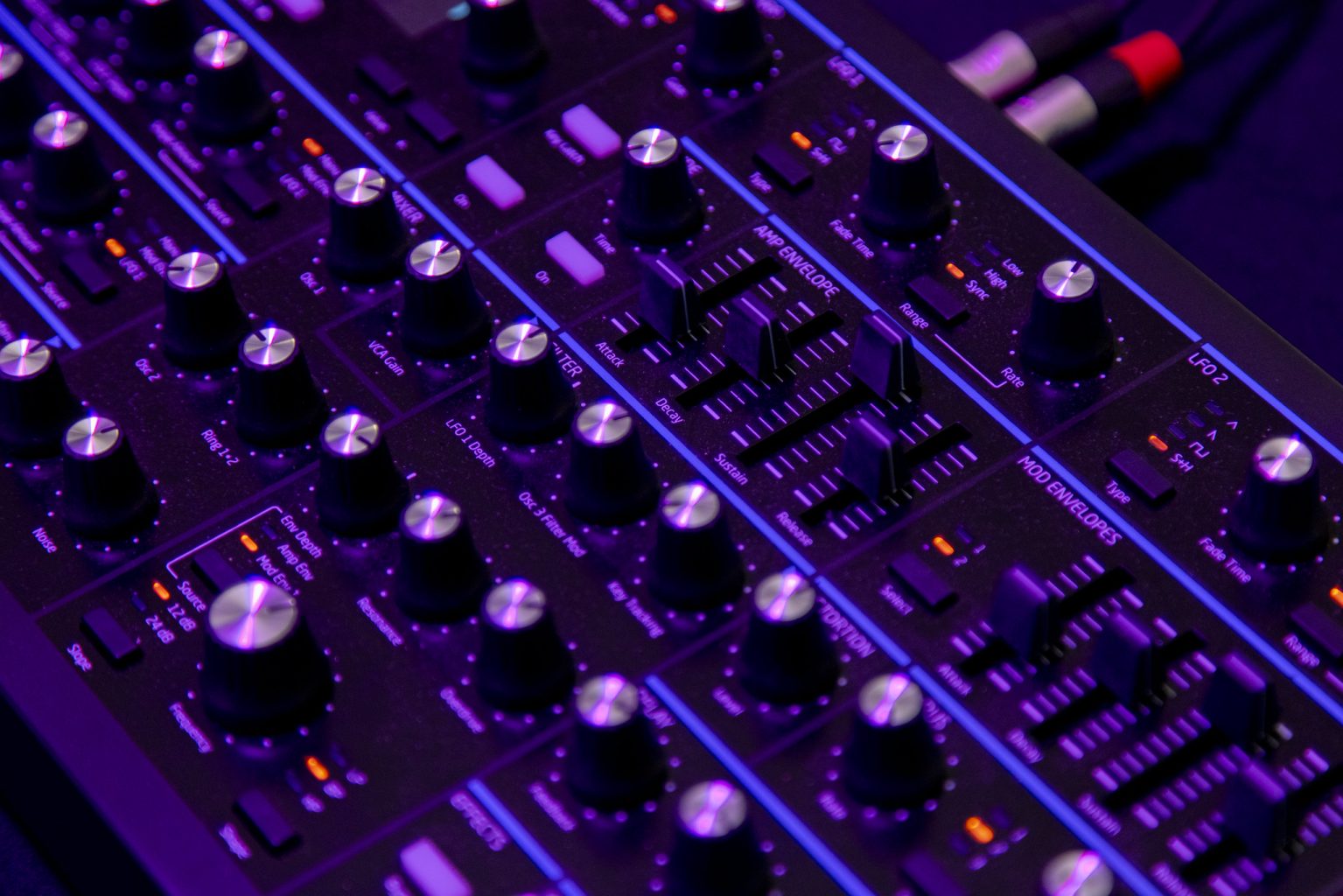
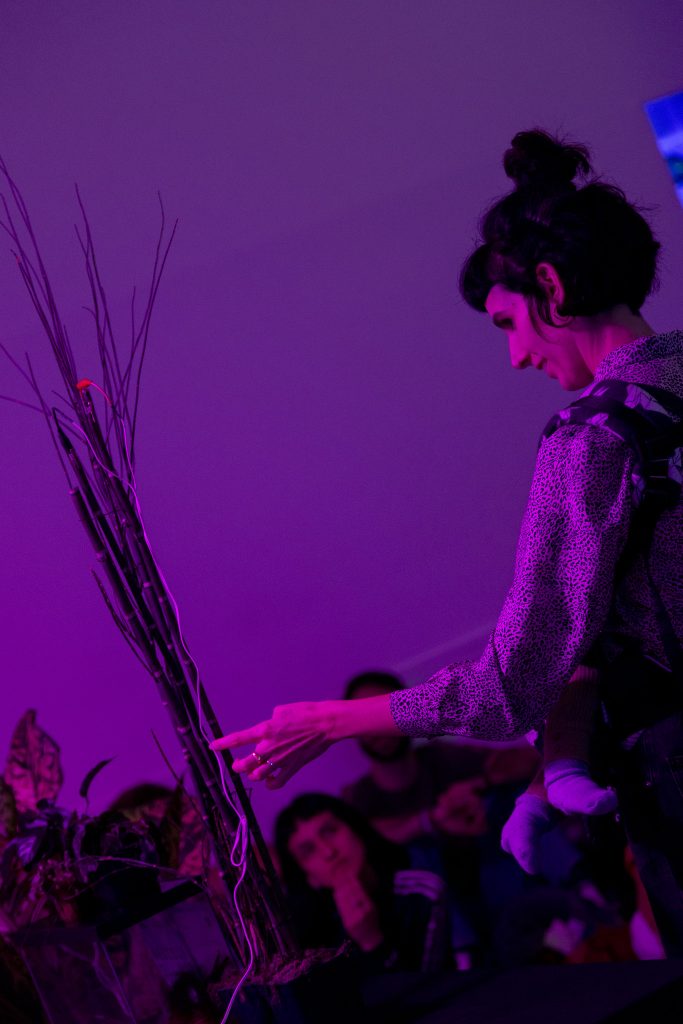
Photo credits: Eva Carasol.